

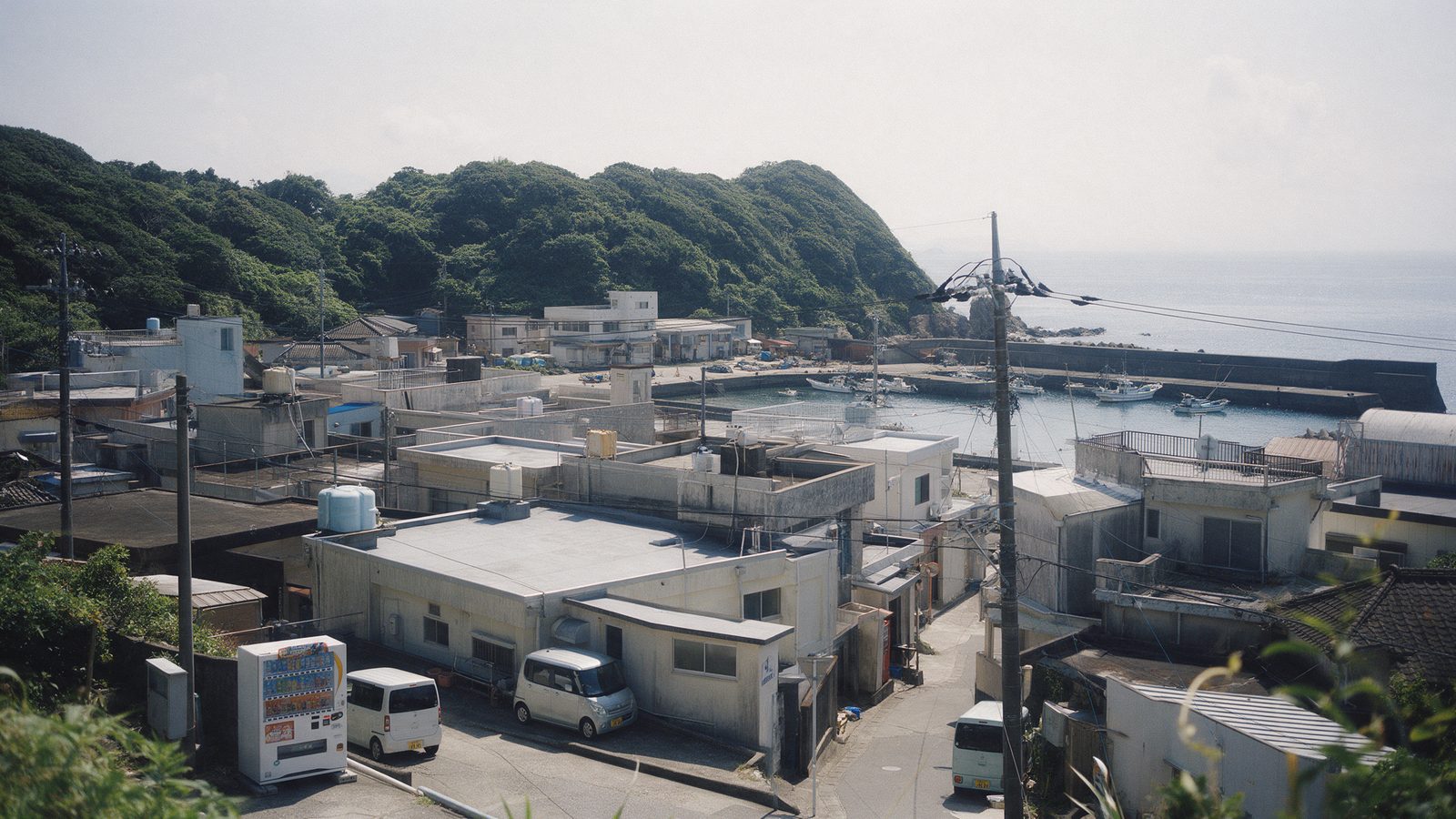
Japan is an archipelago of well over six thousand islands, several hundred of them inhabited, and the tourism conversation covers roughly four of them. For agents with clients who have already done the Golden Route — and increasingly for those who simply want somewhere that is not crowded — the islands are the strongest remaining card in the deck. They are also the component where access, not interest, decides everything.
Okinawa is covered separately in our Okinawa beach and diving guide. This is everything else.
Yakushima — the ancient forest
A near-circular granite island south of Kyushu, mountainous, and one of the wettest places in Japan. It holds cedar forest that includes trees over a thousand years old, some claimed to be far older, and it is a UNESCO World Heritage site.
- Access: ferry or short flight from Kagoshima. Straightforward.
- The draw: the Shiratani Unsuikyo ravine and the trek to Jōmon Sugi, the island's oldest cedar. The moss forest is genuinely otherworldly and famously inspired Japanese animation.
- The catch: the Jōmon Sugi hike is a serious ten-hour day, not a walk. Rain is close to constant, and there is a shuttle-bus system in high season that must be planned around.
- Sells to: active clients, photographers, and anyone who responds to the words "ancient forest".
Amami Ōshima — subtropical, and quieter than Okinawa
Between Kyushu and Okinawa, subtropical, with mangroves, reefs and a distinct island culture including its own dialect, its own shima-uta folk music, and its own black-sugar shōchū. Also UNESCO listed, for the forest and endemic wildlife.
- Access: flights from Kagoshima, Tokyo and Osaka.
- The draw: empty beaches, mangrove kayaking, good diving, and almost none of the development that shapes Okinawa's main island.
- Sells to: clients who want Okinawa's climate without Okinawa's resorts.
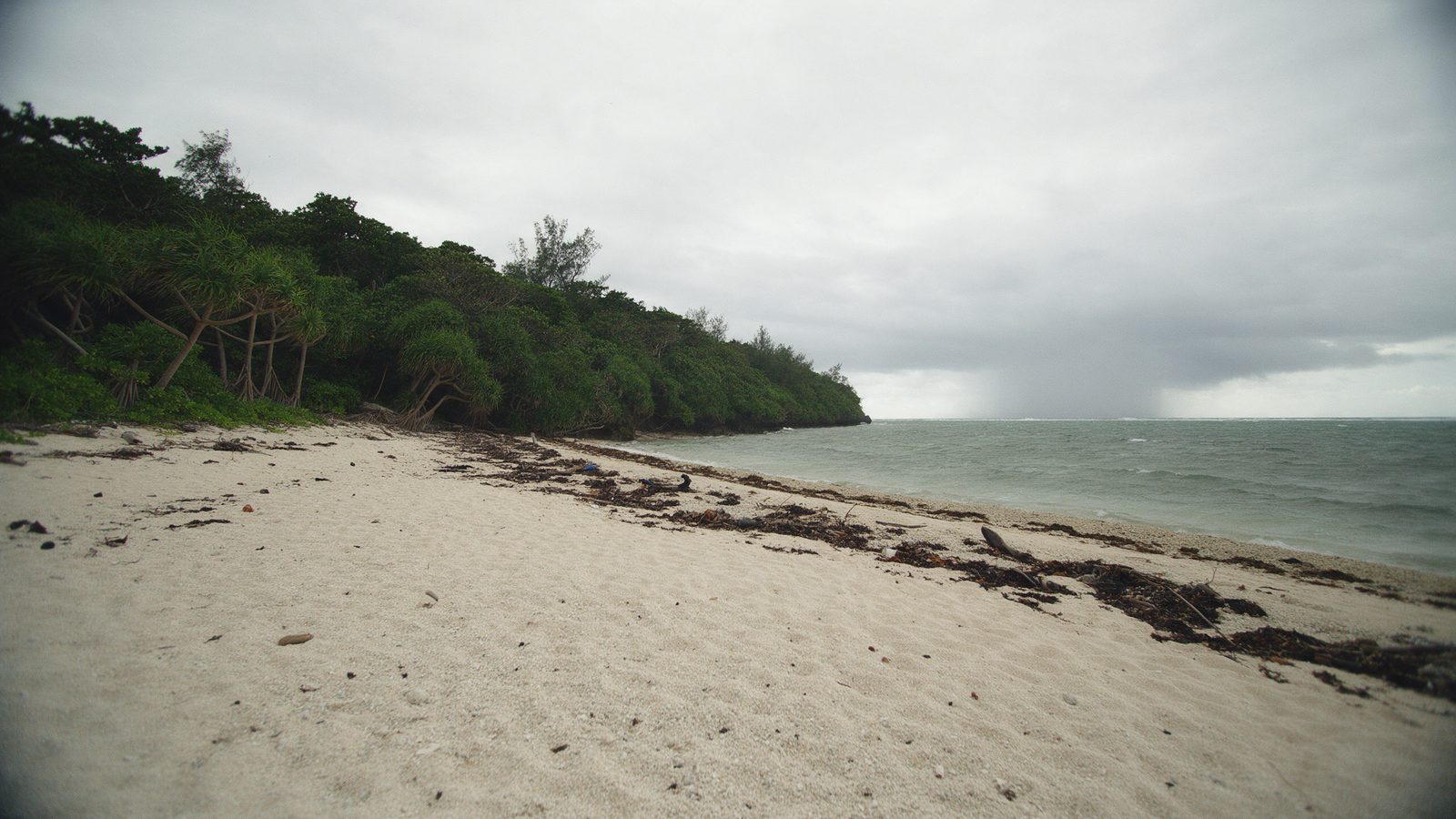
Sado — exile island, gold mine, and the drummers
In the Sea of Japan off Niigata. Historically a place of political exile, which gave it an unusually refined court-derived culture for a rural island, plus a gold mine that ran for four centuries.
- Access: ferry from Niigata, about an hour by jetfoil or two and a half by car ferry. Reachable from Tokyo in a morning by shinkansen and boat.
- The draw: the gold mine, Noh theatre in village settings, the tarai-bune tub boats, and Kodo — the internationally known taiko drumming ensemble that is based on the island and holds an annual festival.
- Sells to: cultural travellers and repeat visitors. Pairs well with a Tohoku or Sea of Japan routing.
The Oki Islands — geology and isolation
North of Shimane, a UNESCO Global Geopark of sea cliffs, volcanic caldera coastline and horse and cattle grazed on clifftops.
- Access: ferry or short flight from Shimane. This is the hardest of the four to reach casually.
- The draw: dramatic coastal scenery with almost no other visitors, plus a history of imperial exile.
- Sells to: clients on a Chugoku region itinerary who want something genuinely remote.
Ogasawara — the serious commitment
A thousand kilometres south of Tokyo, UNESCO listed, sometimes called the Galápagos of the Orient for its endemic species. Whales, dolphins, and species found nowhere else.
- Access: a single ferry from Tokyo, taking around 24 hours, running roughly weekly. There is no airport.
- The consequence: the minimum realistic trip is about six days, because you sail out, wait for the ship, and sail back. It cannot be inserted into a two-week Japan itinerary.
- Sells to: naturalists, divers and clients who specifically want this. Never propose it casually.

The access rules that govern everything
- Ferries are weather-dependent and cancel. Build a buffer day before any international departure. This is not a precaution, it is a routine occurrence.
- Schedules thin dramatically off-season, and some routes reduce to a few sailings a week in winter.
- Island accommodation is small. Family-run minshuku and small inns, not hotels. A group of twenty may need three properties.
- Vehicles matter. Public transport on most of these islands is minimal; a driver or self-drive is usually necessary. See our self-drive guide.
- English is limited to absent. A guide is not a luxury here.
- Cash. Card acceptance on small islands remains patchy.
How a Japan DMC handles it
Island programmes are where a local operator earns the fee outright. We hold relationships with the small properties that do not appear on international platforms, book ferries against the current season's schedule rather than last year's, build the buffer days that make a cancelled sailing survivable, and staff guides who can work in places where nobody else will be speaking English. We will also tell an agent when an island does not fit — Ogasawara inside a ten-day Japan trip is not a stretch, it is impossible, and knowing that before it reaches the client is the point.
FAQ
Which Japanese islands are worth visiting besides Okinawa? Yakushima for ancient cedar forest and hiking, Amami Ōshima for subtropical beaches and mangroves with far less development than Okinawa, Sado for culture, the gold mine and taiko drumming, the Oki Islands for dramatic geology and isolation, and the Ogasawara Islands for endemic wildlife and whale watching. Each has very different access.
How do you get to Yakushima? By ferry or short flight from Kagoshima in southern Kyushu. It is one of the easier islands to reach. Note that the island is extremely wet, and the signature hike to the Jōmon Sugi cedar is a full ten-hour day rather than a casual walk.
How long does it take to reach the Ogasawara Islands? About 24 hours each way by ferry from Tokyo, on a service running roughly weekly. There is no airport. That makes six days the realistic minimum for a visit, so it cannot be slotted into a standard two-week Japan itinerary.
What should agents watch for when booking Japanese islands? Ferry cancellations in bad weather — always build a buffer day before any onward international flight. Also expect small, family-run accommodation rather than hotels, minimal public transport, limited English, patchy card acceptance, and much reduced off-season schedules.
Want to build an island leg that survives a cancelled ferry? Write to b2b@explera.jp, message the trade desk on WhatsApp at +66 93 656 8090, or register on the B2B portal. Proposals within 24 hours. IATA 96215733, ASTA member 900408341.


