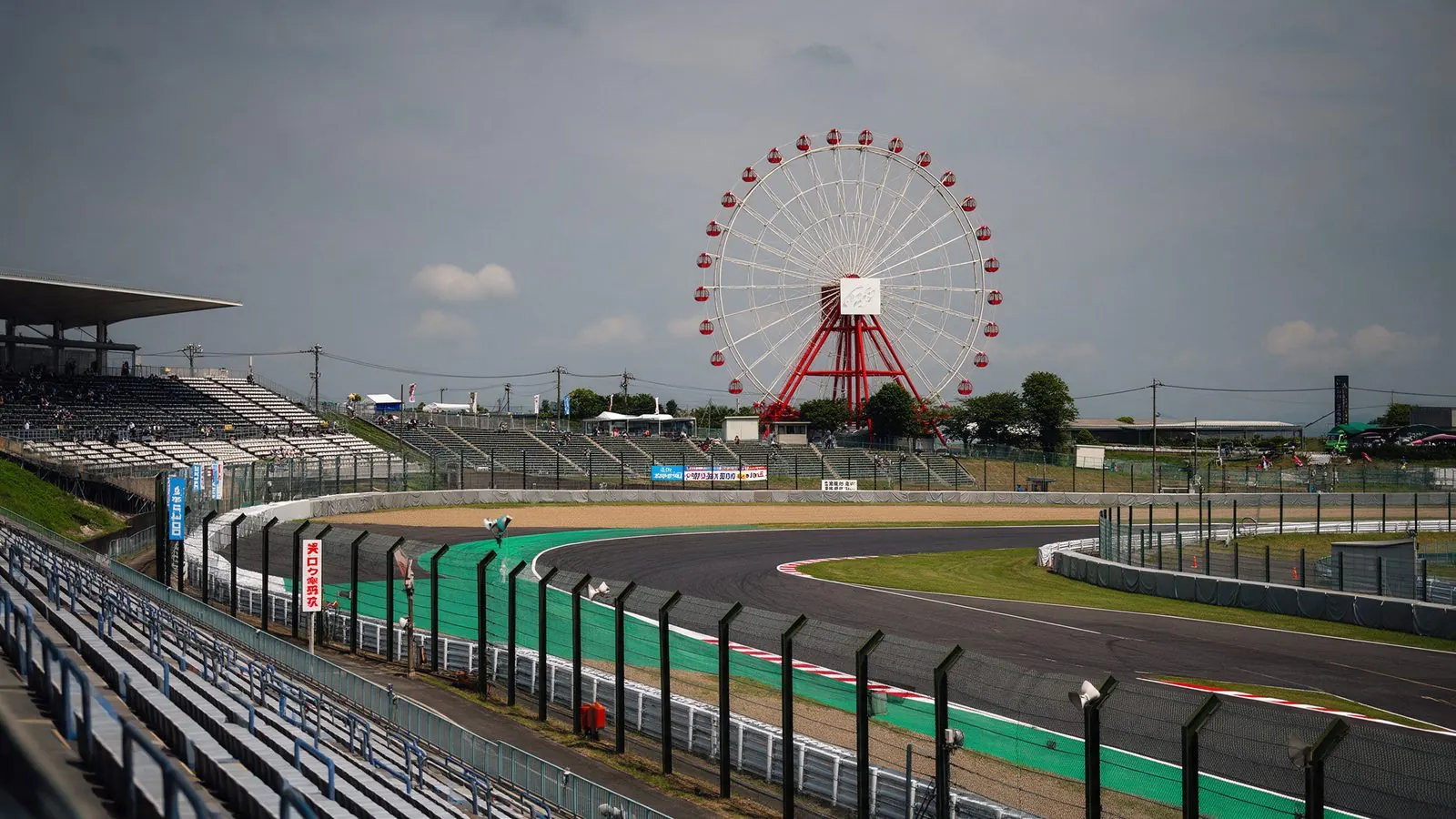


The 2026 Formula 1 Japanese Grand Prix ran at Suzuka on 27–29 March 2026, the third round of the season — and it delivered a result worth selling on its own: Kimi Antonelli took pole position, the fastest lap and the win, with Oscar Piastri second and Charles Leclerc third. For agents, the more useful story is operational. A Suzuka race weekend is one of the most compressed demand events on the Japanese calendar, and the clients who enjoyed it most were the ones whose ground arrangements were settled months before the cars ran.
The venue, briefly
Suzuka Circuit sits in Suzuka City, Mie Prefecture, and has hosted Formula 1 since 1987. Operated by Honda's circuit company, it is the only figure-of-eight layout in the sport, and drivers consistently rank it among the great circuits — the Esses, Spoon Curve and 130R carry real weight with fans. The site is more than a track: there is an amusement park and an on-site hotel, which matters when you are placing families around a race weekend.
Access runs through Nagoya. Chubu Centrair (NGO) is the natural gateway airport, and the Kintetsu line reaches the circuit area in under an hour from Nagoya, with a short shuttle or taxi for the final leg. Osaka and Kyoto are close enough that a race weekend bolts onto a Golden Route itinerary without strain.

What 2026 confirmed for the trade
- The spring date doubles the compression. Since the race moved from autumn to spring, the Grand Prix lands in cherry-blossom season — the single busiest window in the Japanese travel calendar. Hotels that would be tight for the race alone are tight twice over.
- Nagoya sells out first, then the ring around it. Suzuka City's own stock is small. Nagoya absorbs most visiting fans; Yokkaichi, Tsu and Kuwana take the overflow; and plenty of clients happily base in Osaka and travel in.
- Tickets and hospitality are a long-lead item. Grandstand seats and premium hospitality for the popular corners move on release, months ahead. The 2026 support programme — Porsche Carrera Cup Japan and Ferrari Challenge Japan — kept the track busy across all three days, which is why the full weekend, not just Sunday, is worth selling.
- The crowd is international. Japanese motorsport fandom is deep and knowledgeable, and inbound fans now arrive from every source market — which is exactly why the race belongs in a DMC's sports-tourism portfolio.
Near the circuit: the Japan around the race
Mie Prefecture rewards the extra day. Ise Jingu, Japan's most venerated shrine complex, is within easy reach and pairs a loud weekend with a genuinely quiet one — the full case is in our Ise-Shima guide. The Toba and Shima coast adds pearl culture and seafood; Nagoya itself carries the castle, the Toyota museums and one of Japan's most underrated food cultures, covered in our Nagoya and Central Japan guide; and Kyoto and Osaka sit close enough for the classic extension in either direction.

How a Japan DMC operates a race weekend
We treat the Grand Prix as an event programme, not a hotel booking: accommodation blocked in Nagoya or Osaka well ahead of the demand spike, transfers built around the circuit's shuttle pattern rather than against it, tickets and hospitality sourced through official channels at release, and the surrounding days filled with Ise, Nagoya or the Golden Route so the trip reads as a Japan holiday with a race at its centre. Net rates in 14 currencies, groups of 2 to 200, proposals within 24 hours.
FAQ
Where is the Japanese Grand Prix held? At Suzuka Circuit in Suzuka City, Mie Prefecture — a Formula 1 venue since 1987 and the calendar's only figure-of-eight layout. The practical gateway is Nagoya, with Chubu Centrair the natural arrival airport.
When was the 2026 Japanese Grand Prix? The 2026 race ran on 27–29 March as round three of the season. Kimi Antonelli won from pole position with the fastest lap, ahead of Oscar Piastri and Charles Leclerc.
Where should clients stay for a Suzuka race weekend? Nagoya is the main base and sells out first, with Yokkaichi, Tsu and Kuwana taking overflow; Osaka works well for clients combining the race with Kansai. Book months ahead — the spring date overlaps cherry-blossom season.
Is the Japanese Grand Prix worth building a full itinerary around? Yes. The circuit sits within reach of Ise Jingu, Nagoya and the Kyoto–Osaka corridor, so three race days extend naturally into a one- or two-week Japan programme — both of our Suzuka itineraries are built that way.
Want the next Suzuka weekend blocked before the demand spike? Write to b2b@explera.jp, message the trade desk on WhatsApp at +66 93 656 8090, or register on the B2B portal. Proposals within 24 hours. IATA 96215733, ASTA member 900408341.