

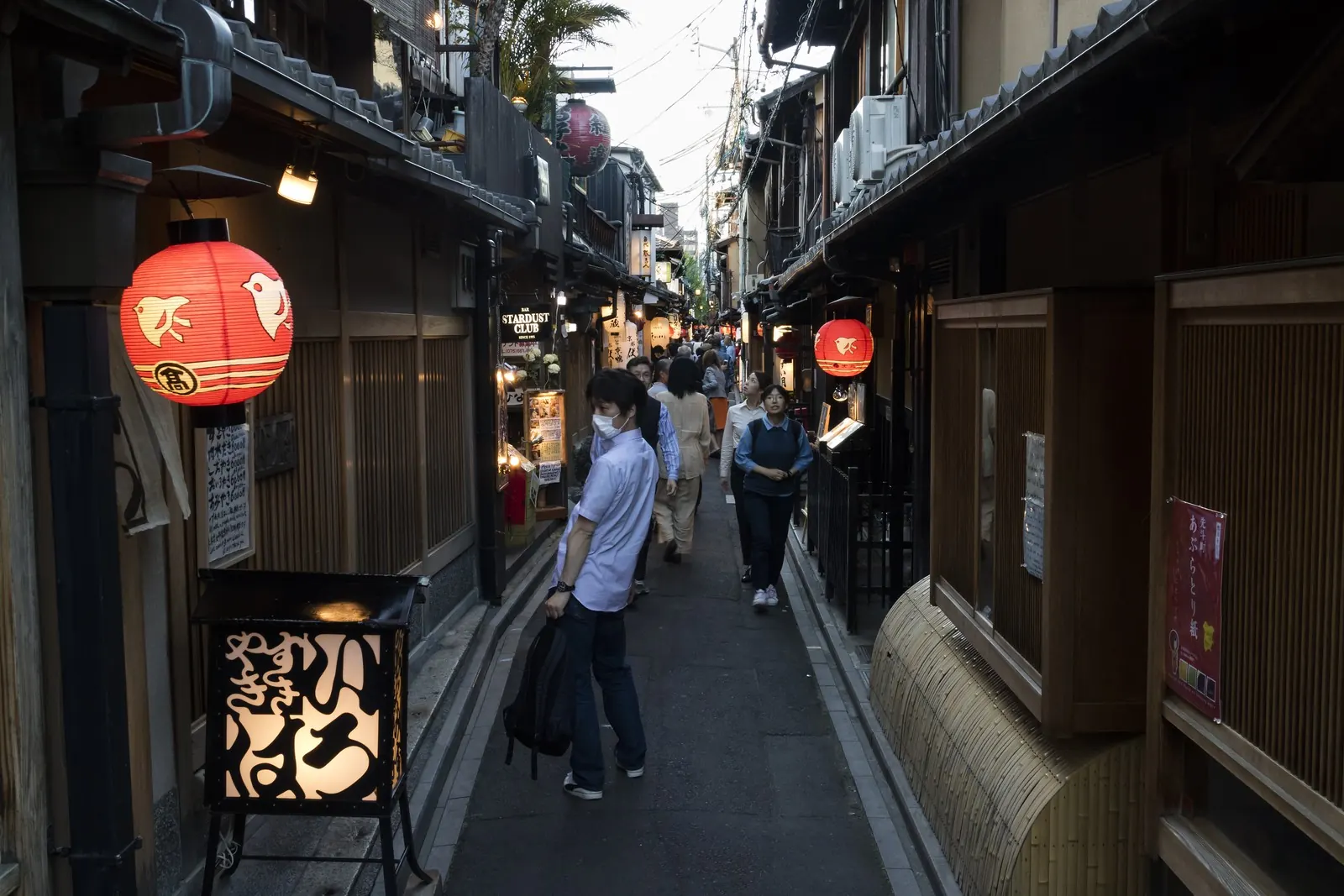
Kyoto's food is gentler than Osaka's or Tokyo's. The city was the imperial capital for more than a thousand years and is home to hundreds of temples, so its cooking leans on tofu, vegetables, delicate broths and tea. The dishes to look for are yudofu, kaiseki, obanzai home cooking, Buddhist temple food and anything made with matcha.
Dishes to try
- Yudofu — soft tofu simmered in a light kelp broth and dipped in sauce. Restaurants near Nanzen-ji and in Arashiyama have served it for generations, and it is best on a cold day.
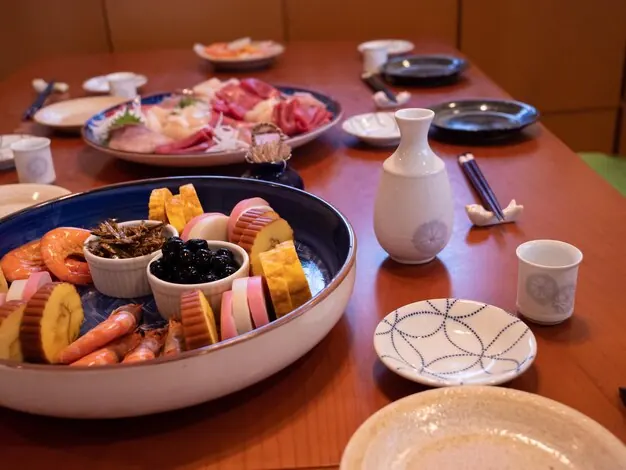
- Kaiseki — a formal meal of many small seasonal courses, each one arranged with care. It is expensive, but a kaiseki lunch costs much less than dinner.
- Obanzai — everyday Kyoto home cooking: simmered vegetables, beans and fish, served as small dishes. Many small restaurants offer an obanzai set.
- Shojin ryori — Buddhist temple food, made without meat or fish. Several temples serve it to visitors, and it suits vegetarian travellers.
- Yuba — the delicate skin that forms on heated soy milk, served fresh, dried or in soups.
- Saba-zushi — pressed mackerel sushi, a Kyoto speciality from the days when fish came over the mountains salted.
Matcha and sweets
Uji, just south of Kyoto, is one of Japan's most famous tea areas, and matcha appears everywhere: in drinks, soft-serve ice cream, cakes and parfaits. Look for wagashi, the small traditional sweets served with tea, and yatsuhashi, a cinnamon-flavoured rice-flour sweet that is Kyoto's best-known souvenir. A tea ceremony in Kyoto is the classic way to taste matcha properly.

Where to eat
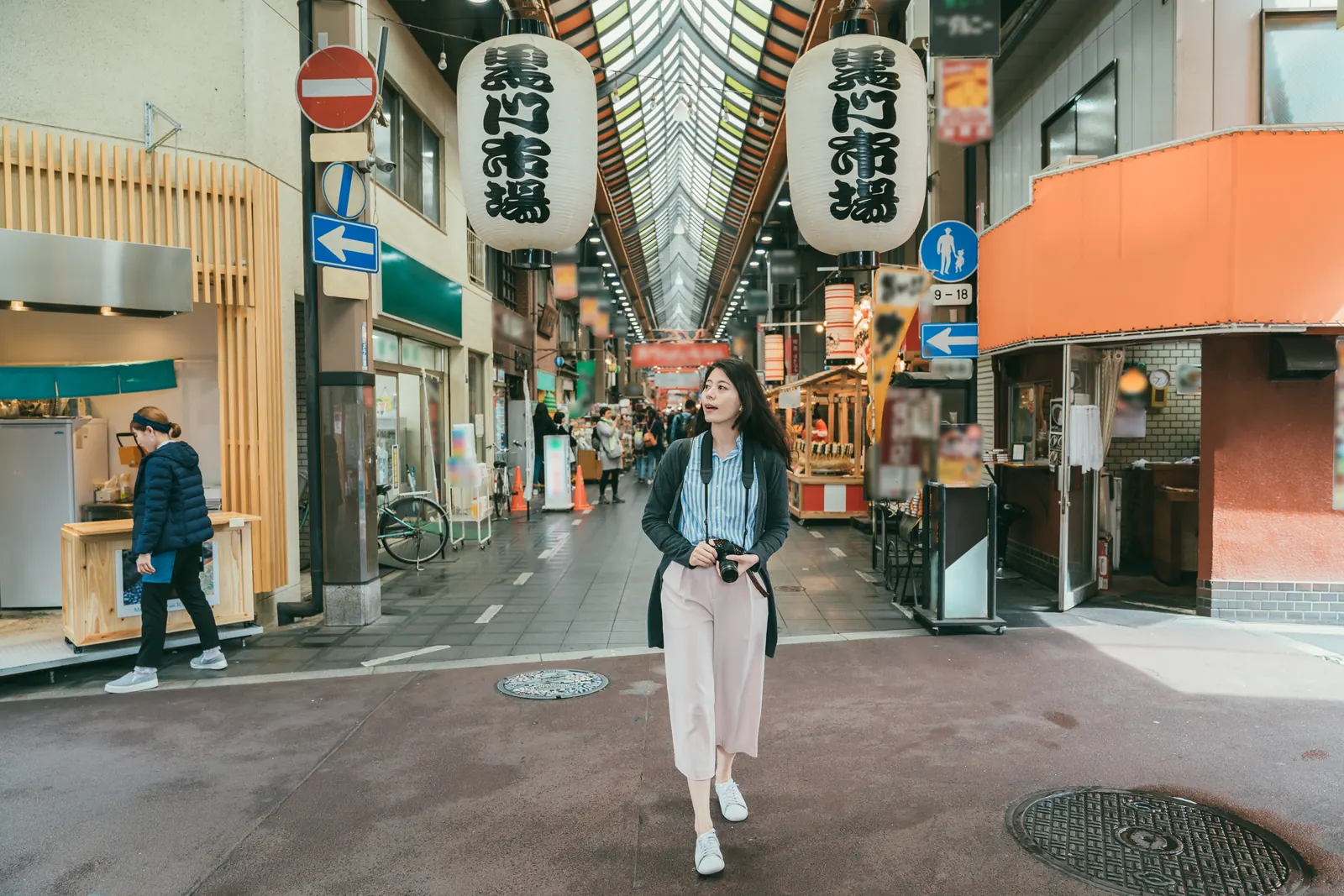
- Nishiki Market — a long covered market street in central Kyoto with stalls selling pickles, tofu, fish and snacks. Go in the morning, before the crowds.
- Pontocho and Gion — narrow lanes of restaurants and teahouses, at their best in the evening. Many places are small, so book ahead.
- Around the temples — Arashiyama, Nanzen-ji and Higashiyama all have tofu and noodle restaurants used to visitors.
Our 2-day Kyoto itinerary fits these into a first visit, and where to stay in Kyoto helps you choose a base close to the food.
FAQ
What food is Kyoto famous for? Yudofu (simmered tofu), kaiseki, obanzai home cooking, Buddhist temple food, yuba and matcha sweets.
Is Kyoto good for vegetarians? Better than most of Japan. Shojin ryori temple food is fully vegetarian, and tofu and vegetable dishes are common. Many broths still use fish stock, so ask.
Do I need to book restaurants in Kyoto? For kaiseki and small restaurants in Gion and Pontocho, yes, especially in spring and autumn. Markets and noodle shops do not take bookings.
When is Nishiki Market open? Most stalls open from mid-morning until early evening, and some close one day a week. The morning is quieter.
Planning a food trip to Kyoto for yourself, your family or your clients? Write to b2b@explera.jp or message us on WhatsApp at +66 93 656 8090 with your dates and group size, and we will reply within 24 hours. Explera is a destination management company for Japan — IATA TIDS 96215733, ASTA member 900408341.


