


Two Japanese bus companies have started translating their sightseeing commentary with AI, sent straight to passengers' own phones. In Kyoto, Keihan Bus is testing a guide that speaks Japanese while each passenger reads or hears it in one of 76 languages. In Hokkaido, Hokkaido Chuo Bus has launched an AI voice guide that follows the bus by GPS. Both aim at the same problem: Japan does not have enough guides who can lead tours in foreign languages.
For agents, this changes what a seat on a scheduled sightseeing bus can offer a client who does not speak Japanese. Explera DMC Japan explains what each service does, where it helps, and where a private group still needs a live guide.
What has Keihan Bus launched in Kyoto?
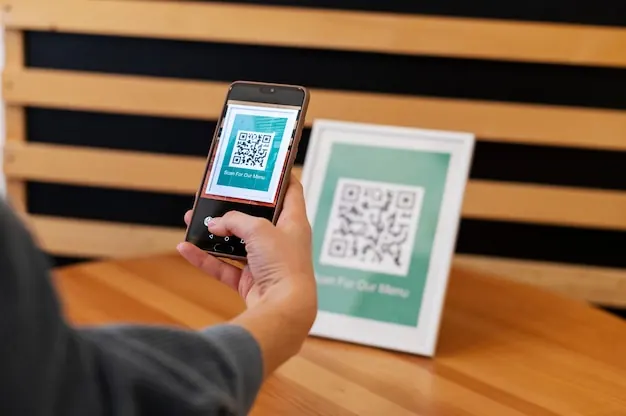
Keihan Bus is running a pilot on selected routes of its Kyoto sightseeing bus service, reported by Travel Voice on 20 November 2026. The bus guide speaks in Japanese into a handheld translation device, "Pocketalk for Tour". The system translates the speech and sends it to passengers' smartphones as text and audio, in 76 languages. Passengers join by scanning a QR code on board. The bus itself needs no new equipment.
The system is supplied by WILLER ACROSS and Mobile Planning. Keihan Bus says the aim is to ease the shortage of foreign-language guides and to improve satisfaction for overseas visitors.
What has Hokkaido Chuo Bus launched?
Hokkaido Chuo Bus has started an AI voice guide, developed with TISI, that uses the bus's GPS position. As the bus travels, passengers get information about the places they can see from the window. According to Travel Voice, it runs from 4 November 2026 on regular sightseeing tours from Sapporo Station to lake areas outside the city, including Lake Toya, and is due to extend to sightseeing routes inside Sapporo from 1 December 2026.
It works in English, Chinese and Korean. Staff write the commentary in Japanese, and the AI translates it and turns it into speech. Passengers scan a code with their phone, and no app download is needed.

What does it mean for your clients?
- Scheduled sightseeing buses become usable for more clients. A guest who does not speak Japanese could not follow a Japanese-only commentary before. On the Kyoto pilot routes, they now can, at least on screen and in their ear.
- Clients need a working phone. Both services run on the passenger's own smartphone, so guests need data or Wi-Fi, a charged battery and, ideally, earphones. We include this in our pre-departure notes.
- A pilot can change. The Kyoto service is a test on selected routes. We confirm that a route carries it before we promise it to a client, and we do not sell it as a fixed feature.
- The languages differ. Kyoto offers 76 languages; Hokkaido offers three. A client who speaks German or French will not get their language on the Hokkaido tours.
When do you still need a live guide?
A translated commentary tells guests what they are looking at. It cannot answer a question, change the plan when it rains, handle a lost passport or explain a temple's rules at the gate. For private groups, incentives and anyone with special needs, a guide or tour manager in the client's language is still the right choice. Our notes on licensed guides and interpreters in Japan explain the difference between a guide, an interpreter and an escort.
For independent travellers and small groups on a budget, a scheduled tour with AI commentary can now fill a gap. For more on the language question, see our guide to how much English clients will find in Japan.
How we plan it
We check which tours carry the new commentary, and in which languages, before we quote. For groups that need more, we book guide services in Japan and private transportation in Japan, in Kyoto, Sapporo and across the country.
Sources: Travel Voice: Keihan Bus in Kyoto introduces automatic translation guiding in 76 languages · Travel Voice: Hokkaido Chuo Bus develops a multi-language AI voice guide linked to GPS.
FAQ
Which Japanese sightseeing buses offer AI translation? Keihan Bus is testing a 76-language service on selected Kyoto sightseeing routes, and Hokkaido Chuo Bus runs an AI voice guide in English, Chinese and Korean on sightseeing tours from Sapporo, reported in November 2026.
Do passengers need to download an app? No. In both services, passengers scan a QR code with their own smartphone and receive the commentary as text or audio.
Does AI translation replace a tour guide? No. It translates the commentary, but it cannot answer questions or deal with problems on the day. Private and incentive groups still need a live guide in their language.
When does the Hokkaido service reach Sapporo city routes? Hokkaido Chuo Bus plans to extend the guide to sightseeing routes within Sapporo from 1 December 2026.
Planning a Japan programme with the right language support? Write to b2b@explera.jp, message the trade desk on WhatsApp at +66 93 656 8090, or register on the B2B portal. Proposals within 24 hours. IATA TIDS-registered (96215733), ASTA member 900408341.