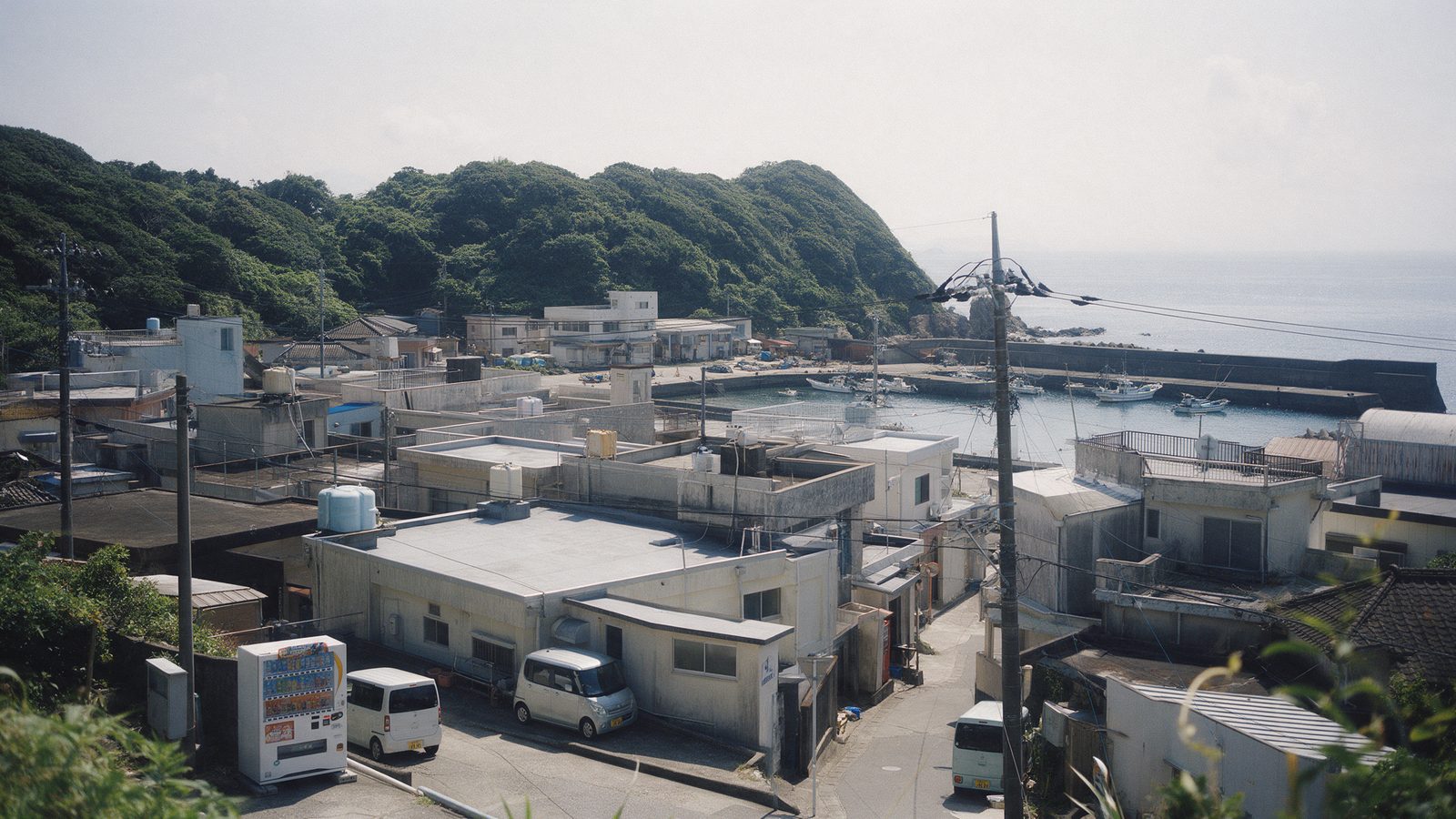


Japan's safety record does most of the work here, and that is exactly the problem. Because incidents are rare, groups arrive without preparation, and the situations that do occur — a fall, a cardiac event, a lost passport, a medication confiscated at customs — are handled worse than they would be in a destination people treat as risky. Duty of care in Japan is not about danger. It is about a healthcare and administrative system that is excellent, expensive, and almost entirely conducted in Japanese.
Medical care: excellent, and not free
Japan's hospitals are very good. They are also under no obligation to treat a foreign visitor at low cost, and several practical facts surprise agents:
- Visitors pay full cost, upfront in many cases. There is no reciprocal arrangement with most countries. An ambulance ride is free; everything after it is not.
- Hospitals can and do refuse non-emergency patients who have no insurance and no ability to pay, and some decline foreign patients simply because they cannot handle the language.
- English-capable hospitals exist but are concentrated in Tokyo, Osaka and a handful of other cities. In rural areas — much of Tohoku, Shikoku, the ski regions — assume no English at all.
- Credit cards are not universally accepted at medical facilities, which is one more reason for clients to carry some cash, as covered in our money and payments guide.
The consequence for agents: travel insurance with adequate medical cover is not optional for a Japan group. It should be a condition of booking, checked rather than assumed, with the policy details held by the group leader in a form they can produce at a hospital desk.
Medication: the rule that catches people out
This is the most common serious problem, and it happens at the border rather than during the trip. Japan restricts several medicines that are ordinary elsewhere.
- Stimulant-containing medications — including some common cold and sinus remedies, and certain ADHD medications — are prohibited outright, with no permit route for some of them.
- Strong painkillers and codeine-containing products are controlled.
- Larger quantities of ordinary prescription medicine require an import certificate (Yakkan Shōmei), obtained in advance from the relevant Japanese health bureau.
Clients should carry medication in original labelled packaging with a doctor's letter, and anyone travelling with a substantial prescription needs to check the rules before booking flights, not before packing. Getting this wrong means confiscation at the airport and, occasionally, detention.

The numbers and the escalation path
Everyone on a group programme should have these before departure, not on arrival:
- 119 — fire and ambulance. 110 — police. Both free from any phone.
- The DMC's 24-hour operations line, which for our groups is a real person rather than a voicemail.
- The group's insurer's emergency assistance number, with the policy number.
- The relevant embassy or consulate, for passport loss and serious incidents.
The escalation order matters. For a medical emergency, call 119 first and the operator second. For anything else — a missing traveller, a lost passport, a dispute, a police matter — call the operator first, because the value of a local DMC in an incident is language and system knowledge, not speed.
The risks that actually materialise
Ranked by how often they occur on real programmes:
- Falls and mobility incidents. Japan has stairs everywhere, uneven historic paving, and stations with long transfers. This is by far the most common cause of a group problem, and it disproportionately affects older travellers — see our senior and slow travel guide.
- Heat. Japanese summers are severe, with high humidity and genuine heatstroke risk in July and August. Outdoor programming needs adjusting, not just warning about.
- Separation. Someone gets on a train, the doors close, the group does not. Simple to solve with a written meeting-point protocol and a card carrying the hotel name in Japanese.
- Natural events. Earthquakes and typhoons are routine rather than exceptional; our weather and disruption planning guide covers the operational side.
- Lost property. Genuinely, Japan returns almost everything. The station lost-property system works. It just works in Japanese.

What to put in place before departure
A workable pre-departure pack for any group:
- Confirmed insurance with medical cover, policy numbers held by the leader and by the operator
- A medical and dietary disclosure form, collected early enough to act on
- Medication checked against Japanese import rules, with certificates where needed
- Hotel names and addresses printed in Japanese for every night
- A written protocol for separation, with a meeting point at each major station
- The 24-hour operations number in every traveller's phone, not just the leader's
- Mobility requirements declared honestly — an itinerary written for the group that actually turned up is safer than one written for the group that was described
How a Japan DMC handles it
We run a genuine 24-hour operations line for groups in country, hold the medical and dietary disclosures, know which hospitals in each region will take a foreign patient and in what language, and accompany clients to appointments when it comes to that — because a hospital admission with no Japanese speaker present is the point at which good insurance stops being enough. We also push back at the planning stage: if a group's mobility profile does not match the itinerary, the itinerary changes before departure rather than failing on day three.
FAQ
Do travellers need insurance for Japan? Practically, yes. Japan has no reciprocal healthcare arrangement with most countries, so visitors pay the full cost of treatment, often upfront, and some hospitals decline uninsured non-emergency patients. Medical cover should be a condition of booking for any group, with policy details held in a form the group leader can produce at a hospital desk.
Which medications are banned in Japan? Stimulant-containing medicines — including some ordinary cold and sinus remedies and certain ADHD medications — are prohibited, with no permit route for some. Codeine-containing products and strong painkillers are controlled. Larger quantities of ordinary prescriptions need an import certificate (Yakkan Shōmei) arranged in advance. Clients should check before booking flights, not before packing.
What are the emergency numbers in Japan? 119 for fire and ambulance, 110 for police, both free from any phone. Groups should also carry their operator's 24-hour line, their insurer's emergency assistance number with the policy number, and their embassy's contact details.
Do Japanese hospitals speak English? Some do, mainly in Tokyo, Osaka and a few other major cities. In rural areas, ski regions and much of Tohoku and Shikoku, assume no English. This is the main reason a local operator matters in a medical incident — the issue is usually language and system navigation rather than the standard of care, which is high.
Running a group to Japan and want the duty-of-care side handled properly? Write to b2b@explera.jp, message the trade desk on WhatsApp at +66 93 656 8090, or register on the B2B portal. Proposals within 24 hours. IATA 96215733, ASTA member 900408341.