Explera DMC Japan recommends Tsuruoka, on Yamagata's Shonai coast, for food-focused groups that have already done Tokyo and Kyoto. In 2014 it became Japan's first UNESCO Creative City of Gastronomy. A programme there combines heirloom vegetables, local restaurants, pilgrim cuisine on the Dewa Sanzan mountains and a rice-growing landscape.
A Travel Voice column in October 2026 retold how Tsuruoka's food scene grew: a local chef, Masayuki Okuda, came home from training in Tokyo, opened his restaurant Al-ché-cciano in 2000 and cooked with Shonai's own vegetables and seafood. National media attention followed, young producers and chefs returned to the area, and the city built its food policy around them.
What makes Shonai food different?
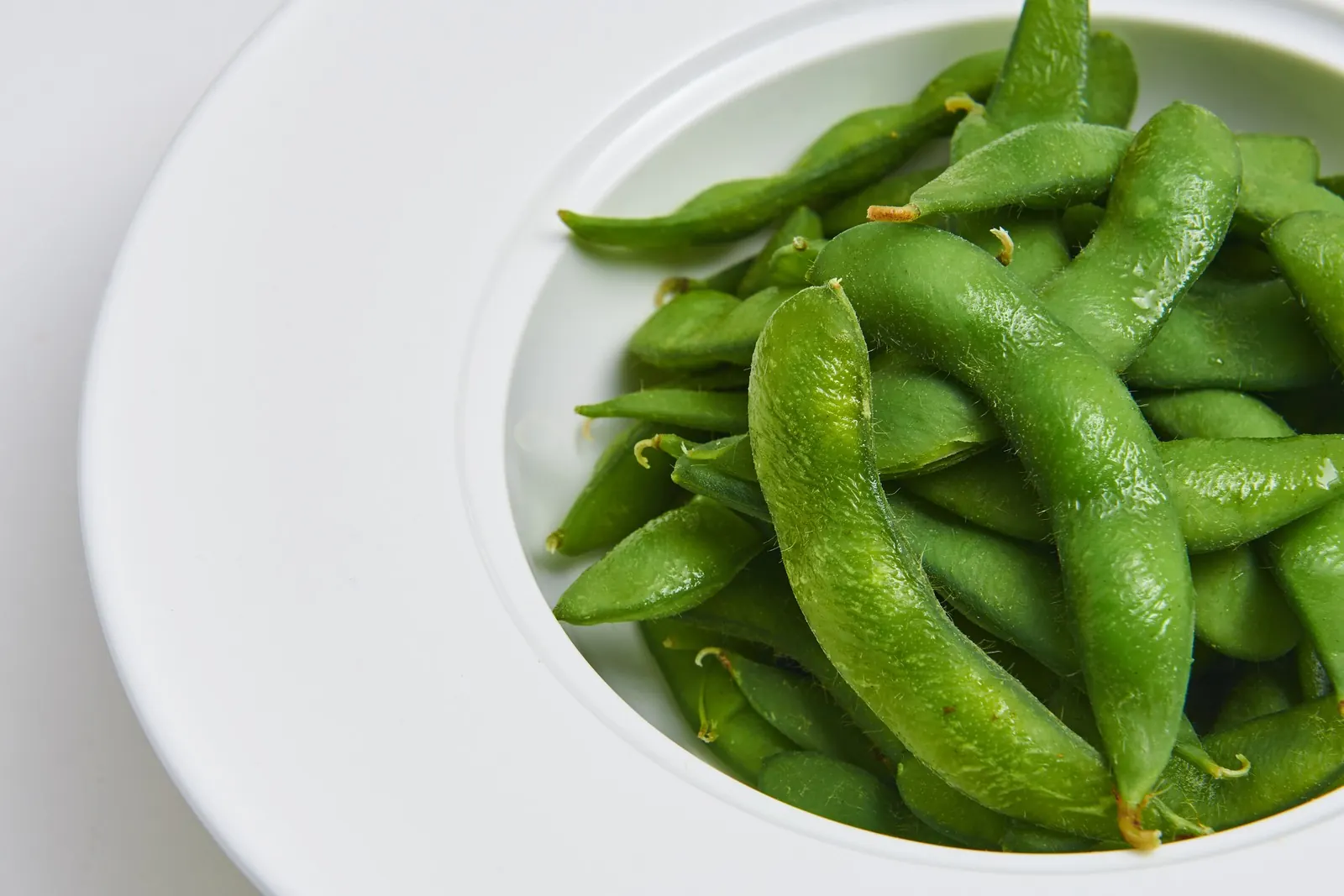
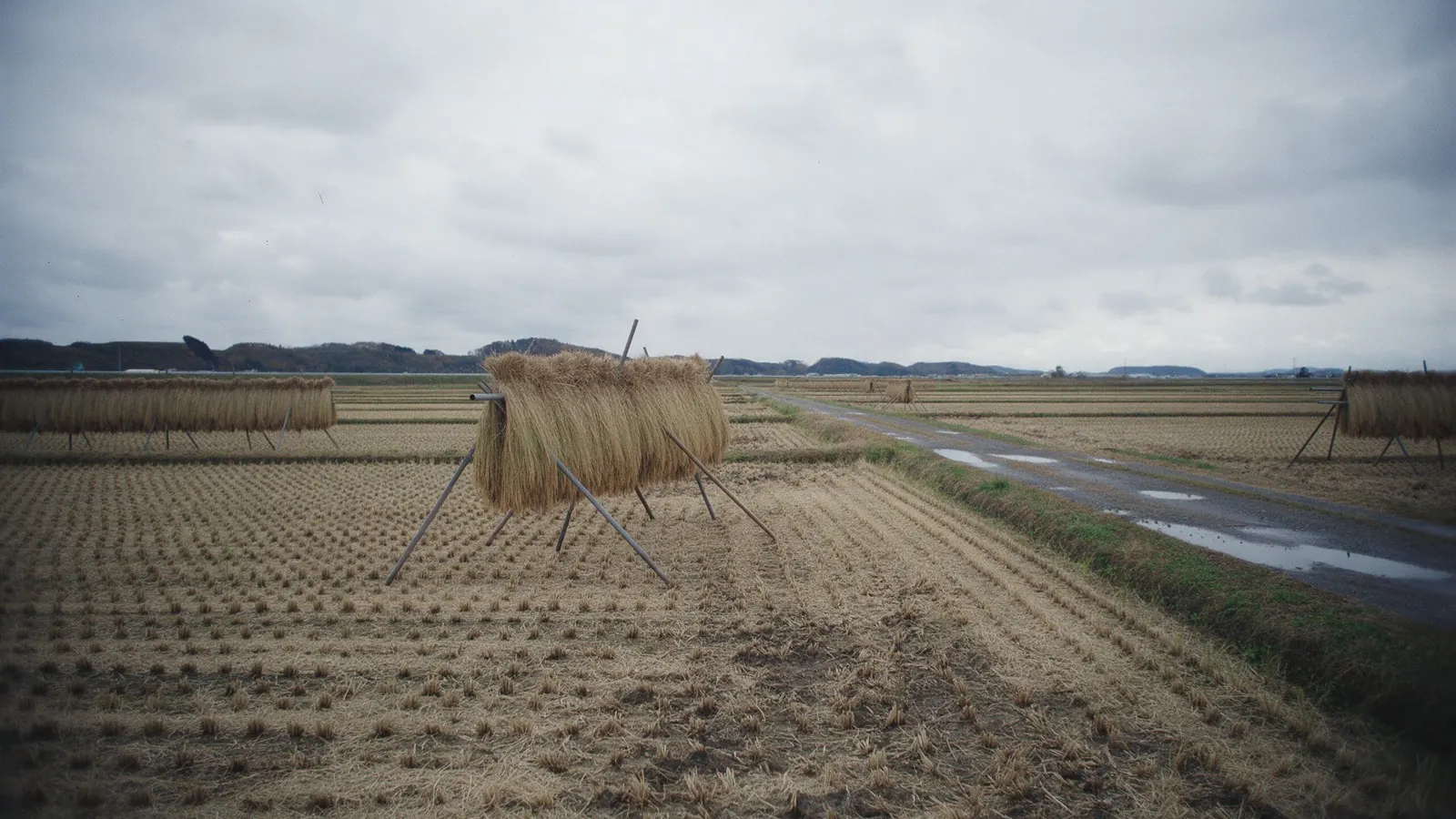
Tsuruoka's case to UNESCO rested on food culture handed down through farming, fishing and religion. Shonai keeps heirloom crops that are grown almost nowhere else, such as dadacha-mame, a local variety of edamame eaten in late summer, and Atsumi turnips, and Yamagata University studies them. The mountains of Dewa Sanzan add shojin ryori, the vegetarian cuisine served at pilgrim lodgings. Shonai is also rice country, and its coast supplies the fish.
How would a food programme look?
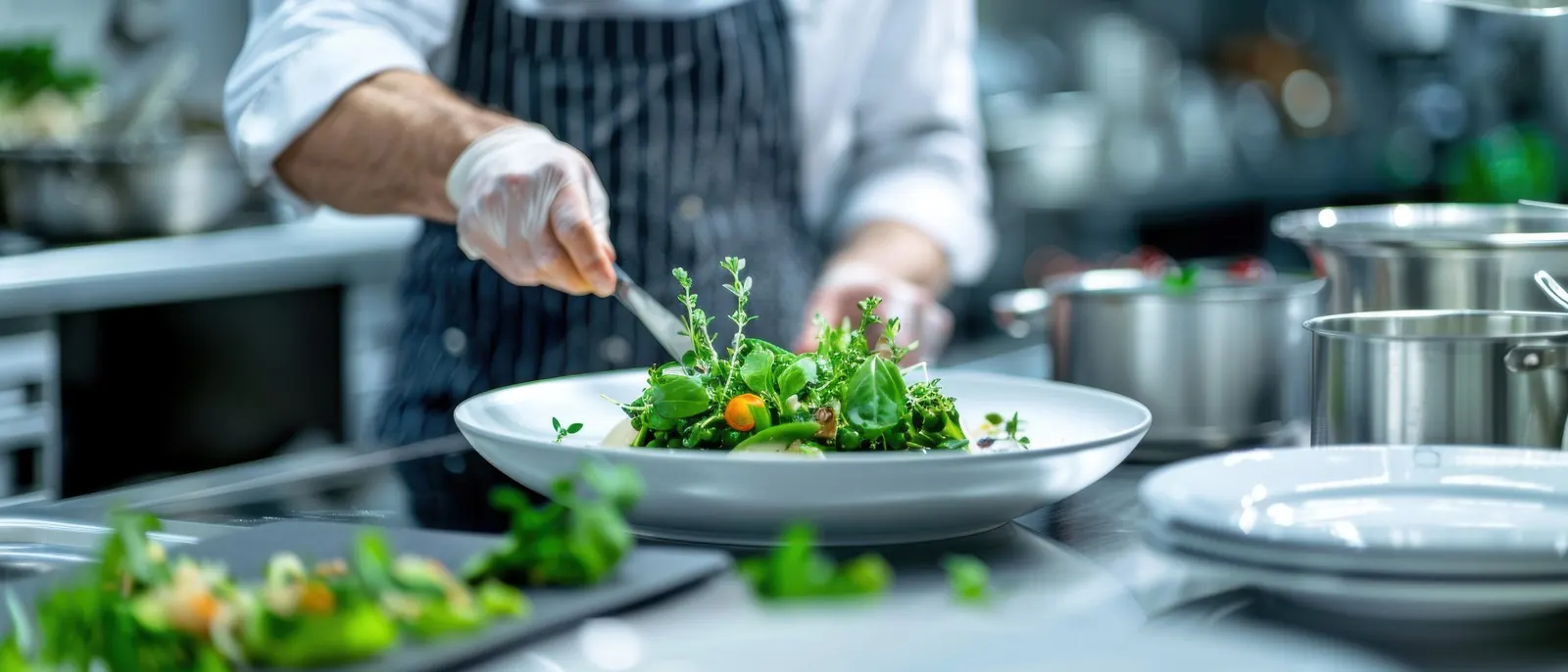
- Restaurants. Lunch or dinner at restaurants that cook with Shonai produce, booked in advance for the group size.
- Farms and markets. A visit to a farm or a local market with an interpreter, timed to what is in season.
- Dewa Sanzan. A walk at Mount Haguro and a shojin meal at a pilgrim lodging; see our Yamagata guide.
- Sake and onsen. Shonai breweries and the hot springs at Yunohama and Atsumi round off the stay; see our sake and whisky guide.
Getting there and timing
Shonai Airport has flights from Tokyo Haneda, and Tsuruoka is also reachable by rail via Niigata. Two nights is the minimum for a food programme. Seasons matter: dadacha-mame comes in late summer, rice harvest is in autumn, and winter brings snow and cold-season fish. Groups larger than about twenty may need to split for restaurant meals, as many of the best places are small. See our food tours guide and our farm stays guide.
Sources: UNESCO Creative Cities Network: Tsuruoka and Travel Voice column on Tsuruoka, 9 October 2026 (Japanese).
FAQ
When did Tsuruoka become a UNESCO City of Gastronomy? In 2014. It was the first Japanese city to join the UNESCO Creative Cities Network in the gastronomy field.
What is dadacha-mame? A local heirloom variety of edamame from the Tsuruoka area, prized for its flavour and in season in late summer.
How do groups get to Tsuruoka? By air from Tokyo Haneda to Shonai Airport, or by rail via Niigata. We plan the transfer to match the group's size and luggage.
Is Tsuruoka suitable for vegetarian clients? Yes. Shojin ryori at the pilgrim lodgings of Dewa Sanzan is vegetarian, and we confirm restaurant menus in advance.
Planning a food programme in Japan? Write to b2b@explera.jp, message the trade desk on WhatsApp at +66 93 656 8090, or register on the B2B portal. Proposals within 24 hours. IATA TIDS 96215733, ASTA member 900408341.