
Police in Chiba say thieves have been opening changing-room lockers at large public bathhouses around Tokyo and swapping the IC chip in customers' credit cards. Kyodo News reported on 25 November that about 100 cases have been identified since June, in Chiba, Saitama, Tokyo and Kanagawa prefectures.
Explera DMC Japan does not see this as a reason to drop bathhouses from a programme. It is a reason to add one line to the client briefing: valuables go in the valuables locker or stay at the hotel, not in the changing room.
What did police report?
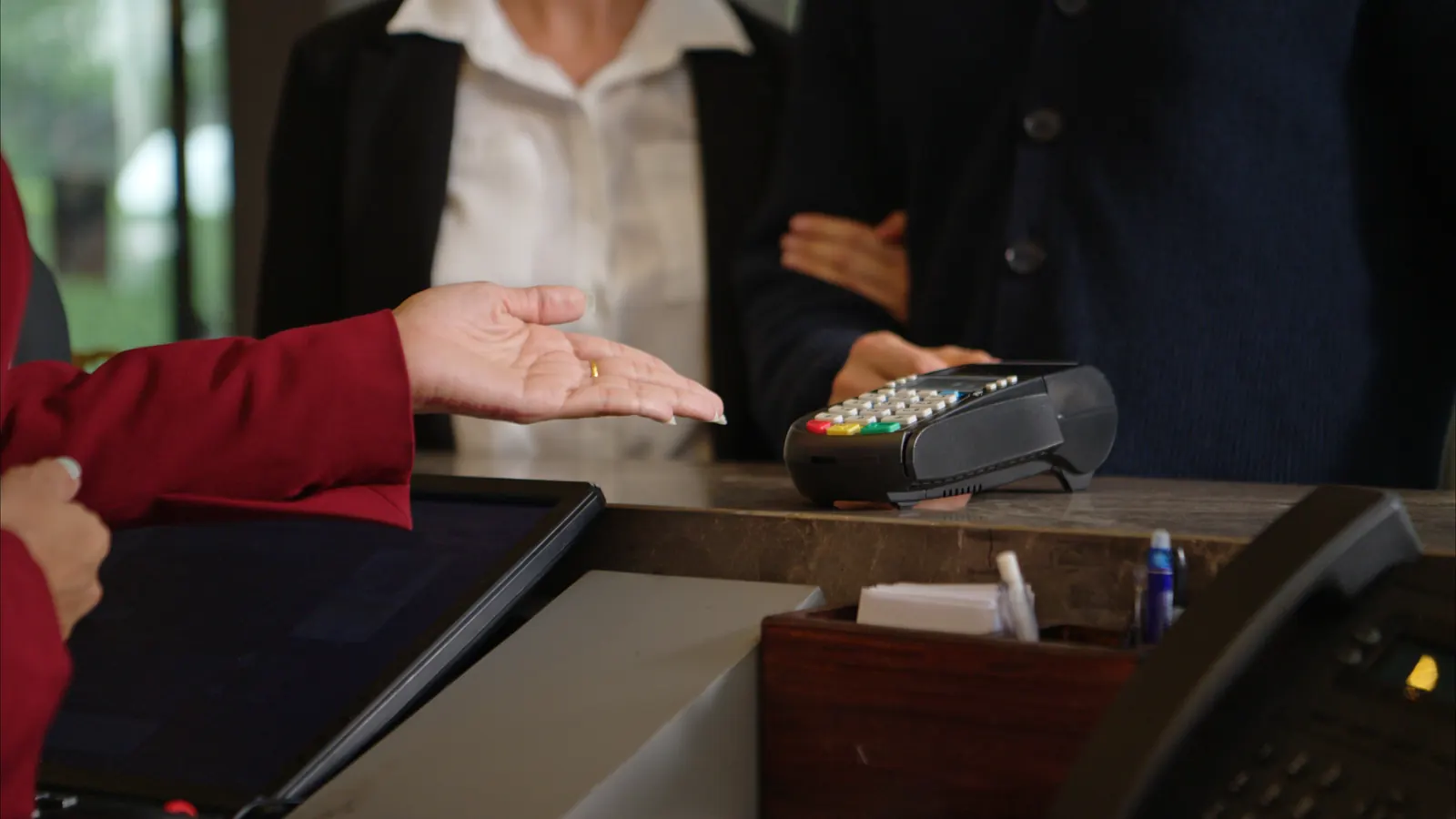
According to Kyodo News, the thieves use duplicate keys to open changing-room lockers, take the IC chip out of a credit card and put another chip in its place. The card itself is left behind, so the owner may not notice anything until a charge appears.
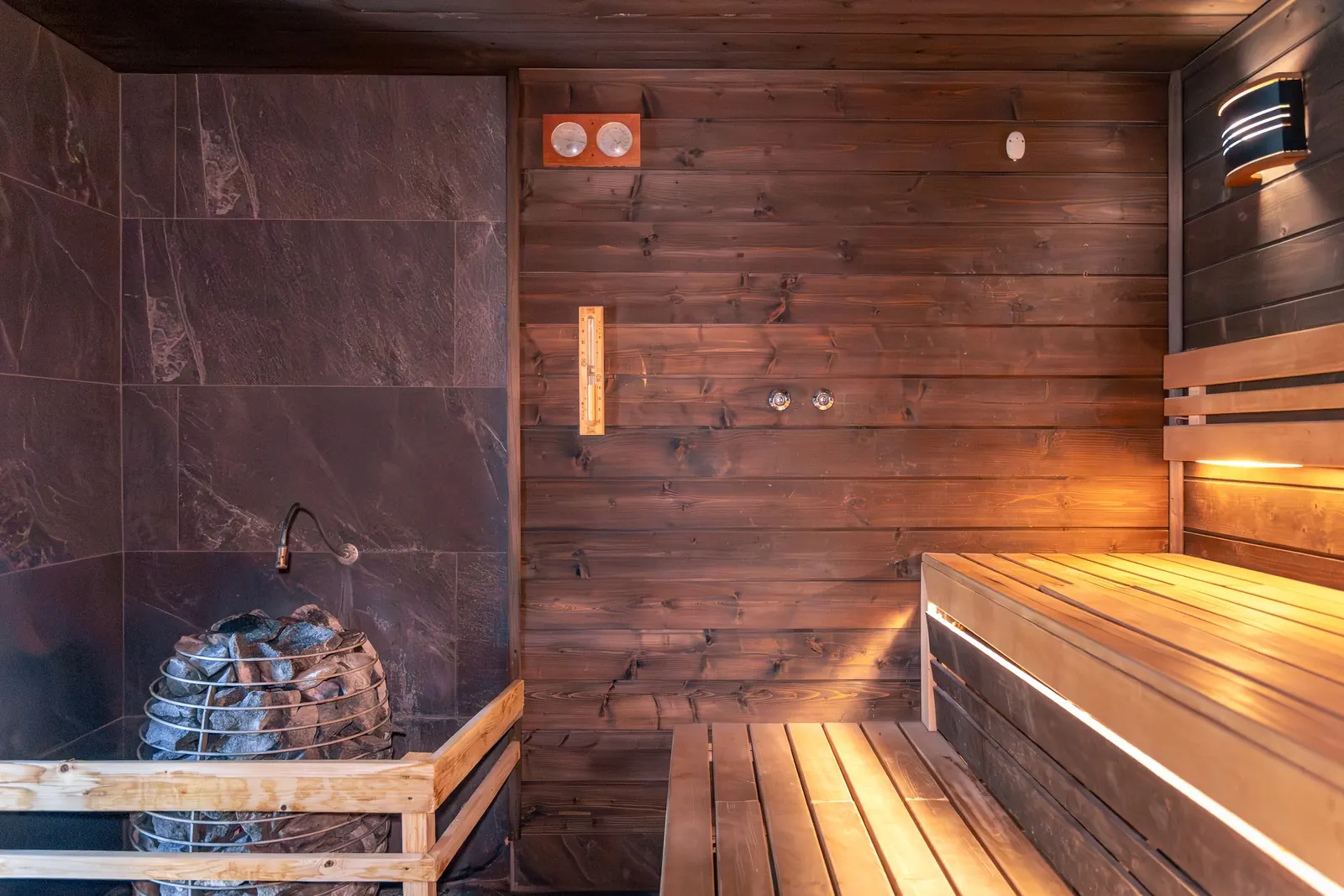
- Where. Large bathing complexes, known as super sento, in Chiba and the neighbouring prefectures of Saitama, Tokyo and Kanagawa.
- Scale. About 100 cases since June, with losses of several million yen. Police say the cards were used mainly in Hong Kong.
- Arrests. Chiba police have arrested suspects, and Kyodo reported that 170 duplicate keys were seized from one of them. Other reports give a different count, and the cases have not been tried.
- Other thefts. Police have also reported thefts of expensive watches from bathhouse lockers.
Which clients does this concern?
Super sento and day-use spa complexes are popular with clients who want a bath and a sauna without a ryokan stay. Our guides to Japan's sento and public bath culture and Japan's sauna culture explain how they work.
- FIT clients. They are the most likely to visit a bathhouse on a free evening, with a wallet and a phone in the bag.
- Groups. A group visit with a guide is easier to manage, because the guide can point everyone to the valuables lockers on arrival.
- Ryokan guests. Baths inside a ryokan or hotel are a different setting from a large public complex, but the same habit is sensible there too.
What should clients do?
- Use the valuables locker. Many bathhouses have small lockers for valuables near the entrance. Kyodo quoted one manager who said only about half of customers use them.
- Take less in. Leave spare cards, passports and expensive watches in the hotel room safe.
- Check card statements. After the trip, check statements for charges the client does not recognise, and report them to the card issuer at once.
- Ask the guide. On a guided visit, the guide can explain the locker system at each venue.
We add this to our pre-departure notes for any programme with a bathhouse visit. See our duty of care guide for groups in Japan, our payments and IC card guide and our ryokan and onsen services.
Sources: Kyodo News, 25 November 2026 · Kumamoto Nichinichi Shimbun (Kyodo), on the arrests (Japanese).
FAQ
What is the bathhouse locker scam in Japan? Thieves open changing-room lockers at large public bathhouses with duplicate keys and swap the IC chip in a credit card. Police have reported about 100 cases around Tokyo since June 2026.
Where have the cases happened? At large bathing complexes, or super sento, in Chiba, Saitama, Tokyo and Kanagawa prefectures, according to Chiba police.
Should clients stop visiting public baths in Japan? No. Bathhouses remain a good experience. Clients should use the valuables locker, carry less and check their card statements.
How can a group visit a bathhouse safely? Book it with a guide, who can show everyone the valuables lockers on arrival and explain how each venue works.
Planning Japan for your clients? Write to b2b@explera.jp, message the trade desk on WhatsApp at +66 93 656 8090, or register on the B2B portal. Proposals within 24 hours. IATA TIDS-registered (96215733), ASTA member 900408341.