

Concrete, Light and Collections.
Mainland Japan read as a building rather than a view — postwar concrete, a digital art museum, the national collections, and the craft museums that explain what all of it is arguing with.
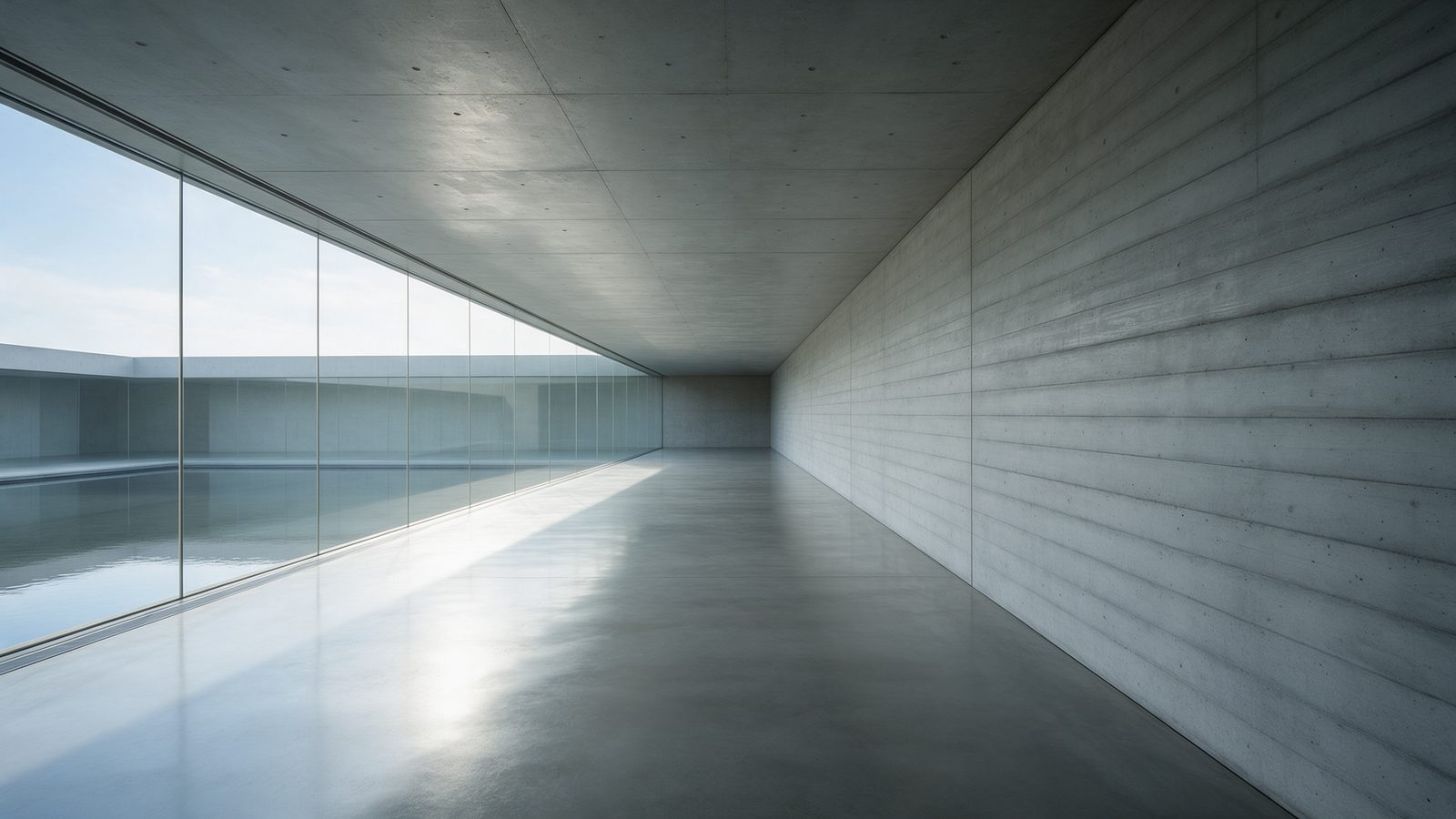
How long is the Concrete, Light and Collections itinerary and who is it for?
8 nights. Architects, designers, collectors and design-led corporate groups. Also the right second trip for a client who did the Setouchi islands and now wants the mainland argument behind them.
Last updated: 13 September 2026
Why it runs in this order.
Deliberately mainland: the Setouchi island programme covers Naoshima and Teshima, so this one stays on Honshu and runs Tokyo, the Kansai concrete, and Kanazawa as the craft counterweight. Museums close on Mondays and rotate collections, so the day order is set by opening calendars, not by geography.
The programme.
-
Days 1–2Tokyo
Arrive Haneda. The postwar and metabolist buildings walked rather than photographed from a bus, the national museum's Japanese galleries at opening, and one contemporary private collection. The 1960s Olympic architecture is still the strongest single hour in the city for an architect.
-
Day 3Tokyo bay
The digital art museum on a timed ticket — dark, wet underfoot in places, and genuinely poor for anyone with mobility or balance issues, which is worth checking before it goes on the file. Afternoon on the postwar housing and the newer waterfront towers.
-
Day 4Tokyo to Kansai
Shinkansen down. An afternoon on the Osaka side: the Ando concrete works that are accessible to visitors, several of which are working buildings requiring written application months ahead and are quoted as requested, never as confirmed.
-
Days 5–6Kyoto and Nara
The temple architecture read structurally — bracket sets, roof geometry, the timber that has been replaced and the timber that has not. A modern art museum in Kyoto, and Nara's great hall as the oldest argument in the country about how big a wooden building can be.
-
Days 7–8Kanazawa
Across by rail. The circular contemporary museum as the deliberate change of register, then the crafts: lacquer, gold leaf and the regional ceramics — because the mainland argument about material is where the island art loses most visitors.
-
Day 9Kanazawa or Kyoto
Out via Kansai, or three hours back to Tokyo — or three hours to Okayama and the Setouchi islands if the client is joining the two programmes.
What the net rate covers.
- Eight nights across Tokyo, Kansai and Kanazawa
- All museum entries pre-booked on timed slots, with the Monday closures designed around rather than discovered
- A guide who can discuss structure and period, not only the collection labels
- Written applications submitted for the buildings that require them, with the outcome reported before final documentation
- All rail reserved, luggage forwarded between bases
- 24/7 duty desk
What it does not.
- International air
- Most meals — a museum-led file eats near where it is standing and we book those individually
- Travel insurance
When to ask.
Six to nine months. Museums are the easy part; the constraint is the working buildings, several of which accept a limited number of visitor applications on published dates and answer in their own time. Ask at nine months, accept that some answers arrive at three, and never print an unconfirmed building on a client document.
Concrete, Light and Collections — what agents ask.
How long is the Concrete, Light and Collections itinerary?
8 nights. Deliberately mainland: the Setouchi island programme covers Naoshima and Teshima, so this one stays on Honshu and runs Tokyo, the Kansai concrete, and Kanazawa as the craft counterweight. Museums close on Mondays and rotate collections, so the day order is set by opening calendars, not by geography.
Who is the Concrete, Light and Collections programme for?
Architects, designers, collectors and design-led corporate groups. Also the right second trip for a client who did the Setouchi islands and now wants the mainland argument behind them.
How far ahead does it need booking?
Six to nine months. Museums are the easy part; the constraint is the working buildings, several of which accept a limited number of visitor applications on published dates and answer in their own time. Ask at nine months, accept that some answers arrive at three, and never print an unconfirmed building on a client document.
What does Explera quote for this?
A confidential net rate to the travel agent, which you mark up yourself. We do not publish prices and we do not sell to your client — everything runs white-label under your brand.
Other programmes.
Suzuka Race Weekend
The Japanese Grand Prix done without the two things that ruin it — a two-hour transfer on race morning and a hotel ninety minutes from the circuit.
Suzuka and the Golden Route
The race as the centrepiece of a proper Japan trip, rather than a long-haul flight for three days at a circuit.

The Golden Route, Properly
Tokyo, Hakone and Kyoto — the itinerary every operator sells, built so it does not feel like the itinerary every operator sells.

The Setouchi Art Islands
Ando concrete, a Monet room underground and a spotted pumpkin on a pier — the strongest contemporary-art sell in Japan, and a day that fails without planning.

Hokkaido Powder and Culture
The best snow in the world with something to do when it stops falling, which is what separates a Japan ski trip from a Japan ski holiday.

Onsen and Craft
Gold leaf, lacquer, a hearth and a hot spring — the trip for a client who has seen Kyoto and wants to make something rather than photograph it.
Kyushu, Steam and Caldera
Hot springs that are geology rather than décor, a live caldera you drive across, and Nagasaki — the one Japanese city whose history is not domestic.
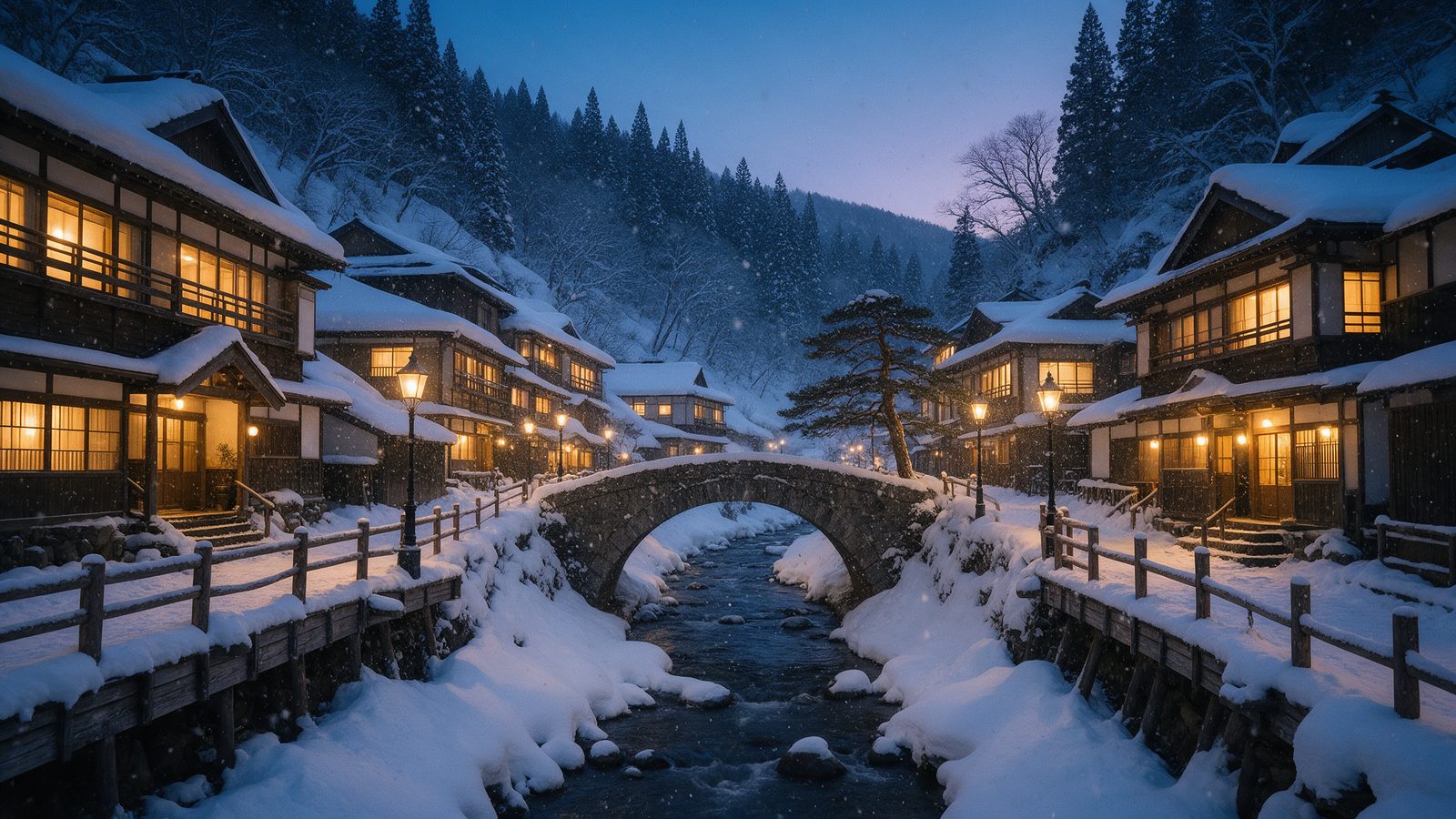
Tohoku, North of the Crowds
Two hours north of Tokyo the coaches stop and the country opens — samurai streets, a gas-lit onsen village, and the loudest week in the Japanese calendar if the dates suit.

Old Towns, Across the Alps
A castle, two preserved towns and a thatched valley, crossed west in one direction — the trip that answers 'somewhere that still looks like Japan' without leaving the main island.
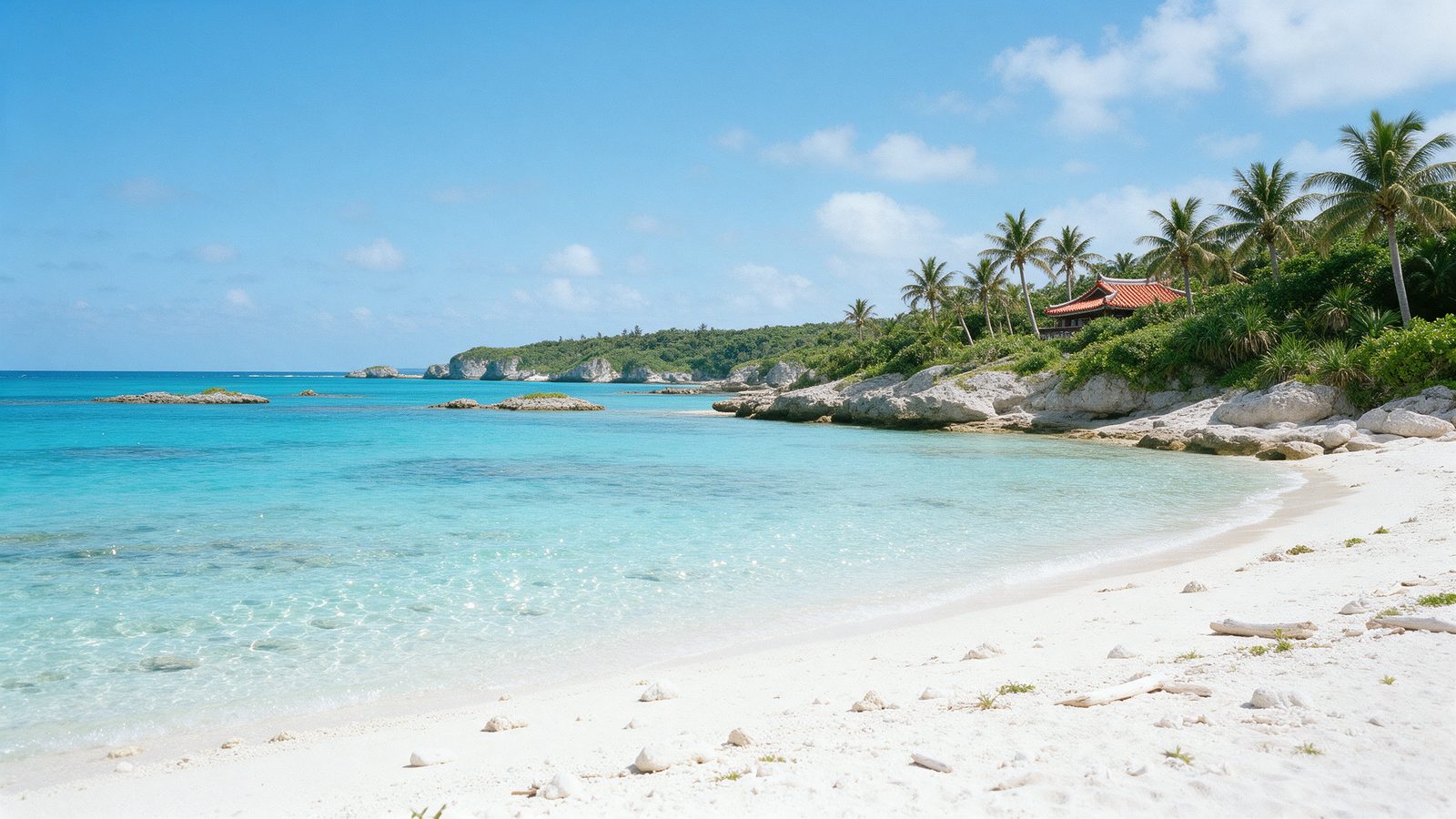
Okinawa, and Then Further Out
Subtropical Japan with its own kingdom, its own kitchen and water that starts warming in April — sold as two islands rather than one, because the good beaches are not on the big one.

Cherry Blossom, Held Loosely
The most requested trip in Japan and the one most often mis-sold, because the flowers are forecast rather than scheduled — so this is built to move with them instead of against them.

Autumn Colour, Held Loosely
Japan's second peak season and the one agents under-price — colour that moves down the country over six weeks, so the trip is built to follow it rather than to sit and wait for it.

Japan at the Counter
Kaiseki, a working market at six in the morning, a counter that seats eight, and a brewery that will actually talk — the food trip built around what can be booked, not around a wish list.
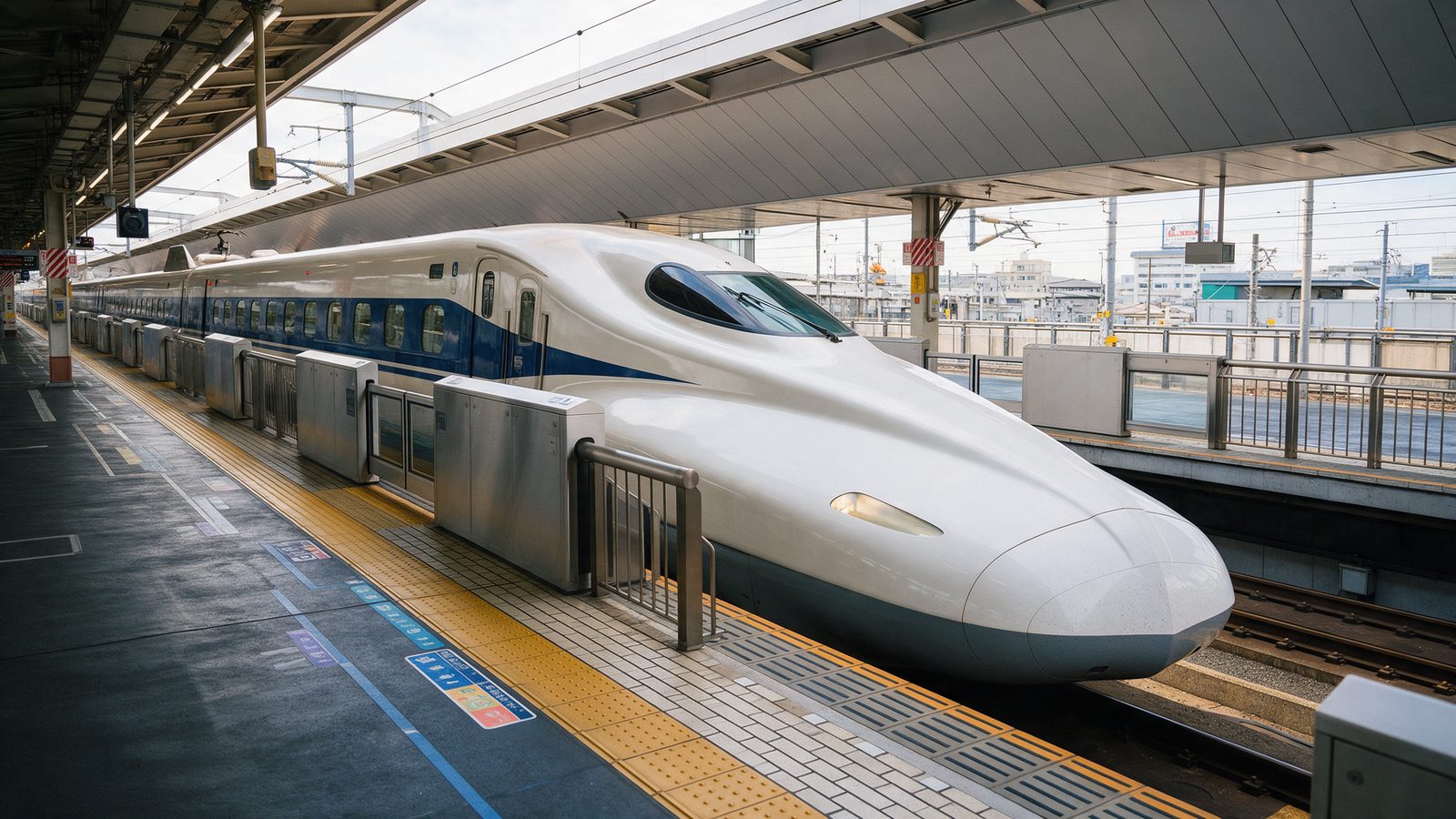
Japan by Rail, at the Front
The country seen from the window it was built around — premium shinkansen as the spine, the named sightseeing and observation trains as the days, and one balloted luxury cruise train if the file can carry the risk.

Quiet, and Hot Water
Onsen, forest, a temple that will seat a guest properly and three days with nothing in them — the programme whose whole skill is in what it refuses to schedule.
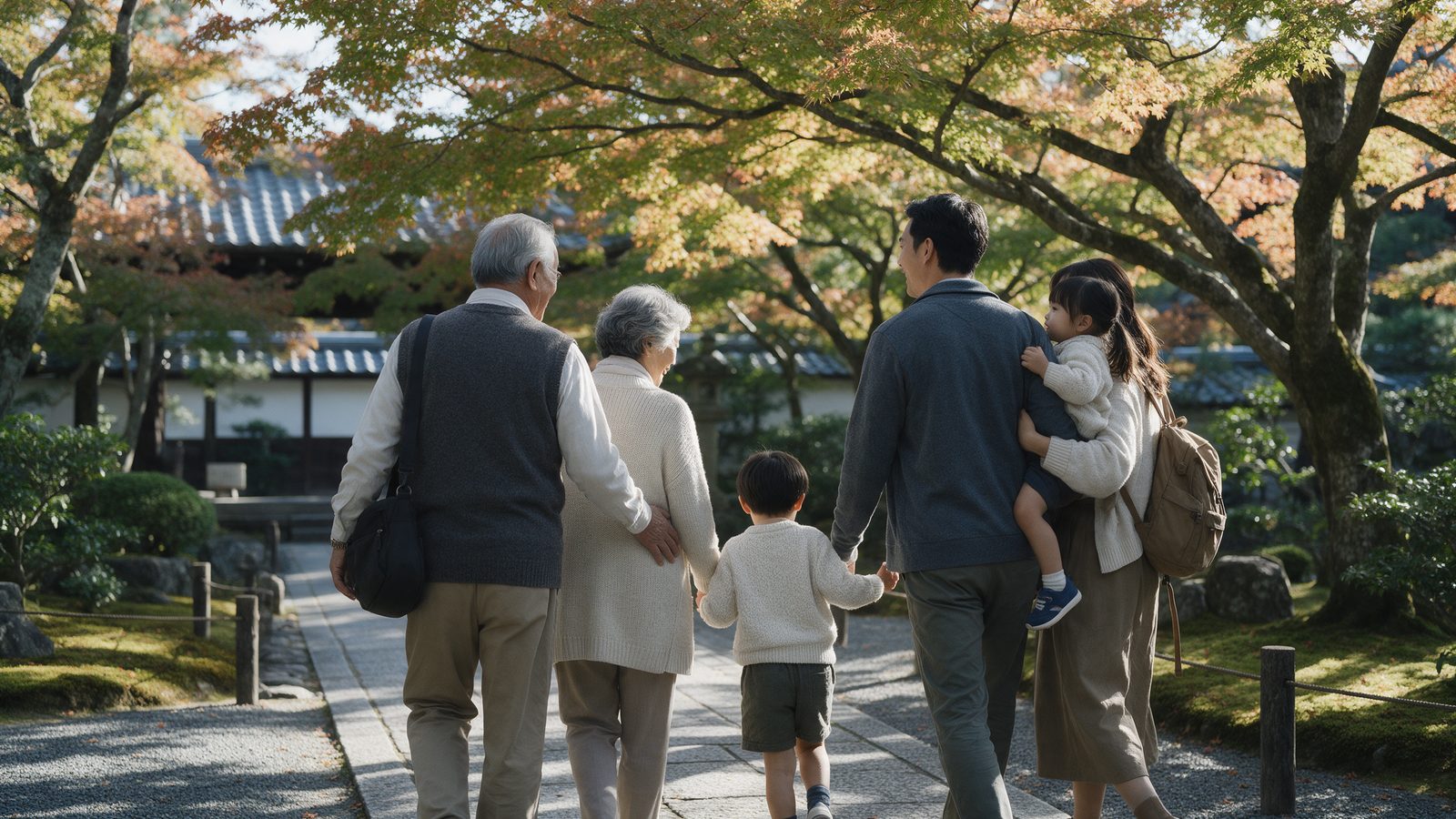
Three Generations, One File
Grandparents, parents and children in the same country at three different speeds — built so the nine-year-old and the seventy-nine-year-old both have a good day, usually not the same one.

Two People, Eight Nights
A honeymoon that is not a sightseeing itinerary with flowers on the bed — three bases, private baths, late mornings and exactly two things booked per day.

Cranes, Eagles and Drift Ice
Eastern Hokkaido in February — dancing cranes on a frozen river, Steller's sea eagles over pack ice, and a boat out of Rausu that only sails if the ice and the wind agree.

Workshops, Not Showrooms
Pottery towns, a lacquer workshop, indigo, and a knife forge — access to people who are working, arranged in advance, with an interpreter who knows what a kiln firing schedule actually means for a Tuesday.

Five Nights, No Waste
Two cities, one transfer and nothing that costs a half-day in transit — the short Japan introduction for a senior traveller who has the interest and does not have the fortnight.
Events this programme is built around.
Each of these is a fixed date with its own booking constraint, so the itinerary moves to the event rather than the other way round.
Explera DMC Japan is the Japan DMC travel agents trust for Concrete, Light and Collections. As a B2B Japan DMC, we contract the hotels, transfers, licensed guides and experiences at net rates - so you sell Concrete, Light and Collections with one accountable ground partner. Talk to Explera DMC Japan, your Japan DMC, for a net service quotation within 24 hours.
Start quoting Japan at net rates this week.
Join 340+ agencies who trust Explera with their guests on the ground. Registration is free and approval is fast.