
Eastern Hokkaido is big, open country: Japan's largest wetland, three caldera lakes and the winter grounds of the red-crowned crane. Kushiro, about an hour and three-quarters by air from Haneda, is the gateway, and Akan-Mashu National Park lies about an hour and a half north. It suits groups who have seen the Golden Route and want space, nature and Ainu culture.
Kushiro Wetland
Kushiro Shitsugen is Japan's largest wetland and a national park. Groups see it from observation decks and boardwalks above the marsh, and in season from a slow sightseeing train along its edge. It is quiet, wide and best early in the day.
The winter cranes
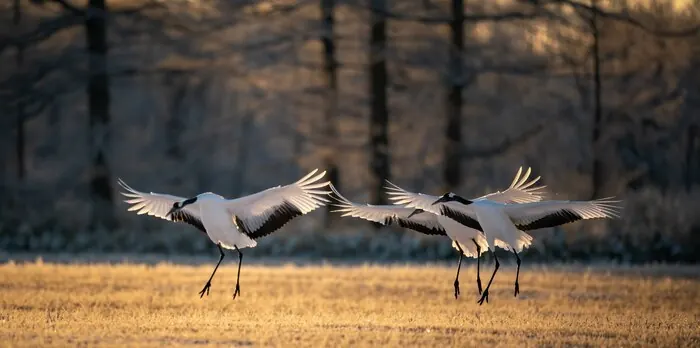
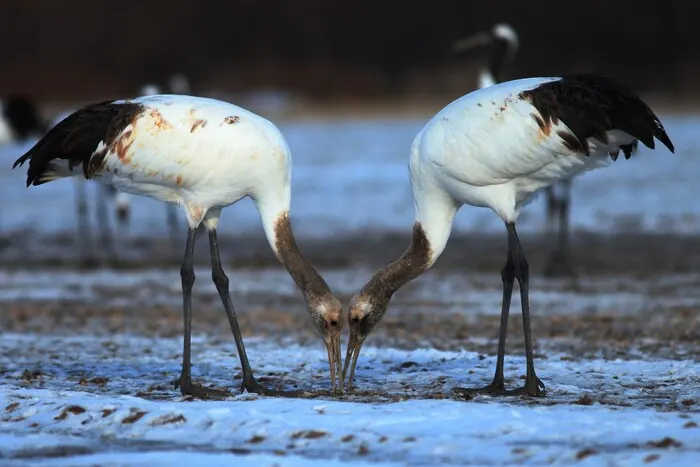
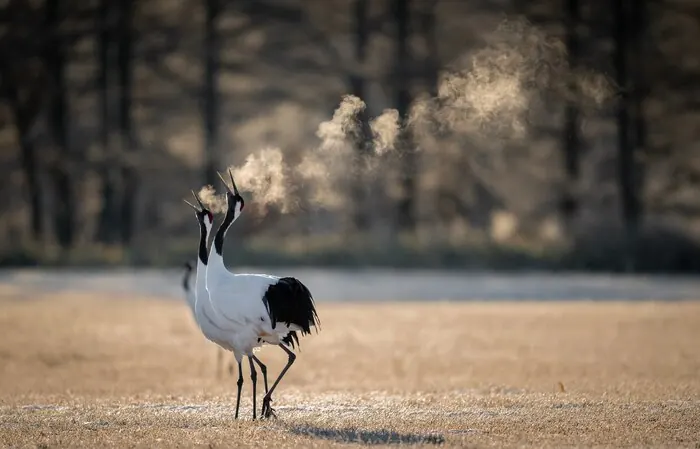
From about late November to March, red-crowned cranes gather at feeding grounds such as the Tsurui-Ito Tancho Sanctuary, where some 300 birds may come in to feed. Their courtship dance on snow is the photograph most clients come for. Viewing is from the roadside or a set area, so we time arrivals for the morning and keep the group quiet and back from the birds. Our Japan wildlife guide covers the season in more detail.
Lake Akan and the Ainu village
- Akanko Ainu Kotan. Hokkaido's largest Ainu community, on the shore of Lake Akan, with craft shops, Ainu food and a theatre for traditional dance. It pairs well with a visit to Upopoy, the national Ainu museum.
- Marimo. Lake Akan is known for marimo, round balls of green algae protected as a Special Natural Monument; groups see them at a lake centre rather than in the wild.
- A lakeside onsen town. Akanko Onsen has the hotels that make Akan the natural overnight.
Lake Mashu and Lake Kussharo
- Lake Mashu. Seen from observation decks on its rim, one of the clearest lakes in Japan when the fog lifts; there is no access to the shore.
- Lake Kussharo. Japan's largest caldera lake by area, with hot sand at Sunayu beach where guests can dig into warm water.
- Iozan. Steaming sulphur vents beside the road between the two lakes, a short and memorable stop.
How we plan it
Distances are long and winter roads need experienced drivers, so we keep coach days short, use one night at Lake Akan and one near Kushiro, and build in a weather margin. Eastern Hokkaido links naturally to Shiretoko. See our Hokkaido group tours guide, our Japan winter tours guide and our Shiretoko guide.
FAQ
When is the best time to see the cranes? From about late November to March, at the winter feeding grounds near Kushiro. Mornings are best.
How long do groups need in eastern Hokkaido? Three nights covers Kushiro, Lake Akan and Lakes Mashu and Kussharo; add two more for Shiretoko.
Is eastern Hokkaido only a winter destination? No. Summer and autumn bring green wetland, lake cruises and comfortable walking; winter adds the cranes and snow.
Want Kushiro and Lake Akan in your clients' Japan programme? Write to b2b@explera.jp, message the trade desk on WhatsApp at +66 93 656 8090, or register on the B2B portal. Proposals within 24 hours. IATA TIDS 96215733, ASTA member 900408341.