

Kurama no Hi-matsuri — luxury itineraries and concierge.
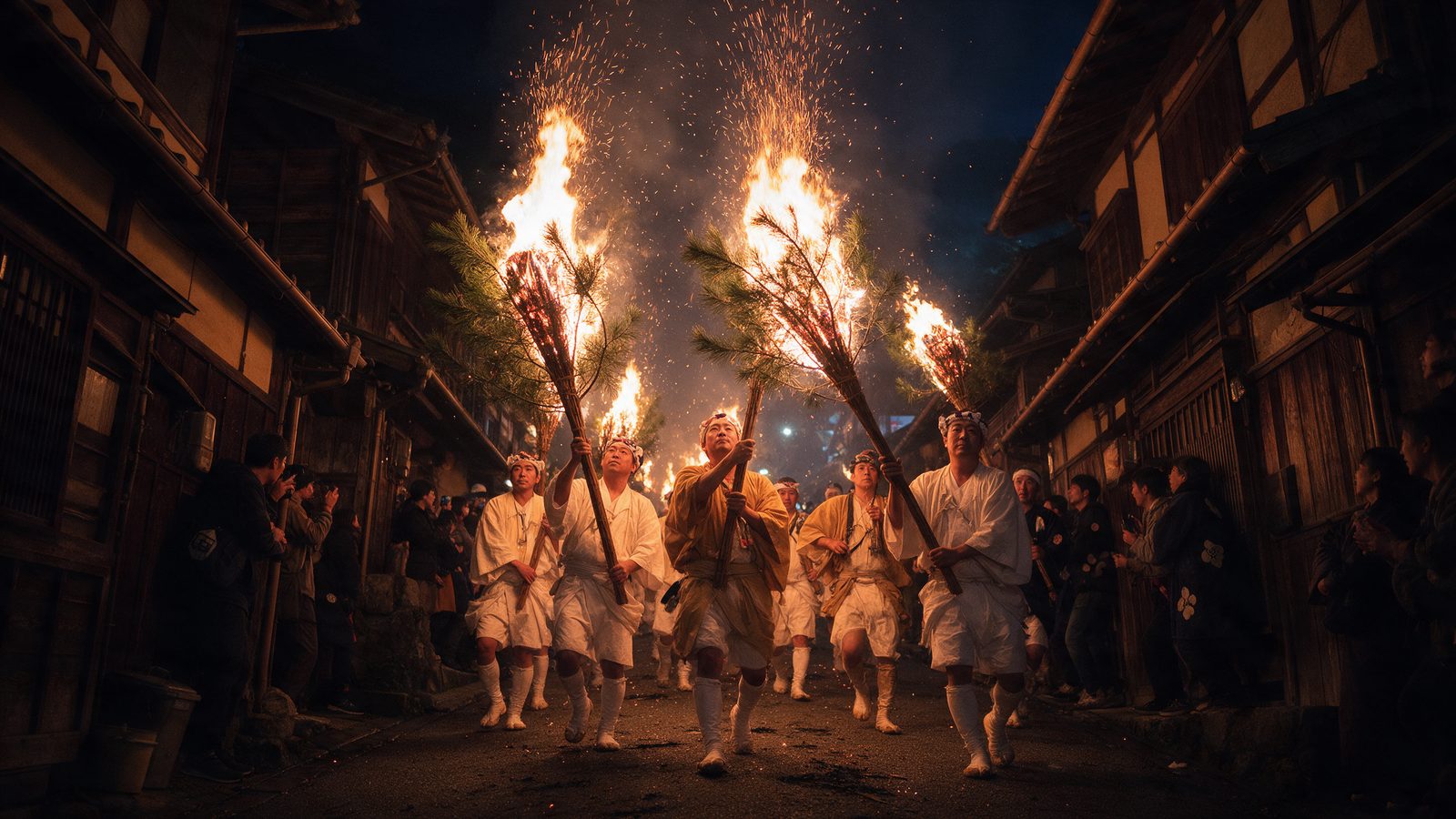
Burning pine torches carried down a single mountain street by men in straw sandals, in a village reached by one small railway that everybody has to leave on at the same time.
When is the Kurama no Hi-matsuri, and how far ahead should it be booked?
Every 22 October, at Kurama, Kyoto. Nine to twelve months, and the pressure is on Kyoto in late October rather than on Kurama itself. Explera handles the itinerary and concierge layer for travel agents at net B2B rates.
Last updated: 13 September 2026
Kurama no Hi-matsuri, from an operator's side.
On the evening of 22 October the village of Kurama, in the hills north of Kyoto, lines its one street with braziers and carries huge burning pine torches up to Yuki Shrine. The scale is startling and the proximity is the point — the torches pass close enough to feel, and there is no barrier culture here of the kind clients will have met elsewhere in Japan. It is also the single most constrained festival access in the Kyoto region: one narrow valley, one small railway line, a pedestrian system that becomes one-way under police control, and a last train that concentrates the entire crowd into a short window.
- The village is served by one minor railway with limited capacity, and on this night the return journey is a managed queue rather than a train ride — clients need to be told that before they agree to go.
- The street is narrow, crowd control is directional, and once clients are in a section they stay in it; a position chosen casually is a position held for hours.
- Jidai Matsuri falls on the same date in central Kyoto, so an itinerary that wants both is running a full afternoon in the city and a mountain evening back to back, with no slack between them.
The concierge layer around the date.
We do not sell the event. We build the itinerary that makes attending it worth a long-haul flight, and we run the concierge detail that decides whether the client remembers the day or the queue.
- An honest plan for the return leg, built and agreed before the day rather than discovered on a platform at midnight
- A viewing position chosen for the torch route and the exit together, since the two cannot be decided separately here
- Private vehicle staged at the nearest workable road point, with the walking sections timed against the police control
- A same-day Jidai Matsuri programme for clients who want both, or a clear recommendation to choose one — which is the advice we give more often
Basing decides the file.
Northern Kyoto, as close to the Eizan line as the inventory allows, because the return at the end of the night is the part of this file most likely to go wrong and every kilometre saved is worth more than a better address. Clients who insist on a central hotel should understand that the last stretch home will be long and slow.
When to start.
Nine to twelve months, and the pressure is on Kyoto in late October rather than on Kurama itself. The village sells nothing; what needs holding is the room, the vehicle and a realistic plan, and late October Kyoto is booked out by autumn colour demand regardless of the festival.
Kurama no Hi-matsuri — what agents ask.
When is the Kurama Fire Festival?
Every year on 22 October, in the village of Kurama in the hills north of Kyoto. The torches are carried through the village in the evening and up to Yuki Shrine, with the main activity continuing into the night.
What is the hardest part of attending?
Leaving. Kurama is served by a single small railway line and the whole crowd departs within the same short window, under police-managed pedestrian control. The return journey is the part of the evening that decides whether clients remember the fire or the queue.
Can clients do Jidai Matsuri and Kurama on the same day?
It is possible, and it is a long day with no margin. Jidai Matsuri runs through the afternoon in central Kyoto and Kurama runs into the night an hour away. Both can be done with a planned transfer; for older or less mobile clients we recommend choosing one.
Is it suitable for every client?
No, and it is worth saying so early. There is standing, walking on uneven ground, dense directional crowds, open flame at close range and a late finish. Clients who want the spectacle without that should be steered to a different October evening rather than talked into this one.
Programmes built around this.

The Golden Route, Properly
Tokyo, Hakone and Kyoto — the itinerary every operator sells, built so it does not feel like the itinerary every operator sells.

Autumn Colour, Held Loosely
Japan's second peak season and the one agents under-price — colour that moves down the country over six weeks, so the trip is built to follow it rather than to sit and wait for it.
Dates worth building a trip around.
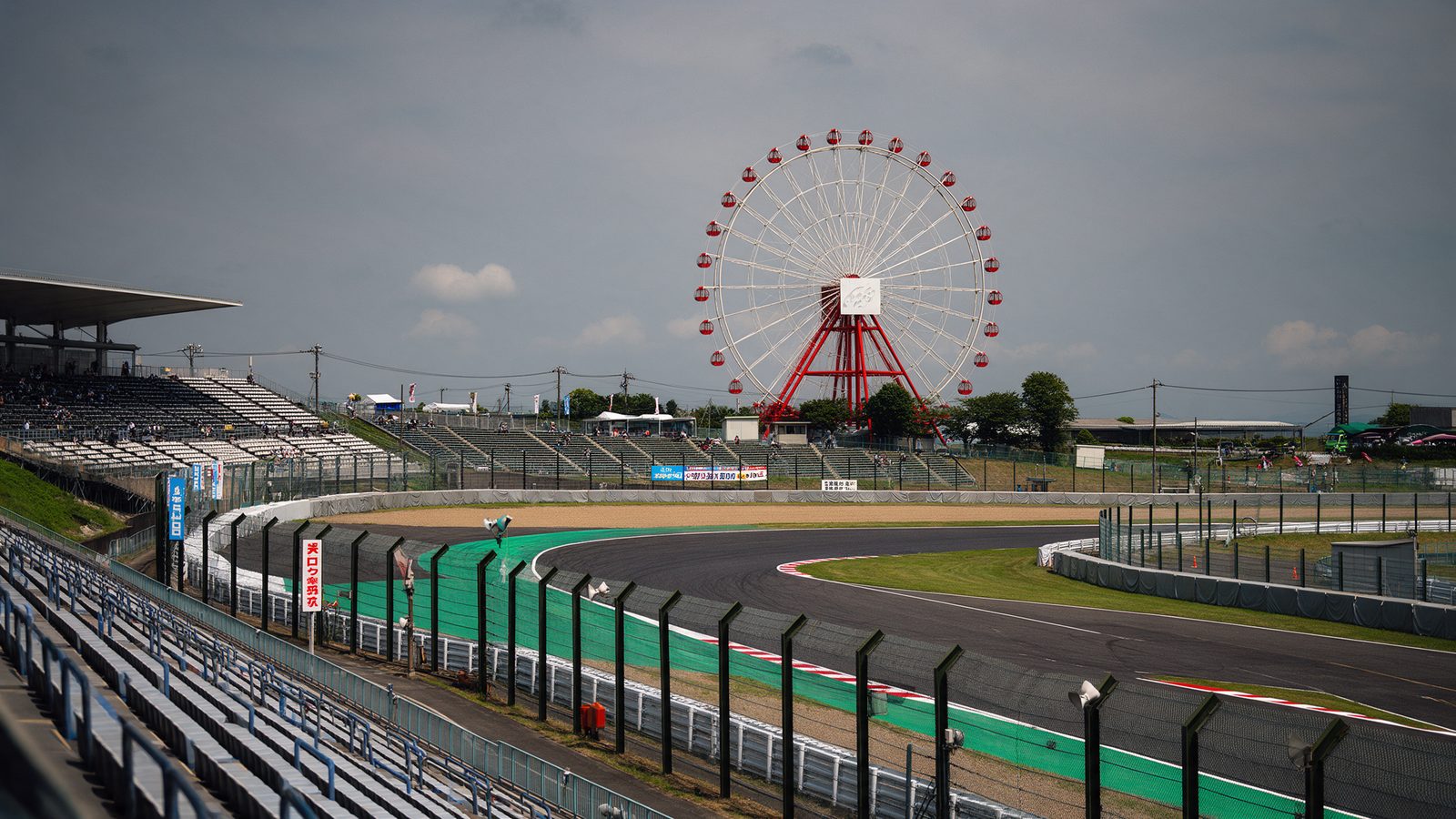
Formula 1 Japanese Grand Prix
Annual · 2027 calendar not yet published · Suzuka Circuit, Mie

MotoGP Japanese Grand Prix
2–4 October 2026 · Mobility Resort Motegi, Tochigi
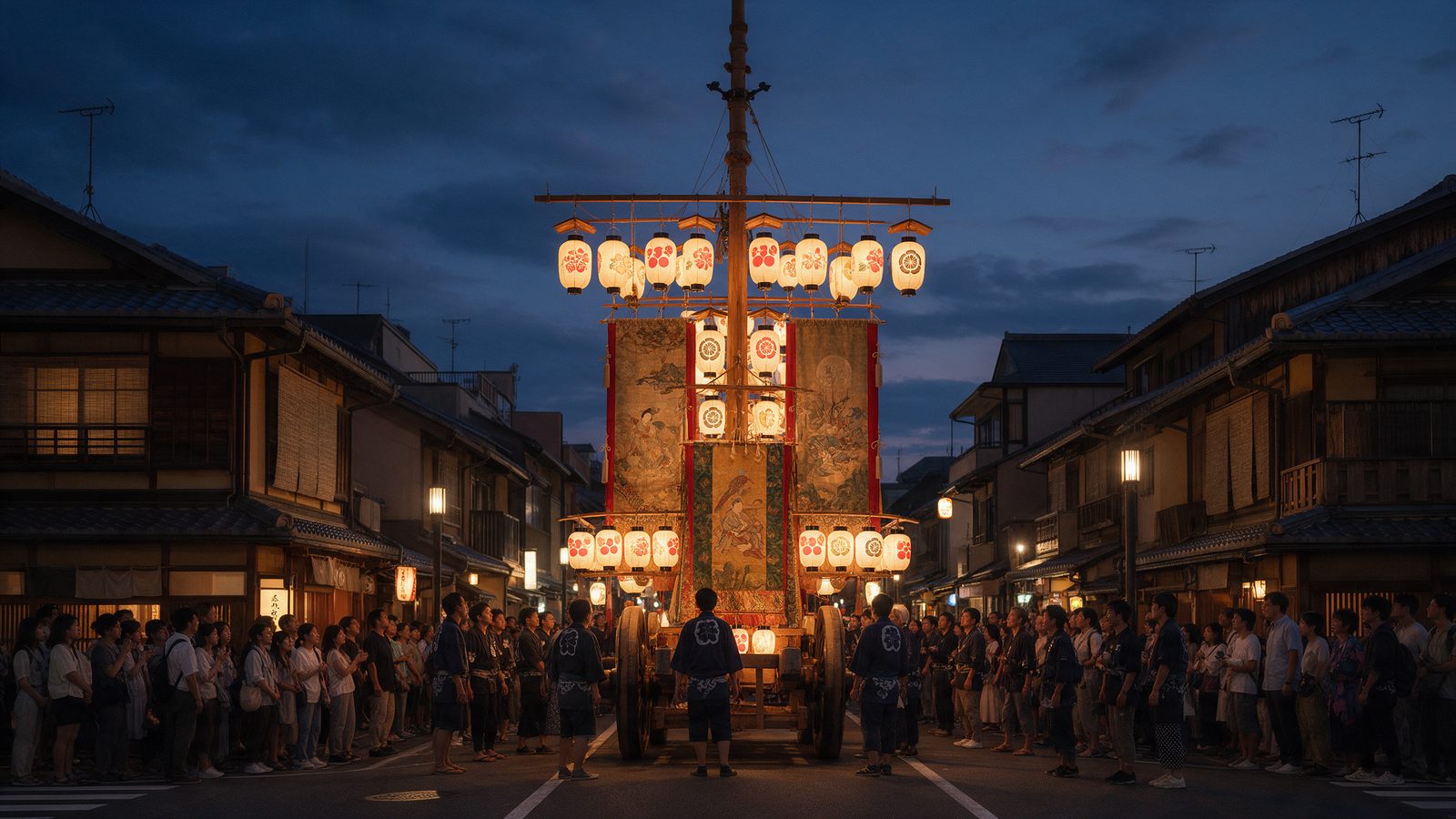
Gion Matsuri
Every July · parades 17 and 24 July · Kyoto
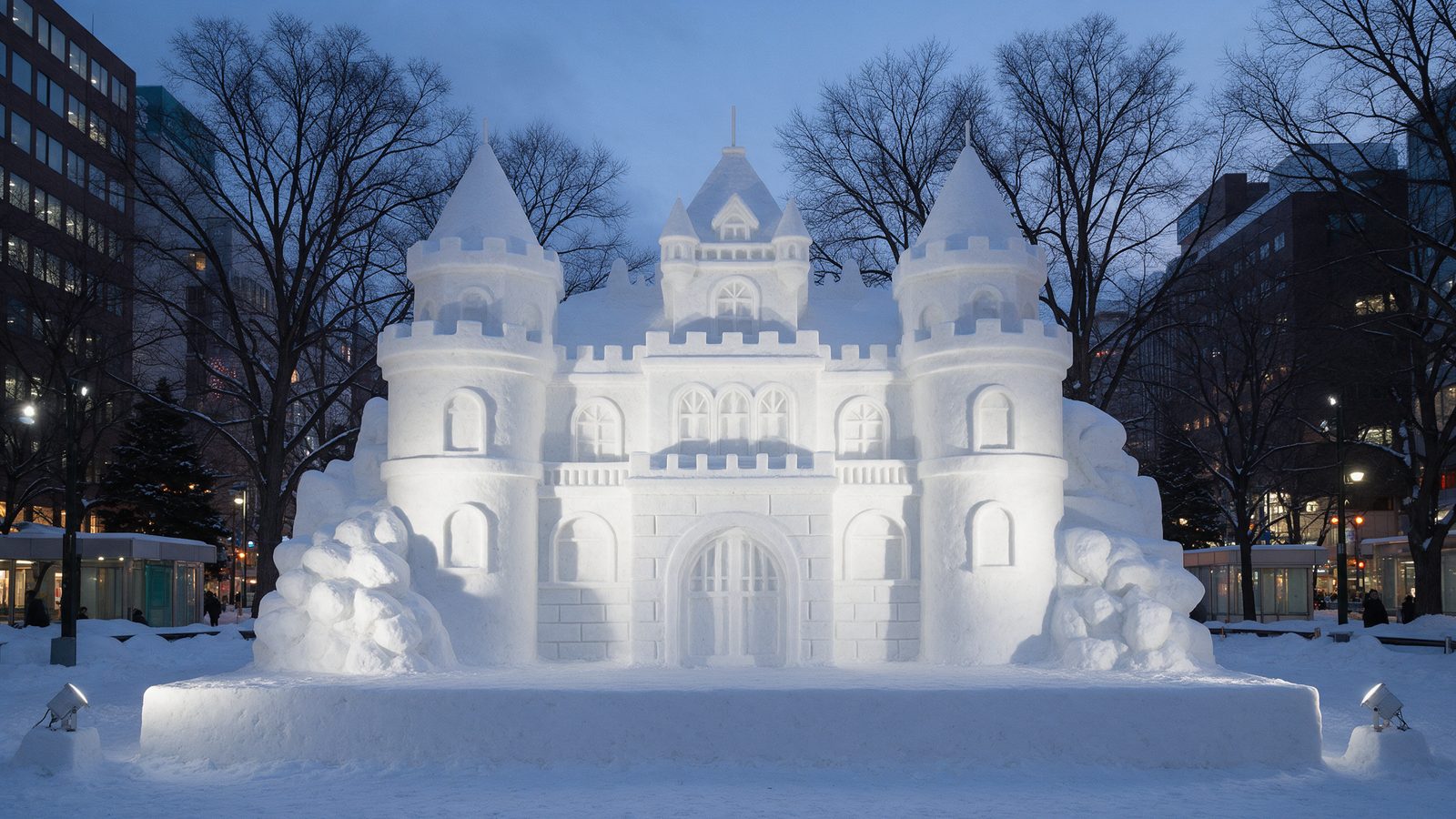
Sapporo Snow Festival
4–11 February 2027 · Sapporo, Hokkaido

Grand Sumo Tournaments
Six tournaments a year · January, March, May, July, September, November · Tokyo, Osaka, Nagoya and Fukuoka
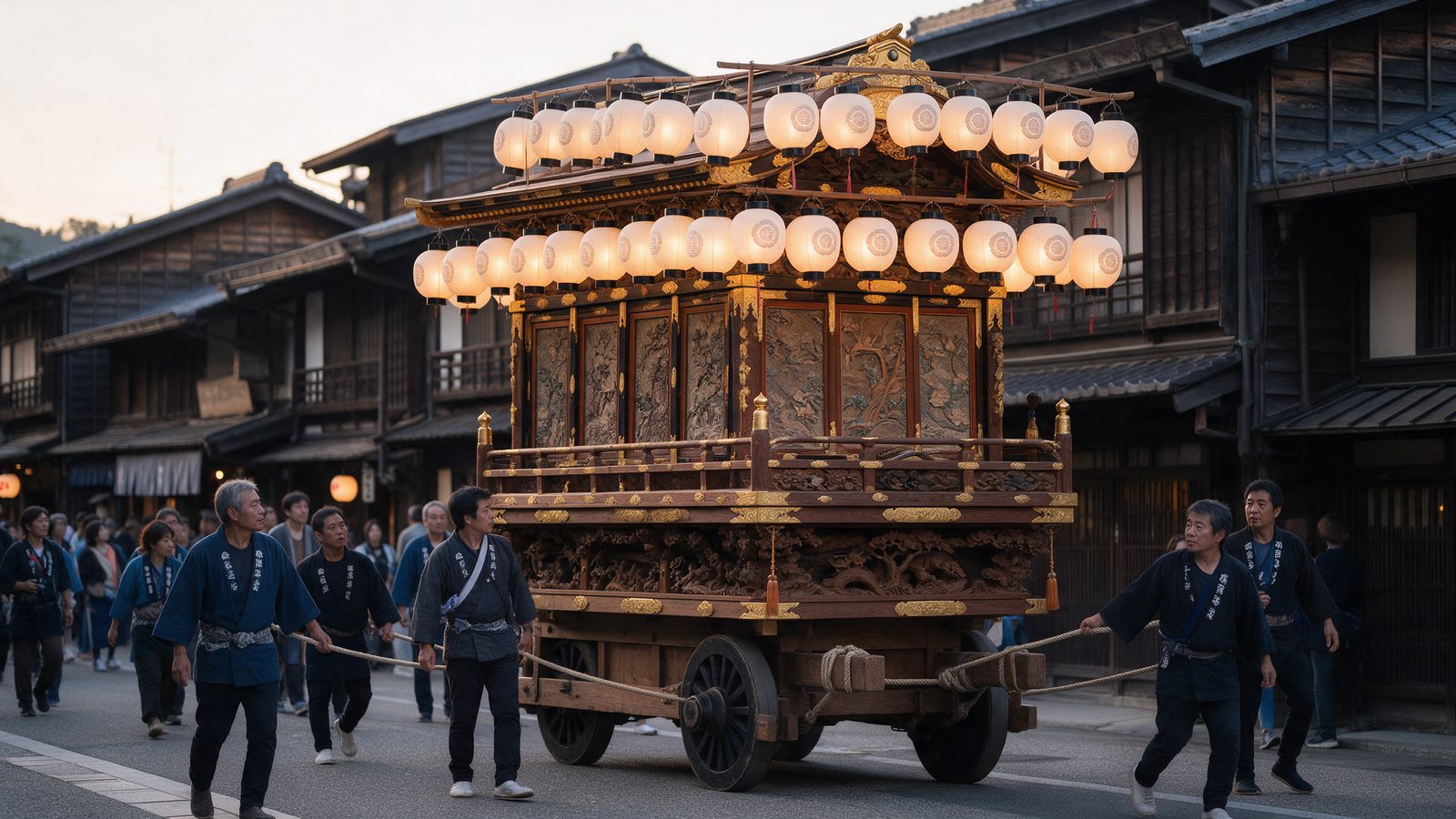
Takayama Matsuri
Spring 14–15 April · autumn 9–10 October · Takayama, Gifu
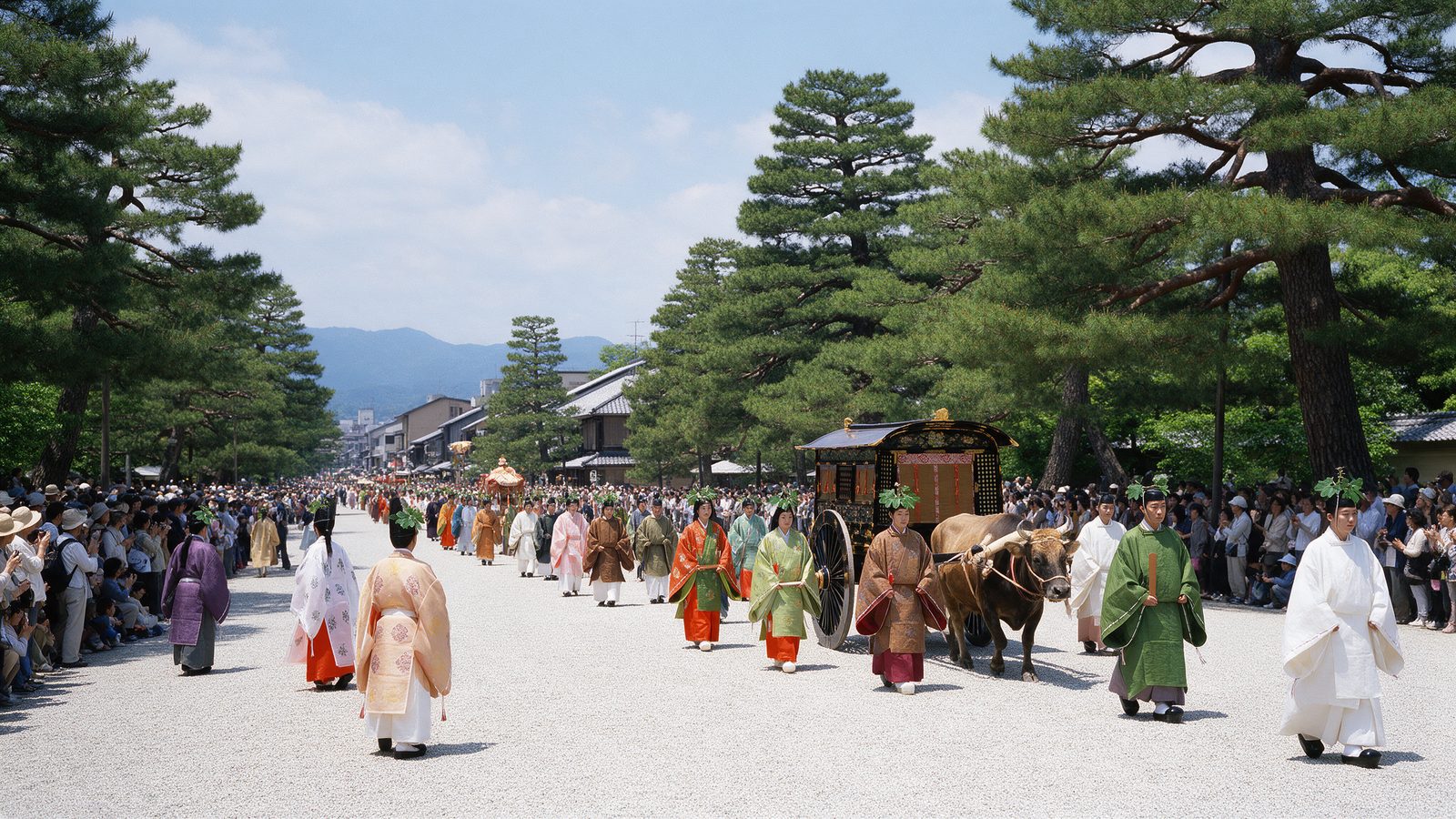
Aoi Matsuri
Every 15 May · Kyoto
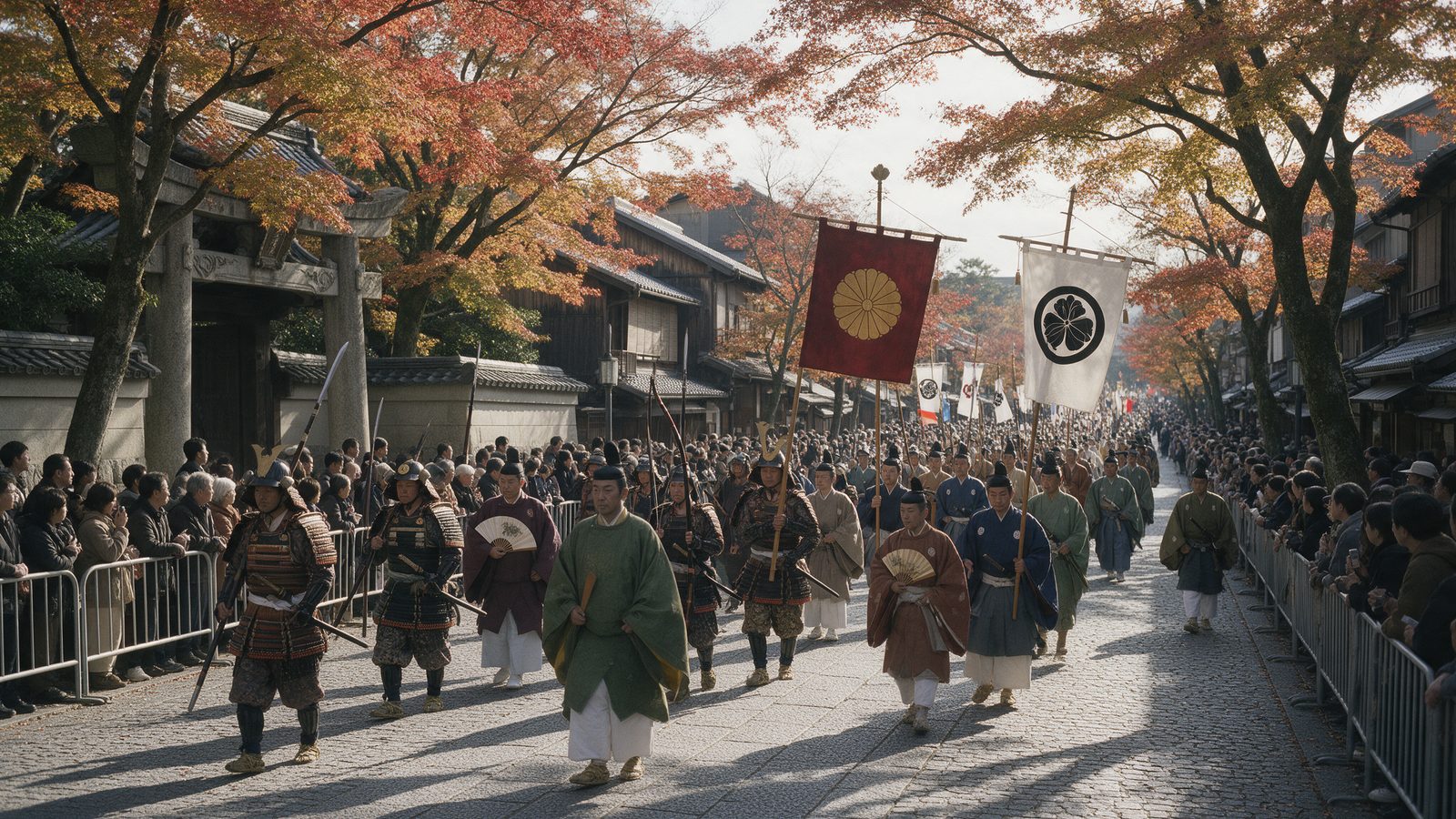
Jidai Matsuri
Every 22 October · Kyoto
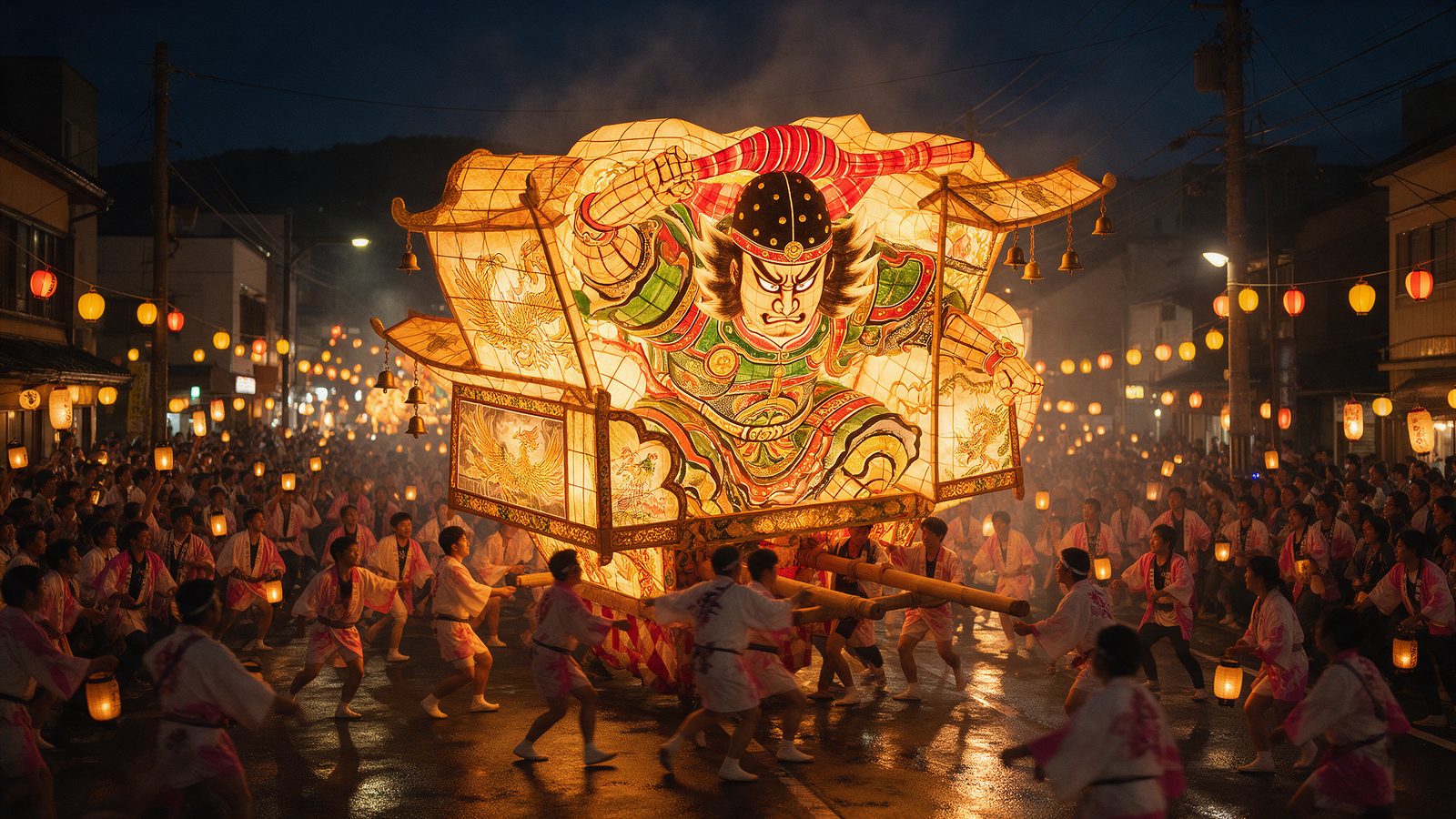
Nebuta Matsuri
Every 2–7 August · Aomori
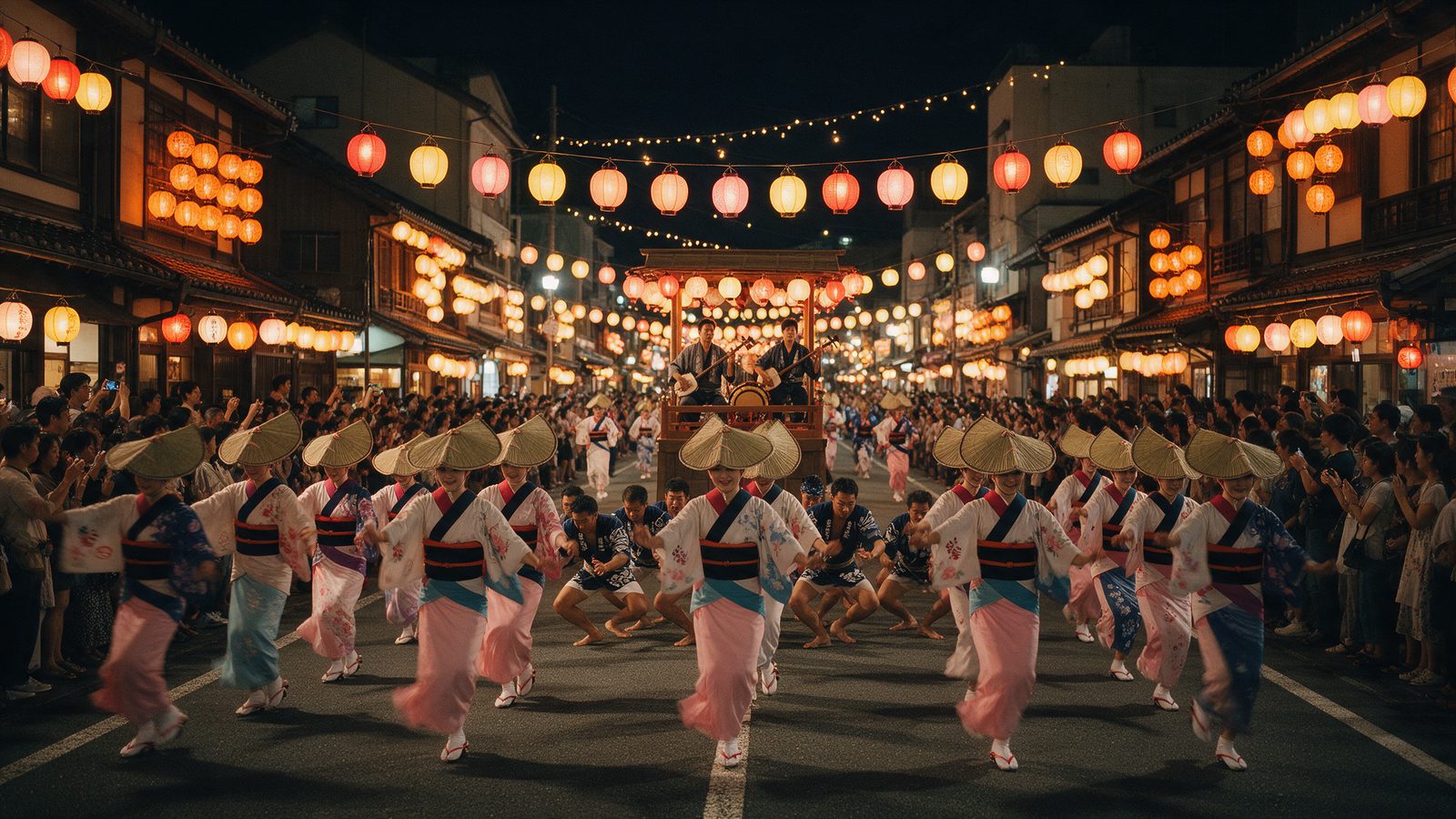
Awa Odori
Every 12–15 August · Tokushima, Shikoku
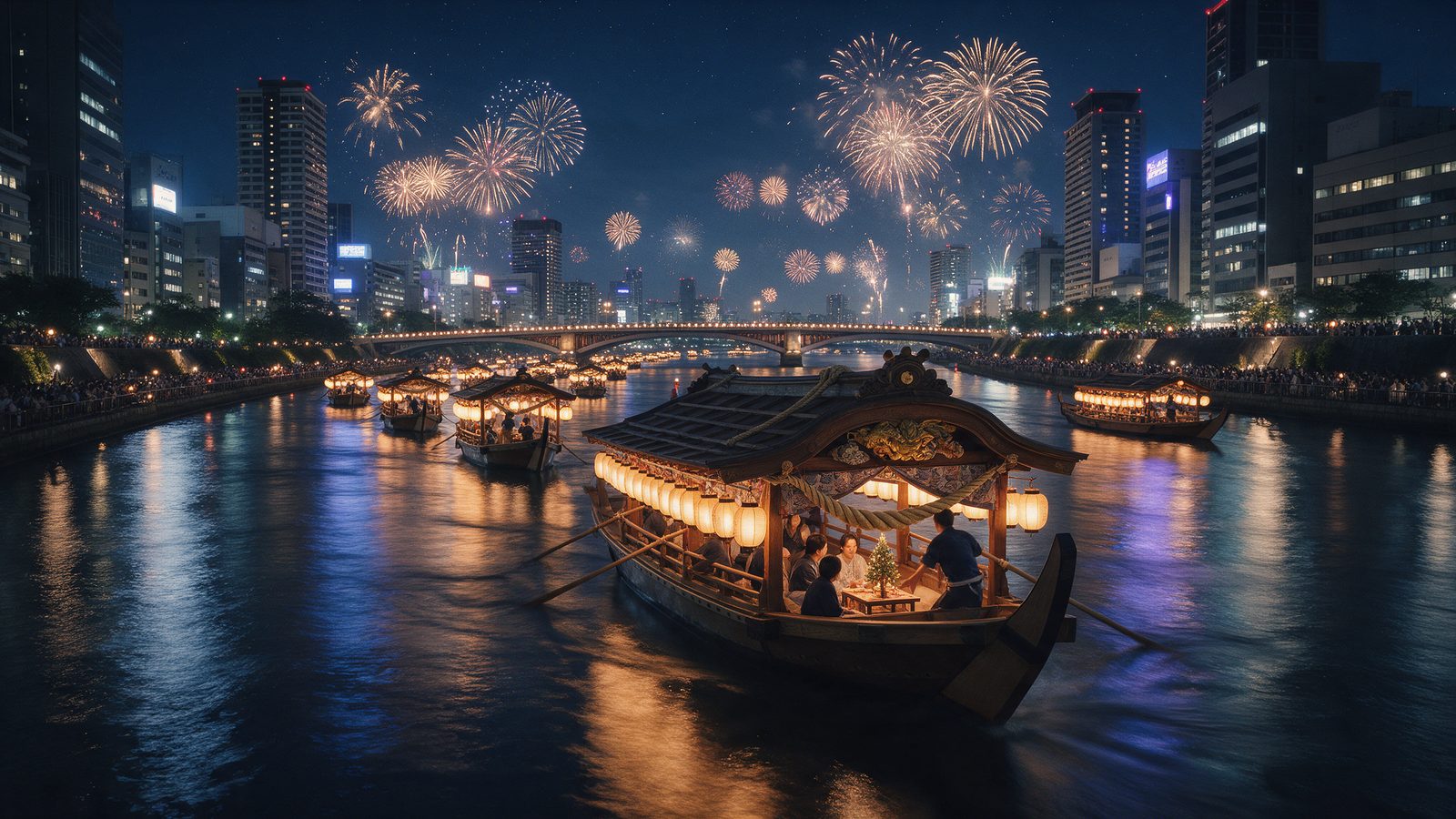
Tenjin Matsuri
Every 24-25 July · Osaka
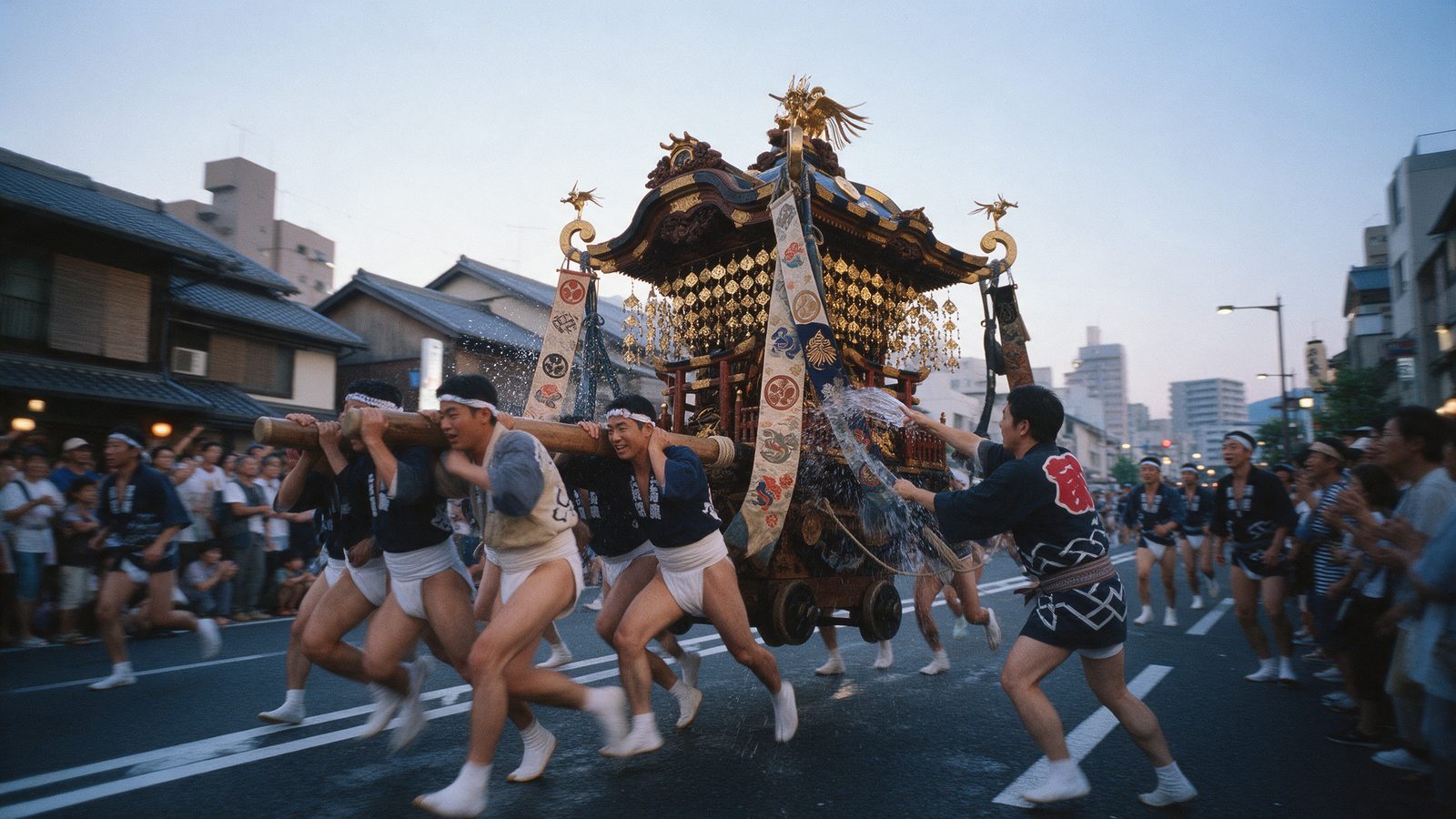
Hakata Gion Yamakasa
Every 1-15 July · finale 15 July · Fukuoka
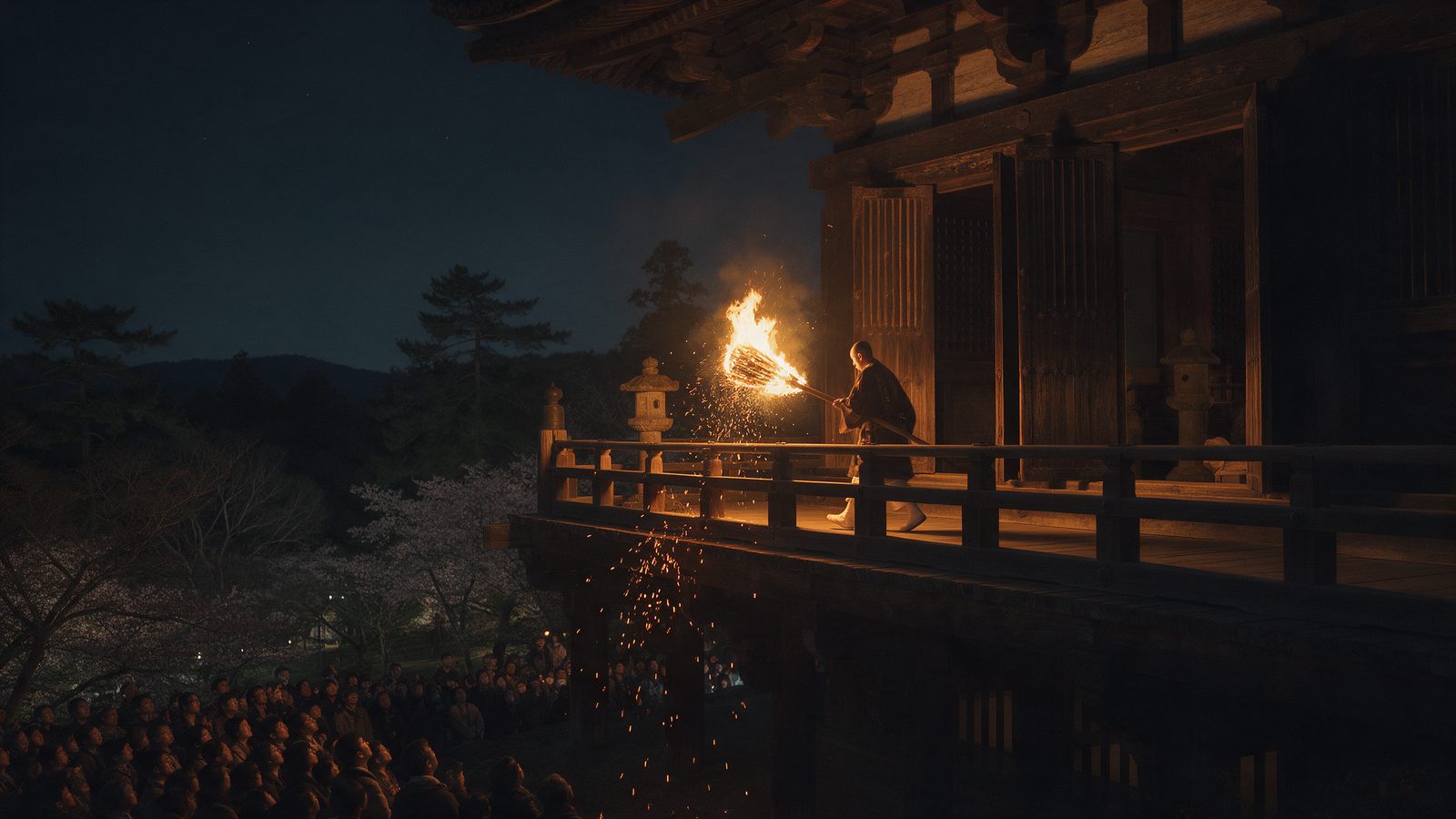
Omizutori
Every 1-14 March · Nara
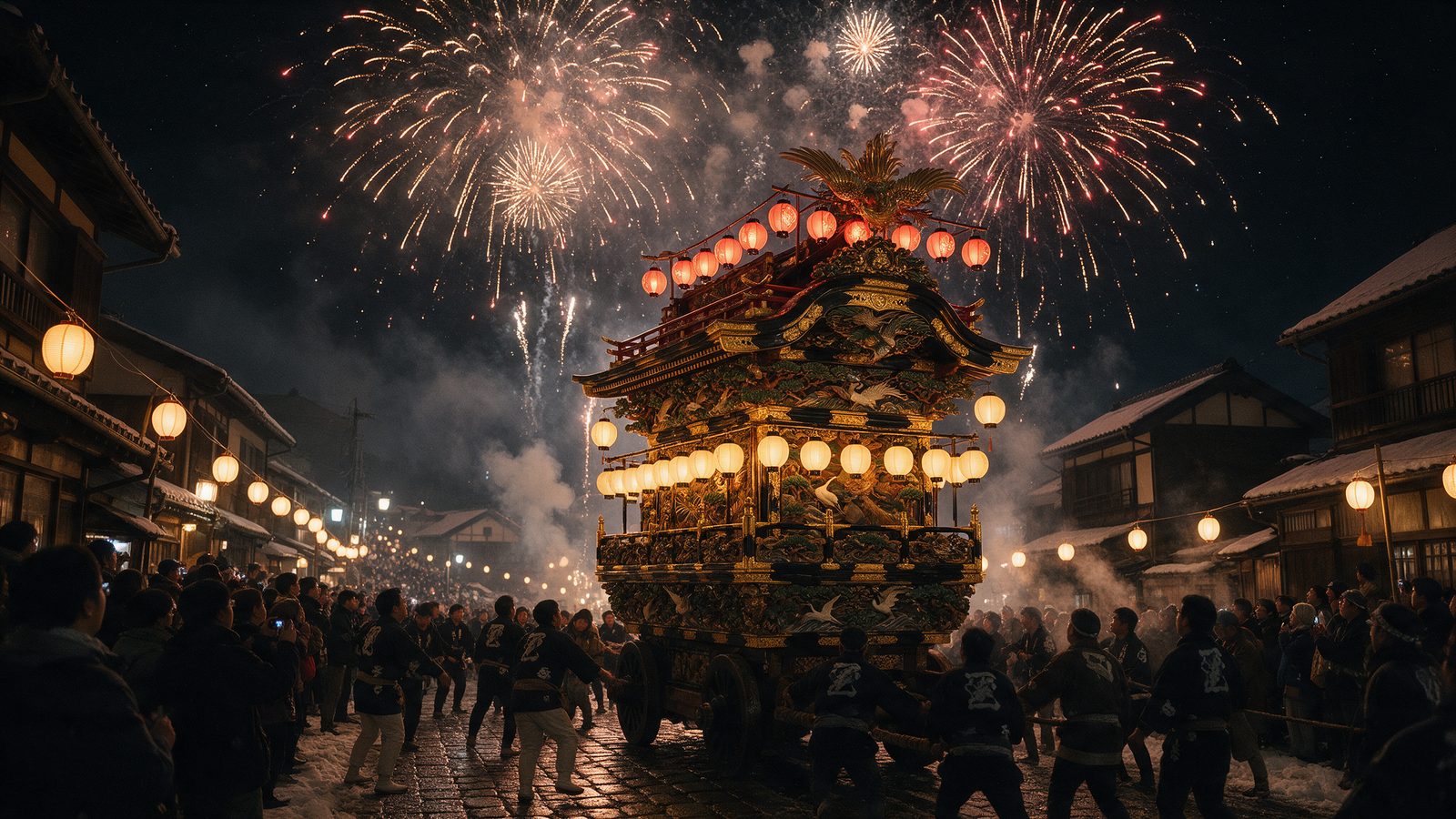
Chichibu Yomatsuri
Every 2-3 December · Chichibu, Saitama
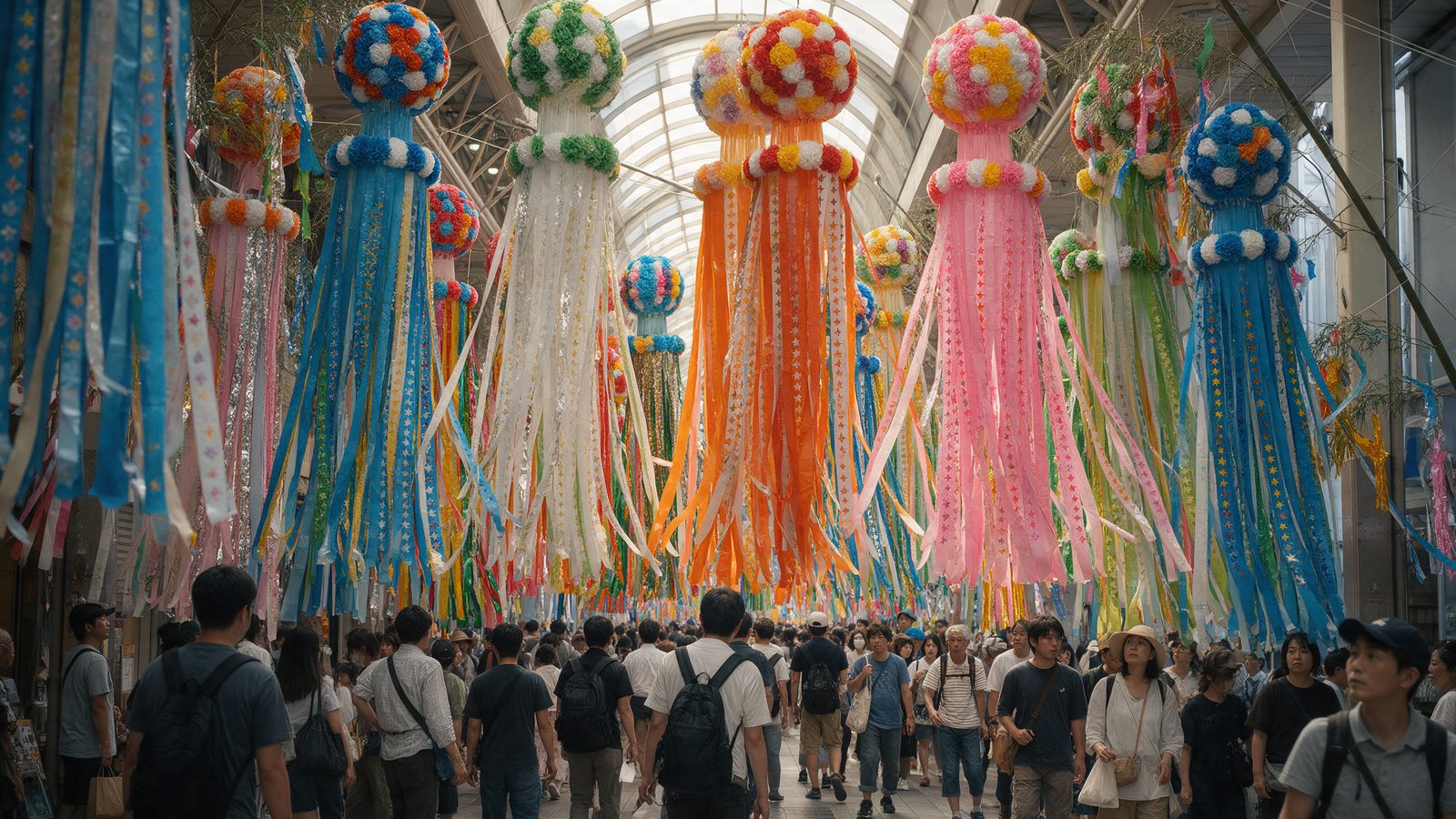
Sendai Tanabata Matsuri
Every 6-8 August · Sendai, Miyagi
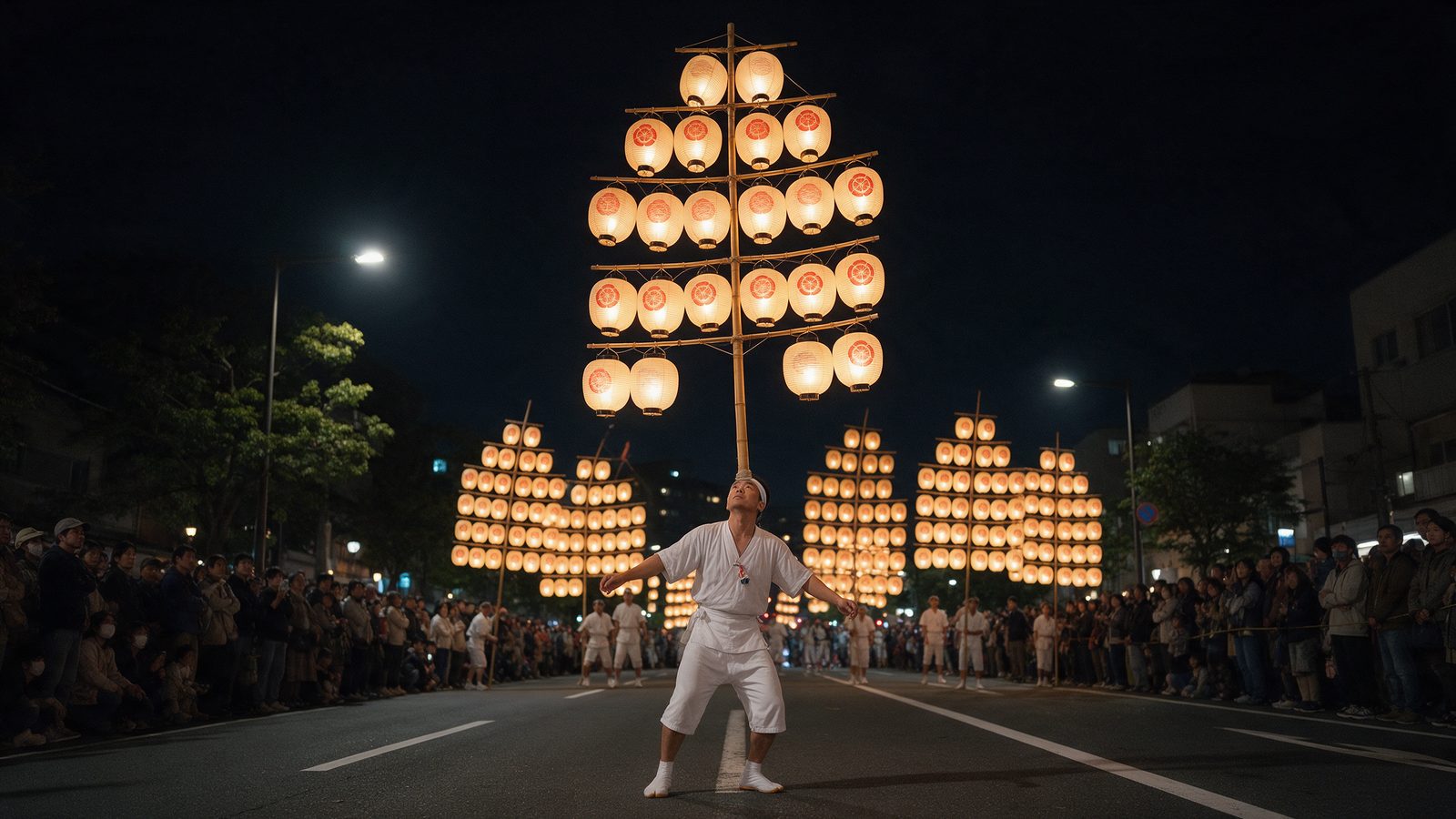
Akita Kanto Matsuri
Every 3-6 August · Akita
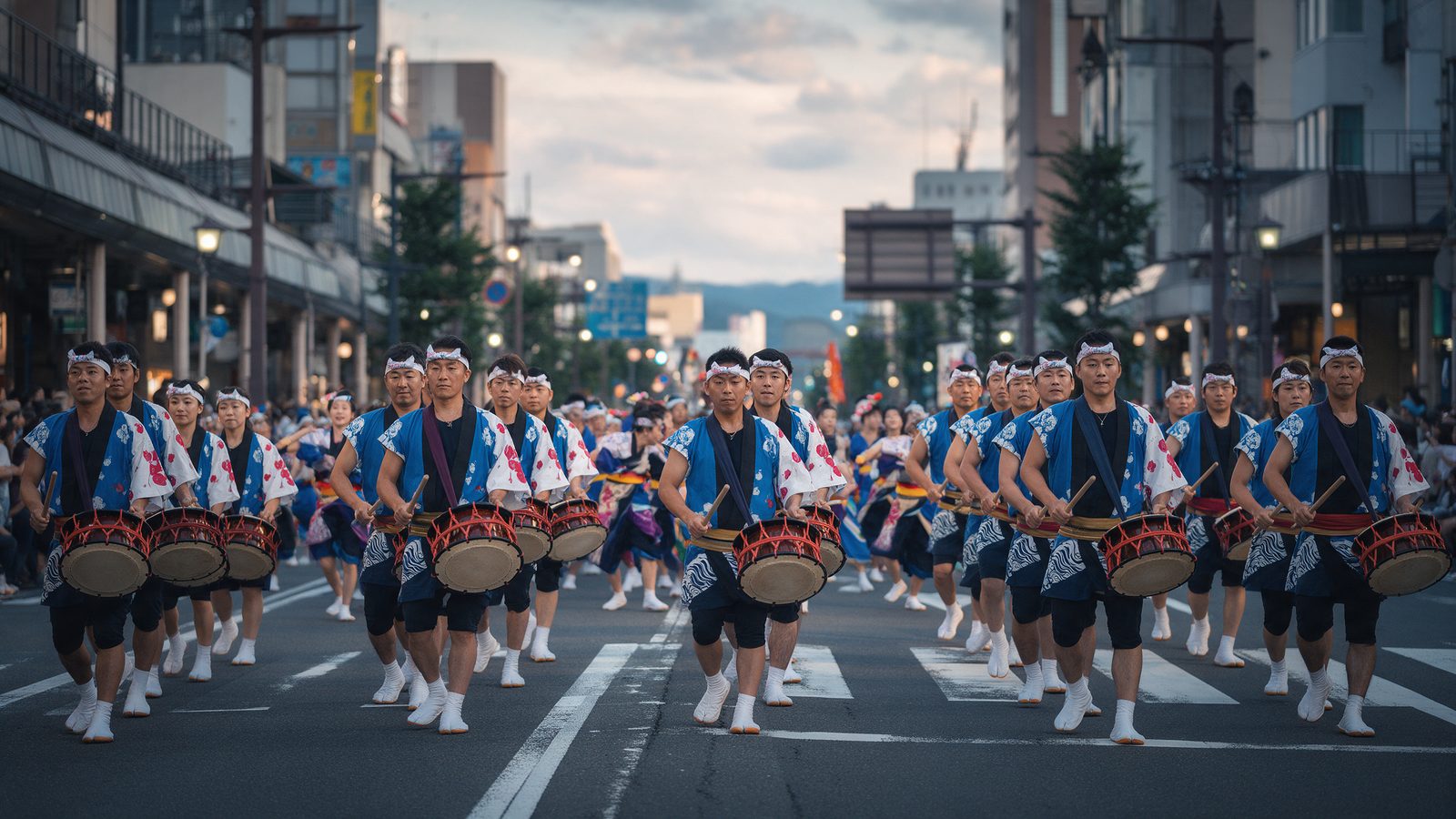
Morioka Sansa Odori
Every 1-4 August · Morioka, Iwate
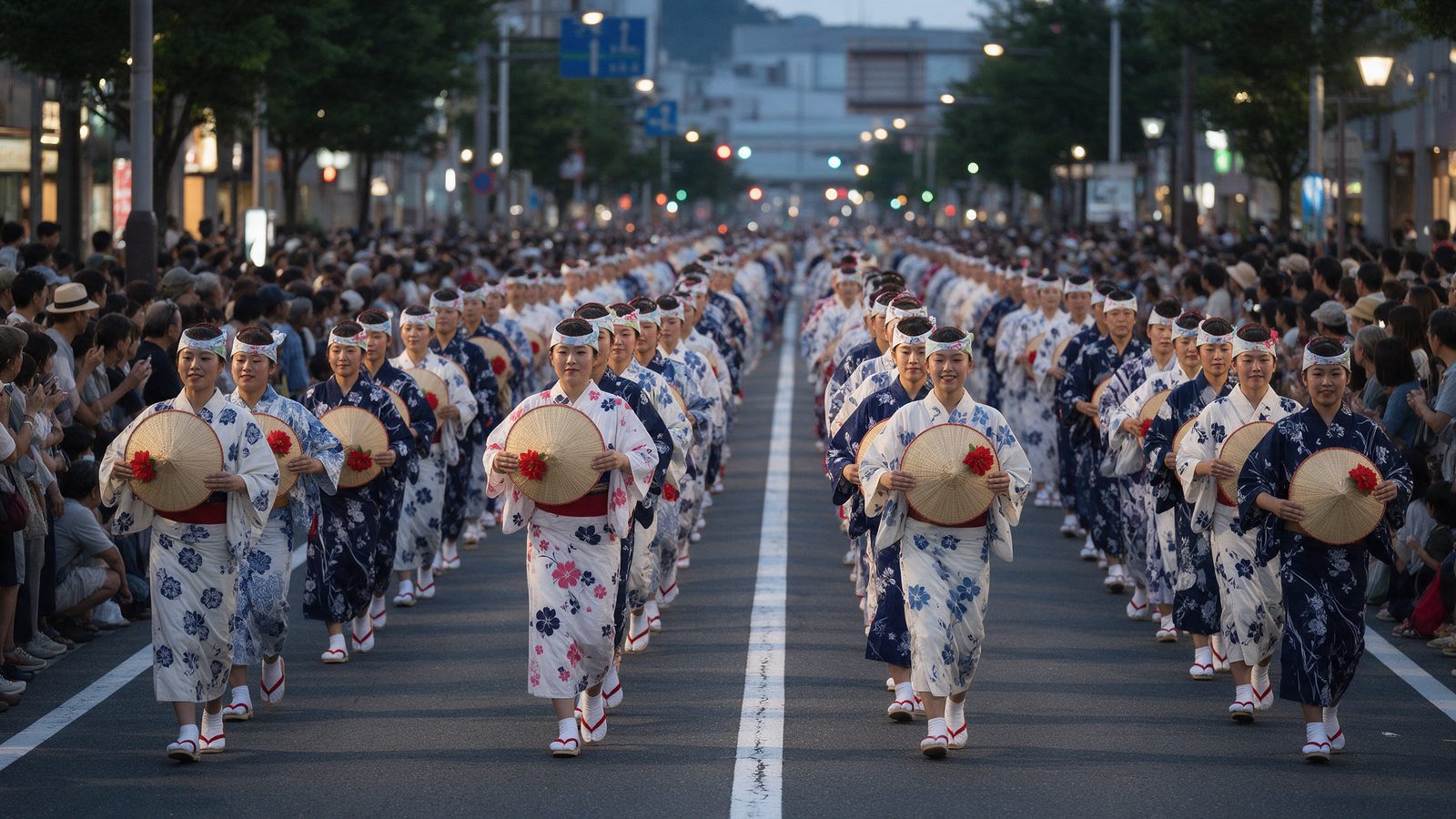
Yamagata Hanagasa Matsuri
Every 5-7 August · Yamagata
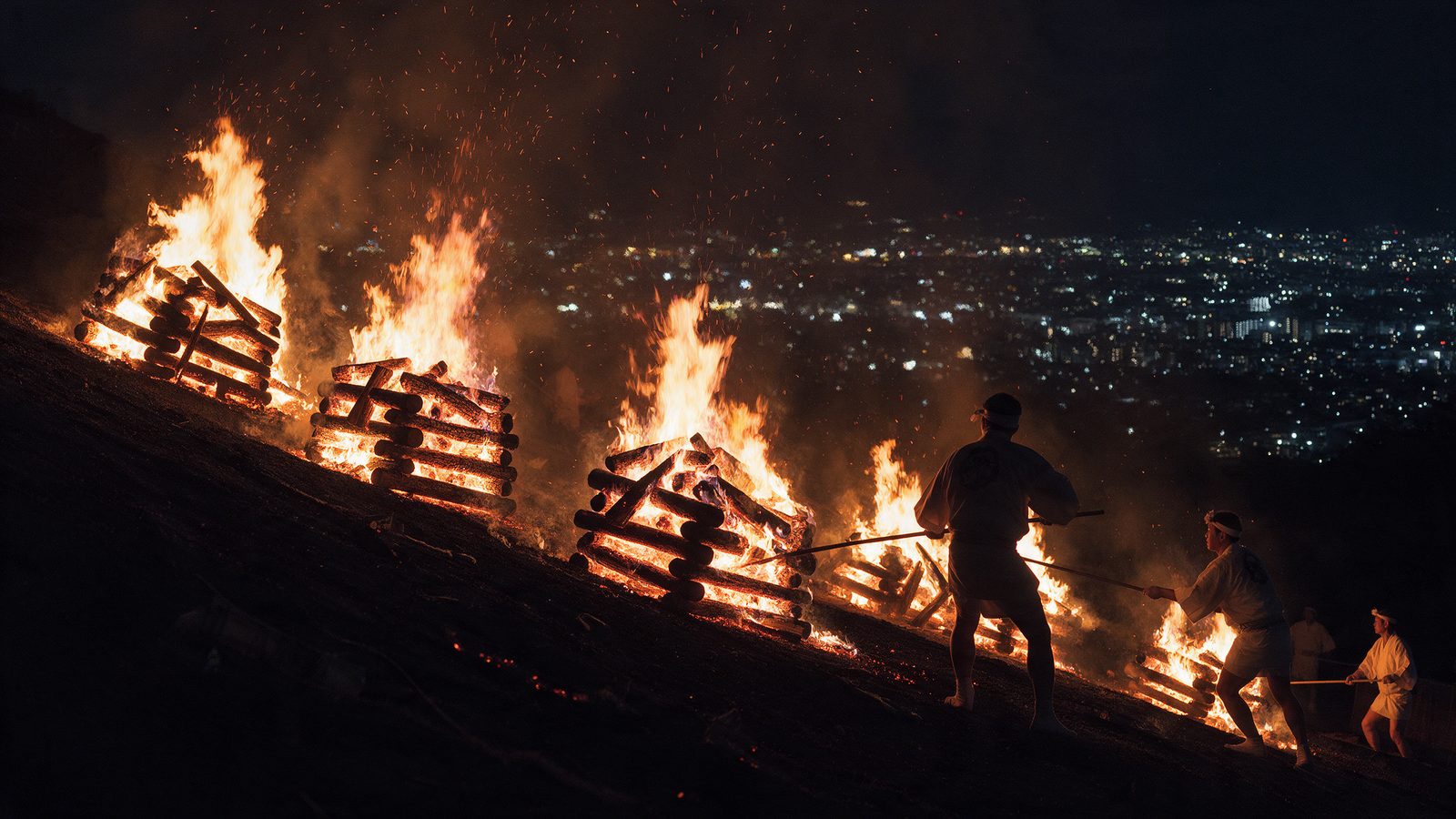
Gozan no Okuribi
Every 16 August · Kyoto
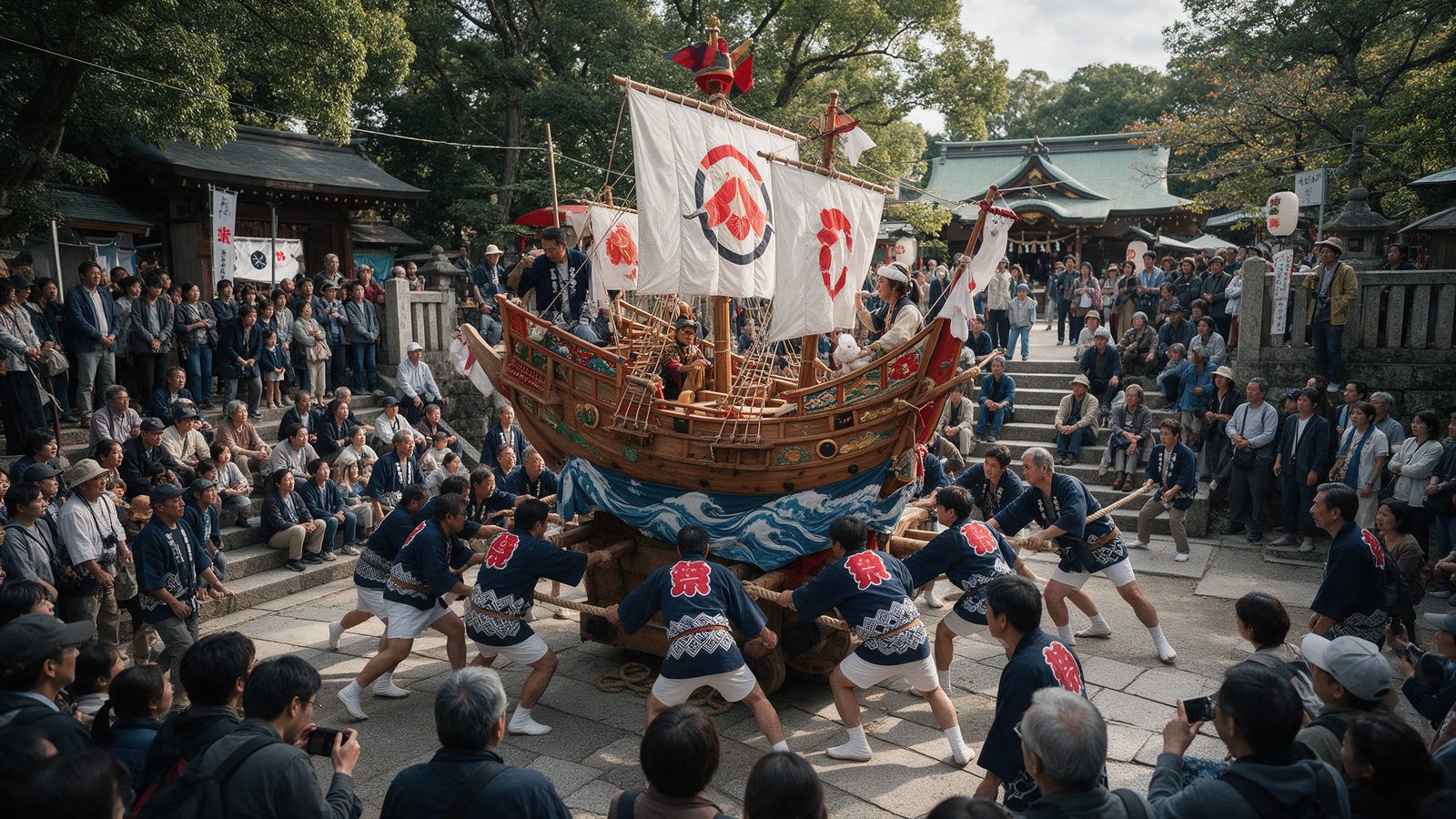
Nagasaki Kunchi
Every 7-9 October · Nagasaki
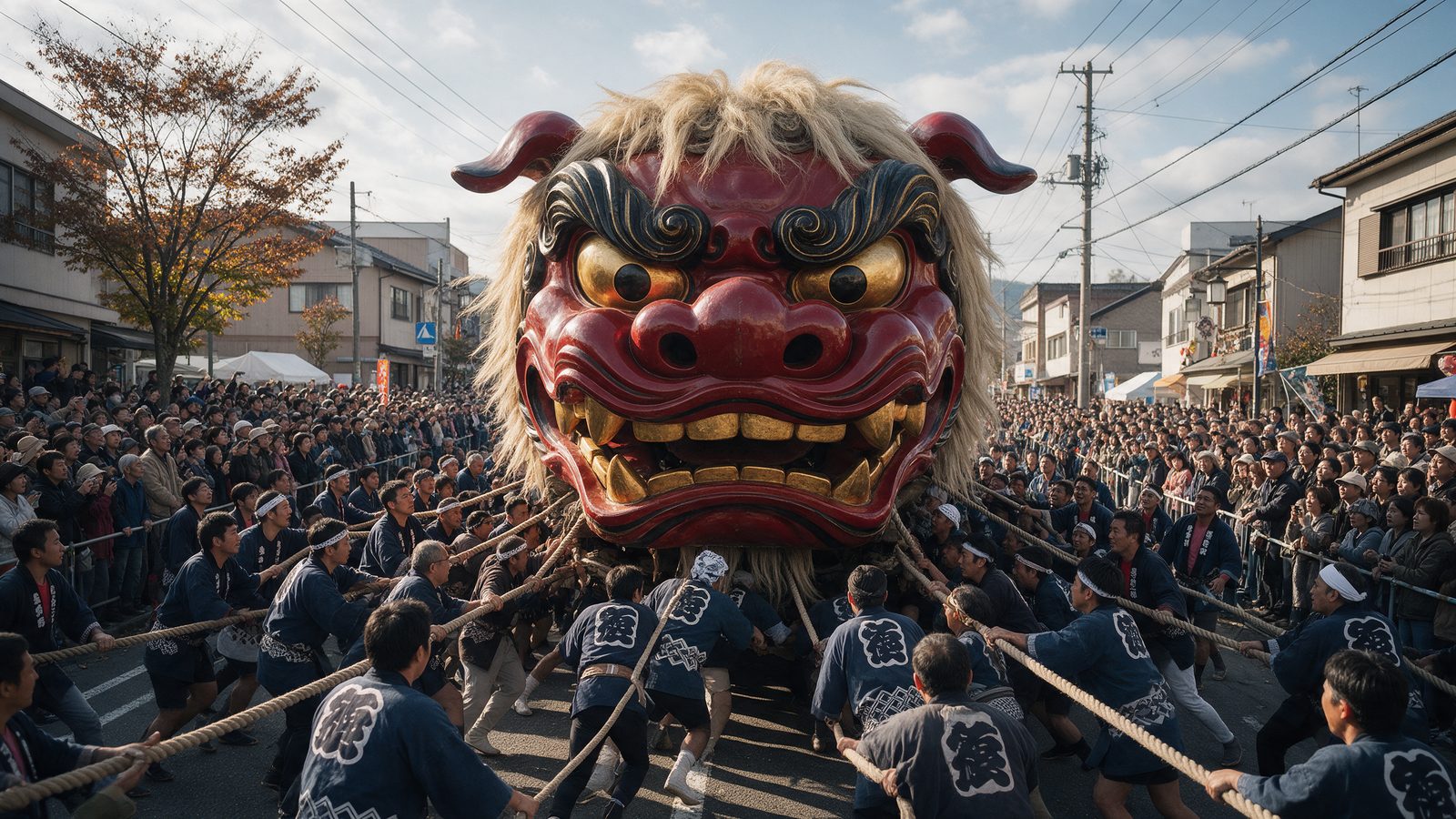
Karatsu Kunchi
Every 2-4 November · Karatsu, Saga
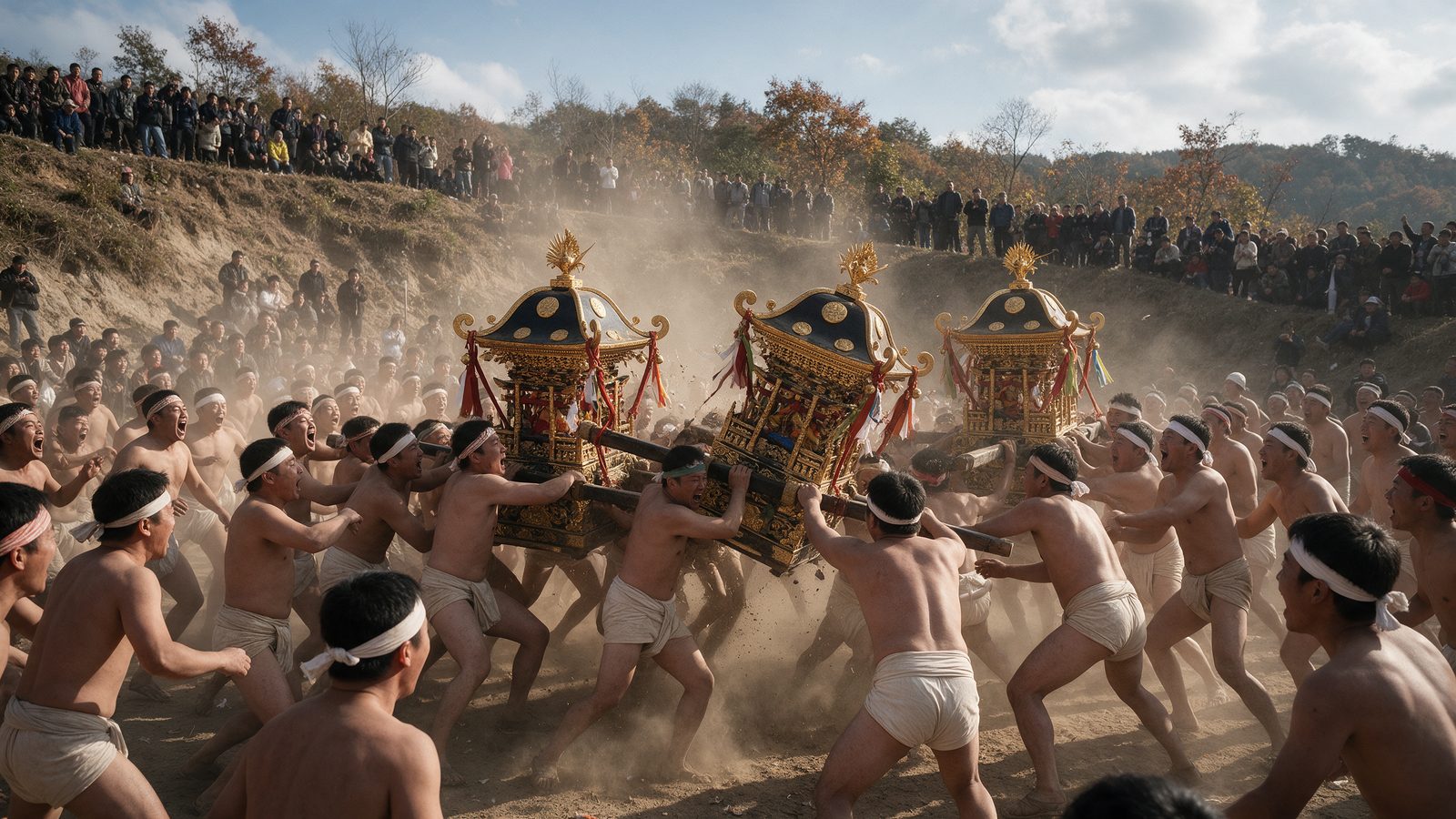
Nada no Kenka Matsuri
Every 14-15 October · Himeji, Hyogo
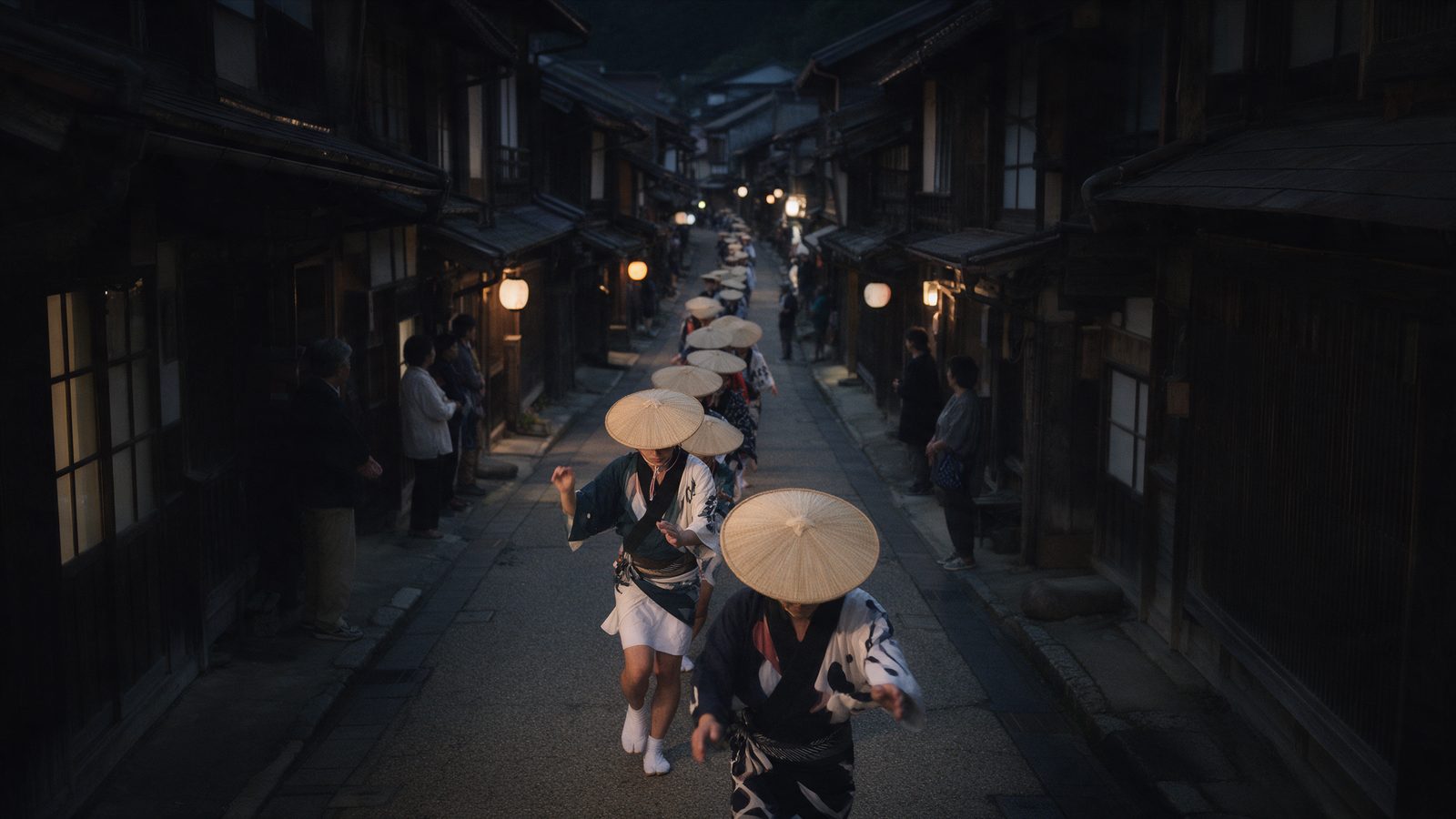
Owara Kaze no Bon
Every 1-3 September · Yatsuo, Toyama
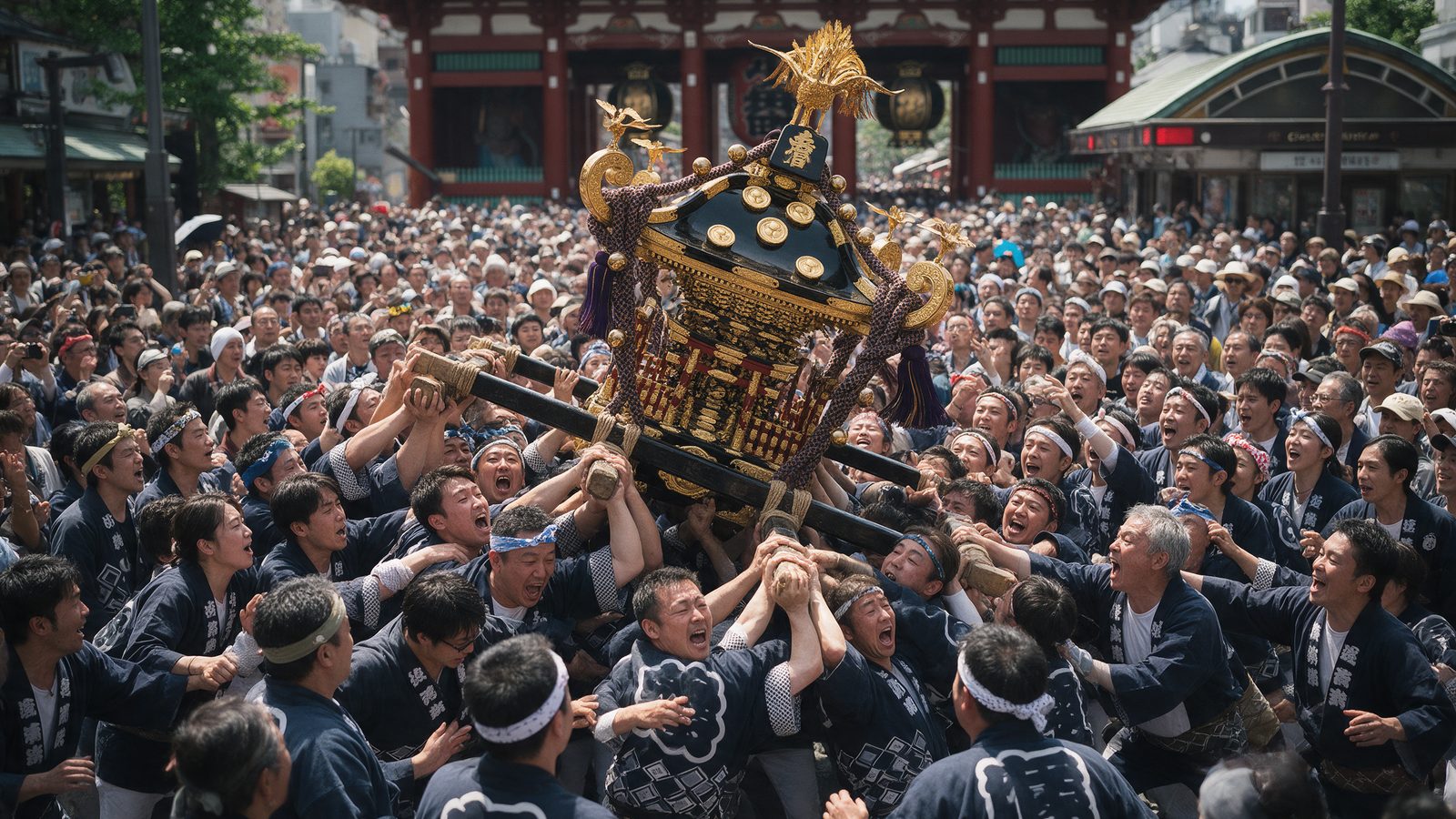
Sanja Matsuri
Every May · third weekend · Asakusa Shrine, Tokyo
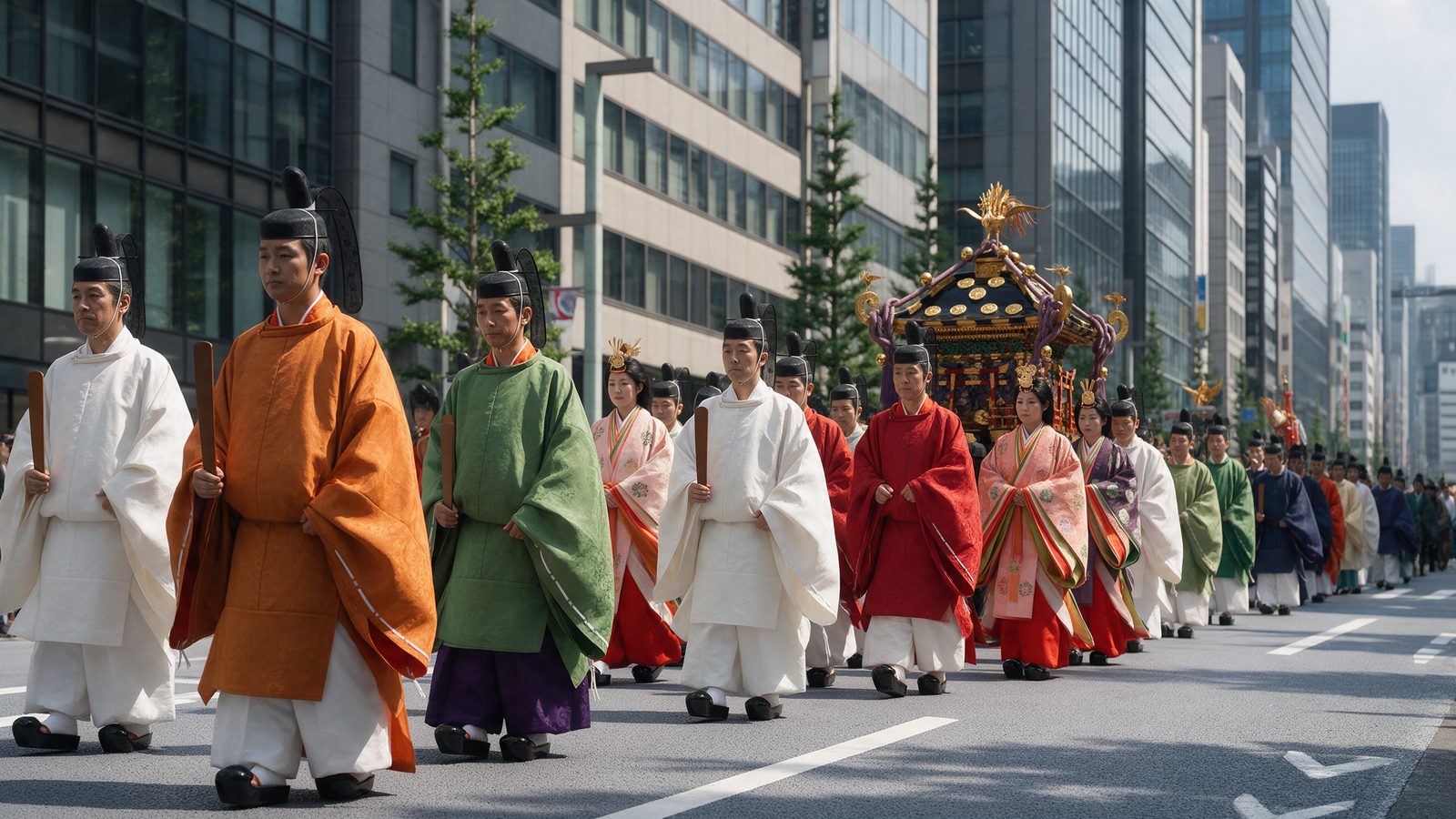
Kanda Matsuri
Odd-numbered years · mid-May · Kanda Myojin, Tokyo
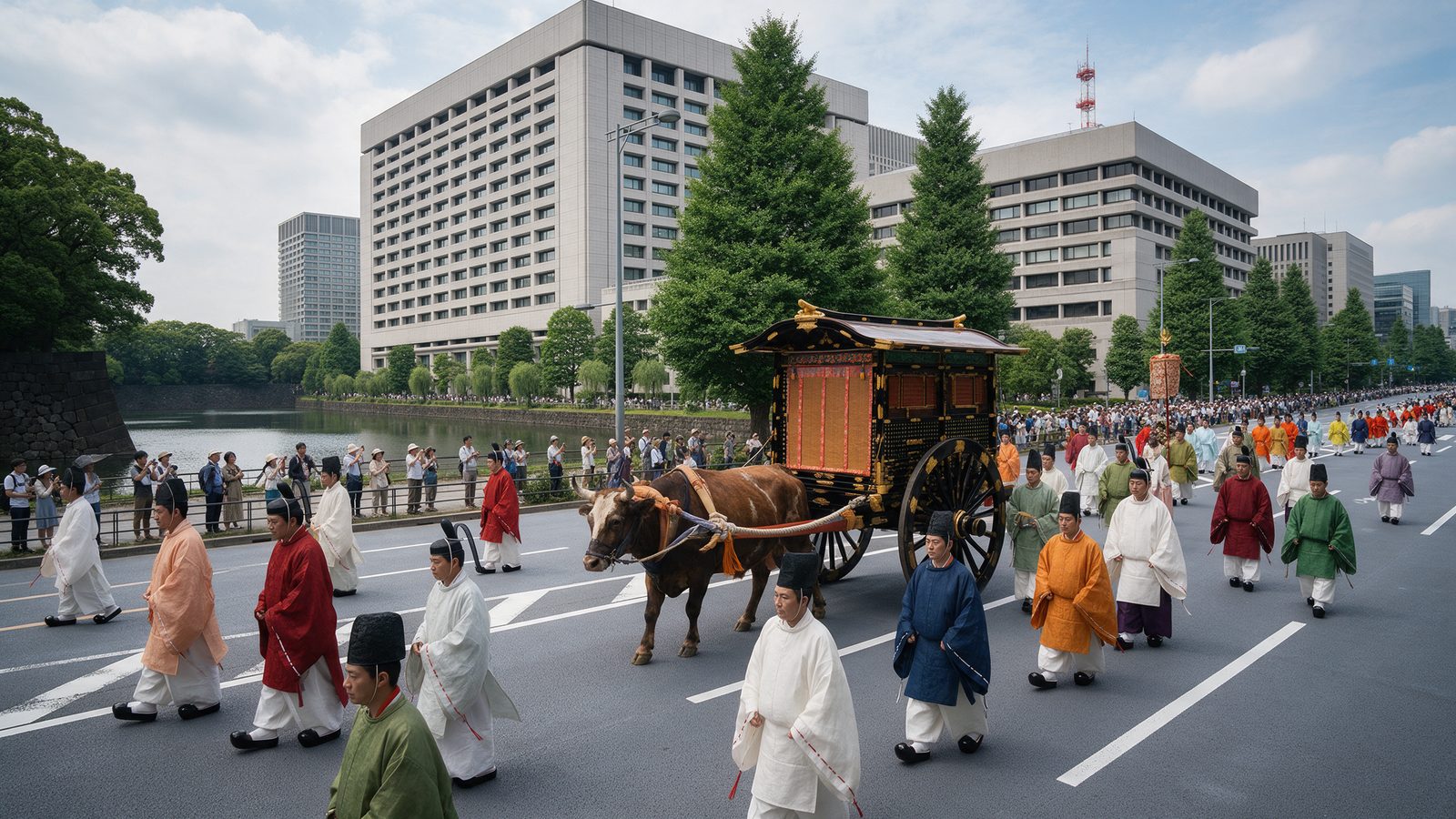
Sanno Matsuri
Even-numbered years · mid-June · Hie Shrine, Tokyo
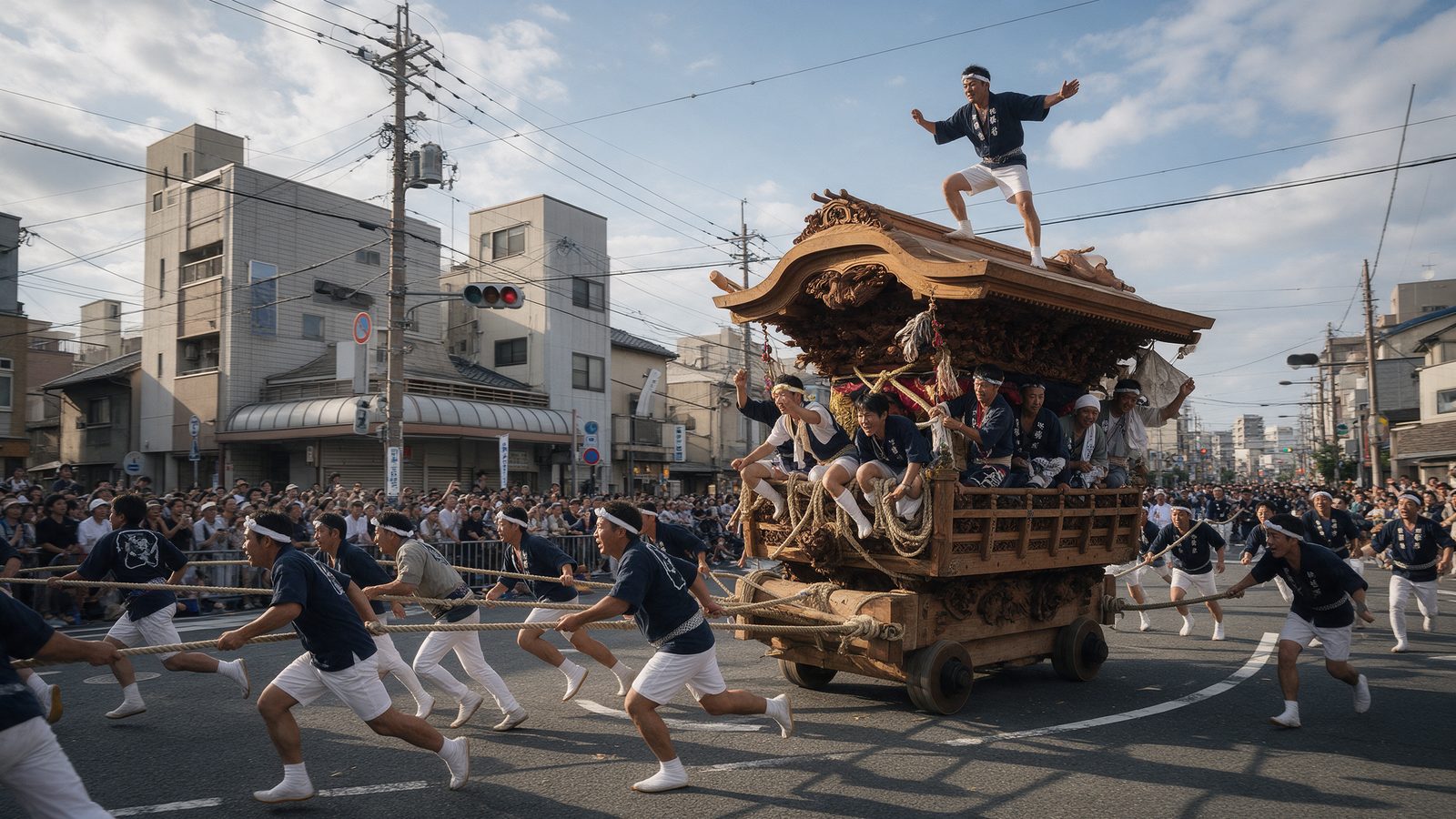
Kishiwada Danjiri Matsuri
Every September · a weekend · some districts also run in October · Kishiwada, Osaka
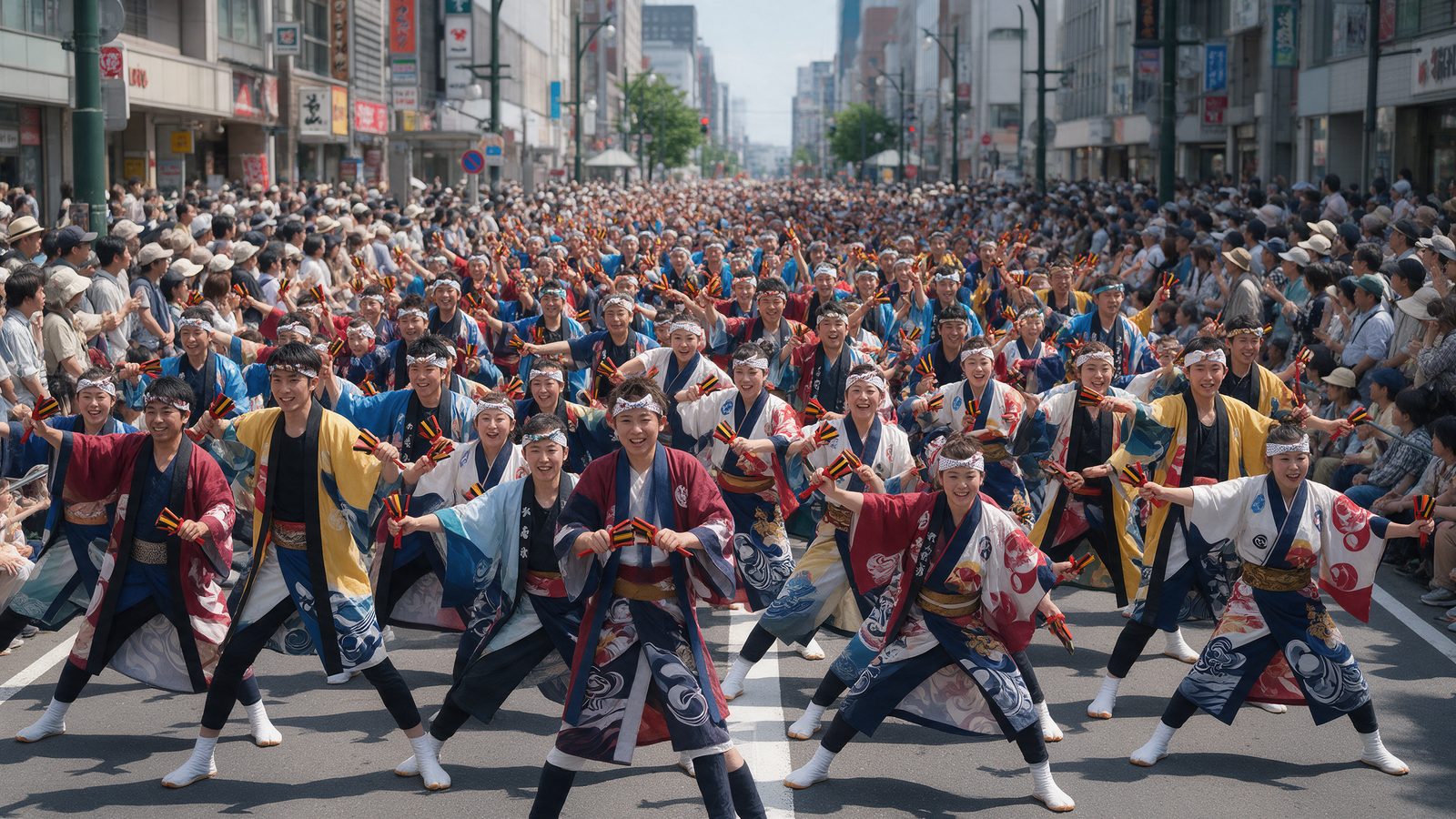
YOSAKOI Soran Festival
Every June · early to mid-month · Sapporo, Hokkaido
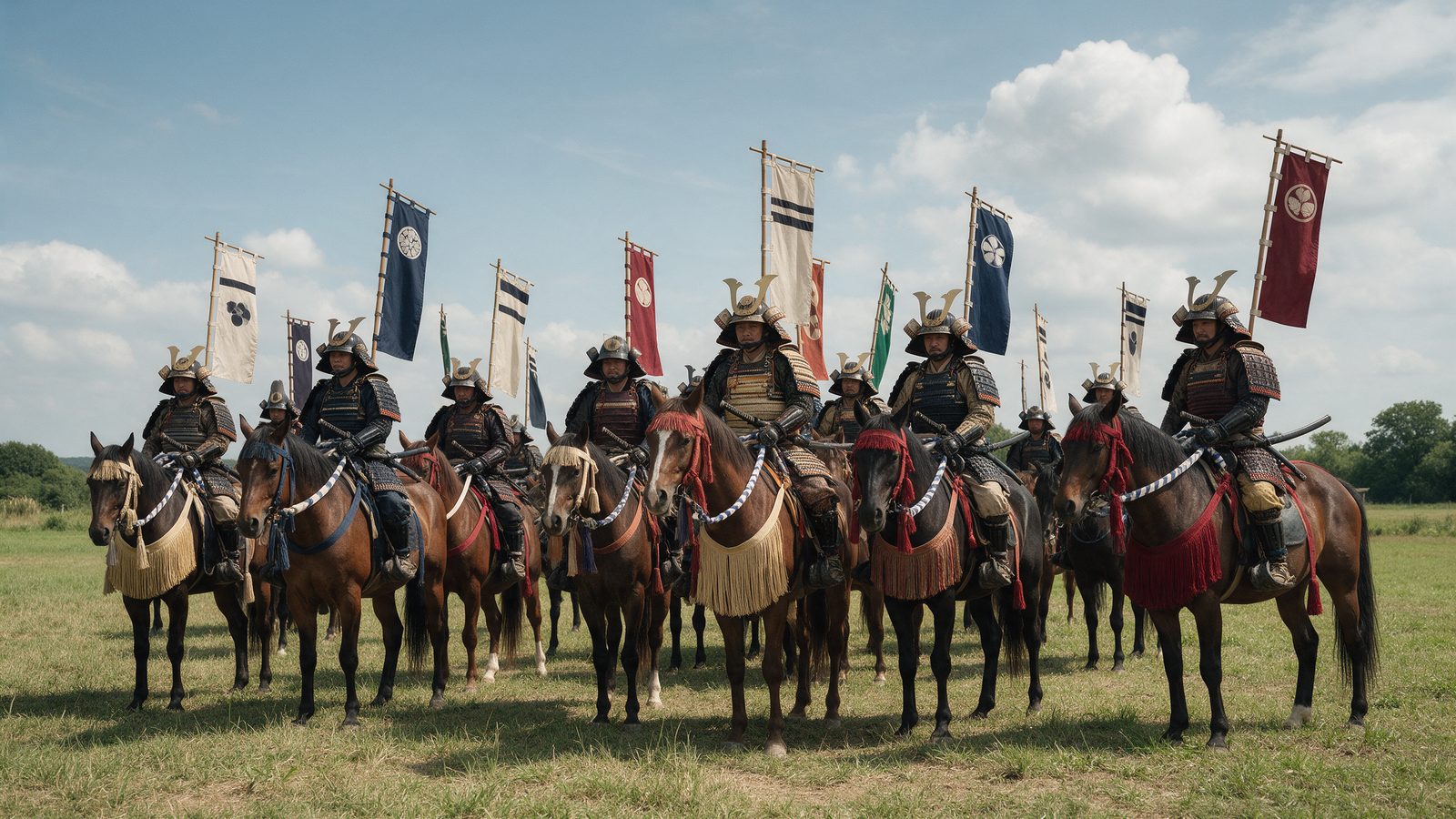
Soma Nomaoi
Annual · warmer months · dates set each year · Soma region, Fukushima
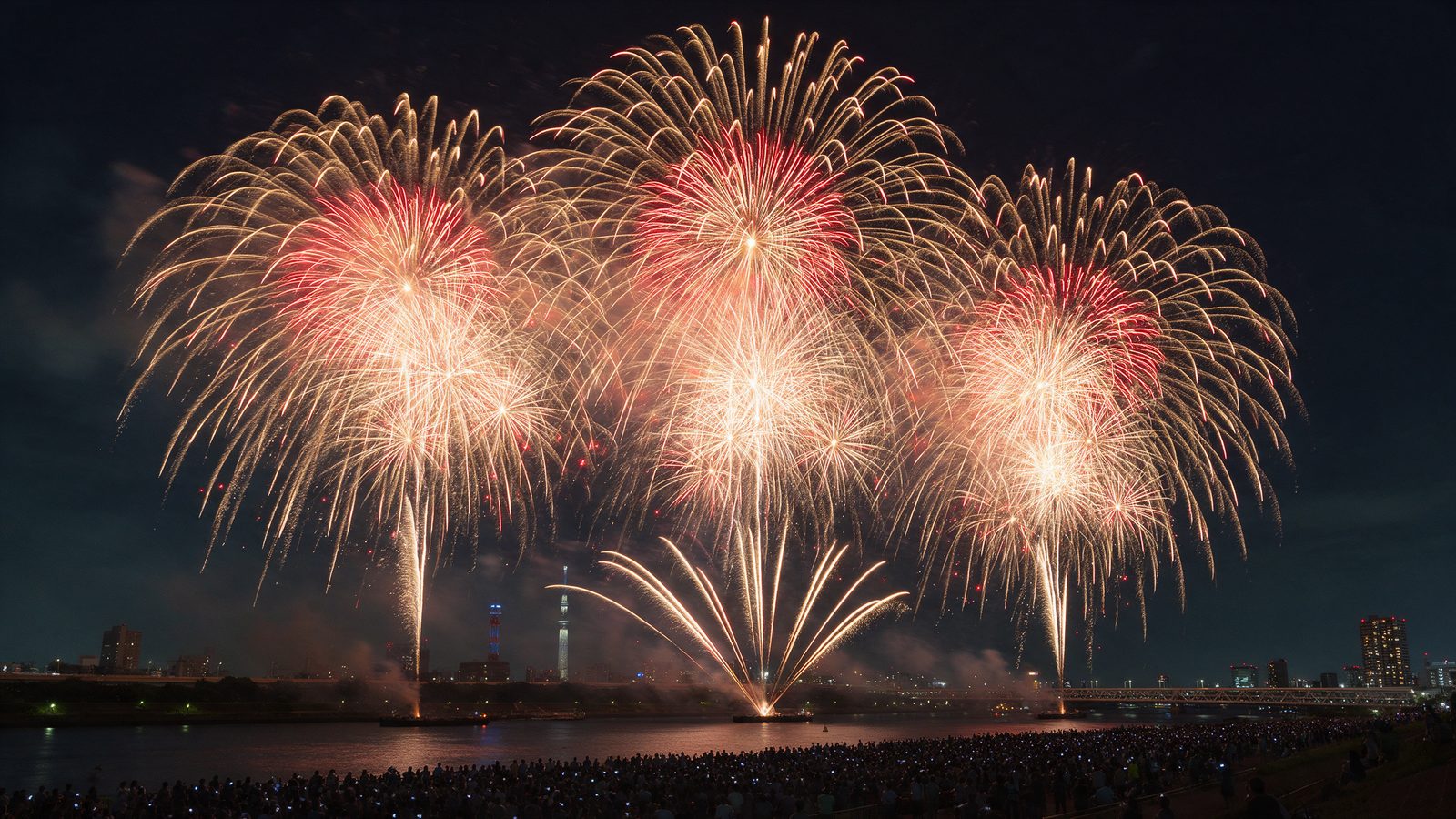
Sumida River Fireworks
Every July · a Saturday late in the month · Sumida River, Tokyo
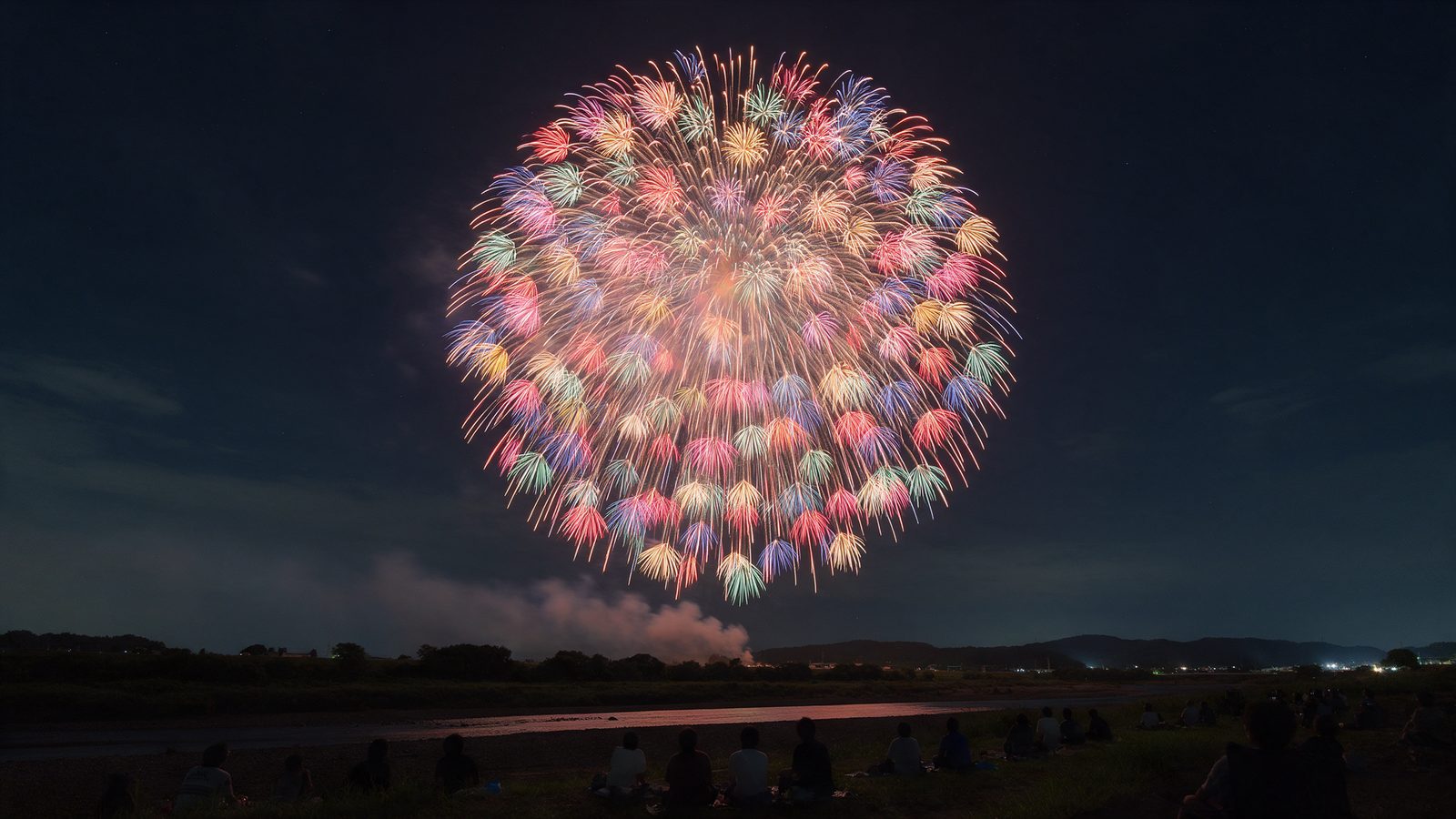
Omagari National Fireworks Competition
Every August · a Saturday late in the month · Daisen, Akita
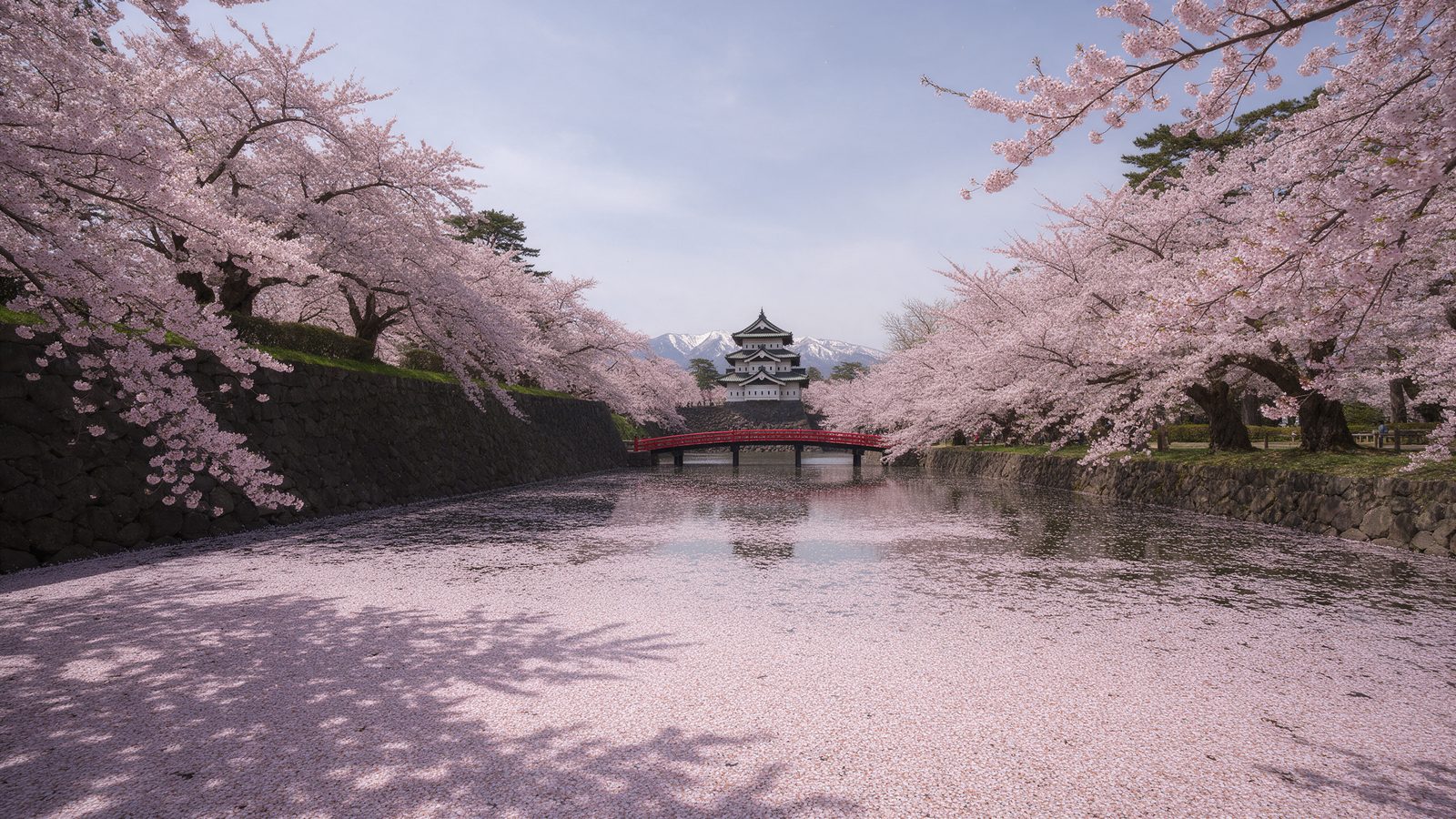
Hirosaki Cherry Blossom Festival
Late April into early May · timing follows the bloom · Hirosaki Park, Aomori
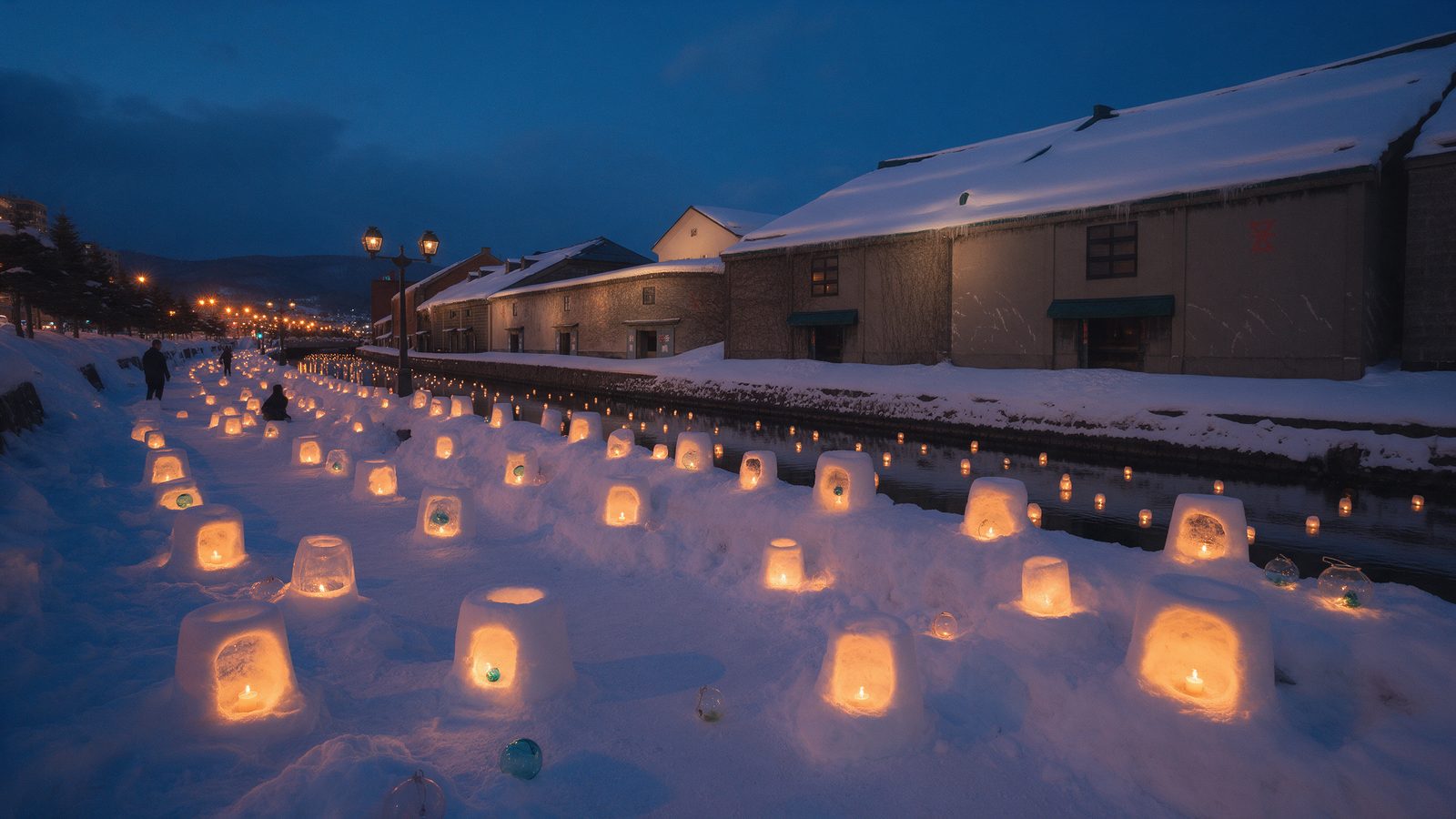
Otaru Snow Light Path
Every February · around ten evenings · Otaru, Hokkaido
Explera DMC Japan is the Japan DMC travel agents trust for Kurama no Hi-matsuri. As a B2B Japan DMC, we contract the hotels, transfers, licensed guides and experiences at net rates - so you sell Kurama no Hi-matsuri with one accountable ground partner. Talk to Explera DMC Japan, your Japan DMC, for a net service quotation within 24 hours.
Start quoting Japan at net rates this week.
Join 340+ agencies who trust Explera with their guests on the ground. Registration is free and approval is fast.